


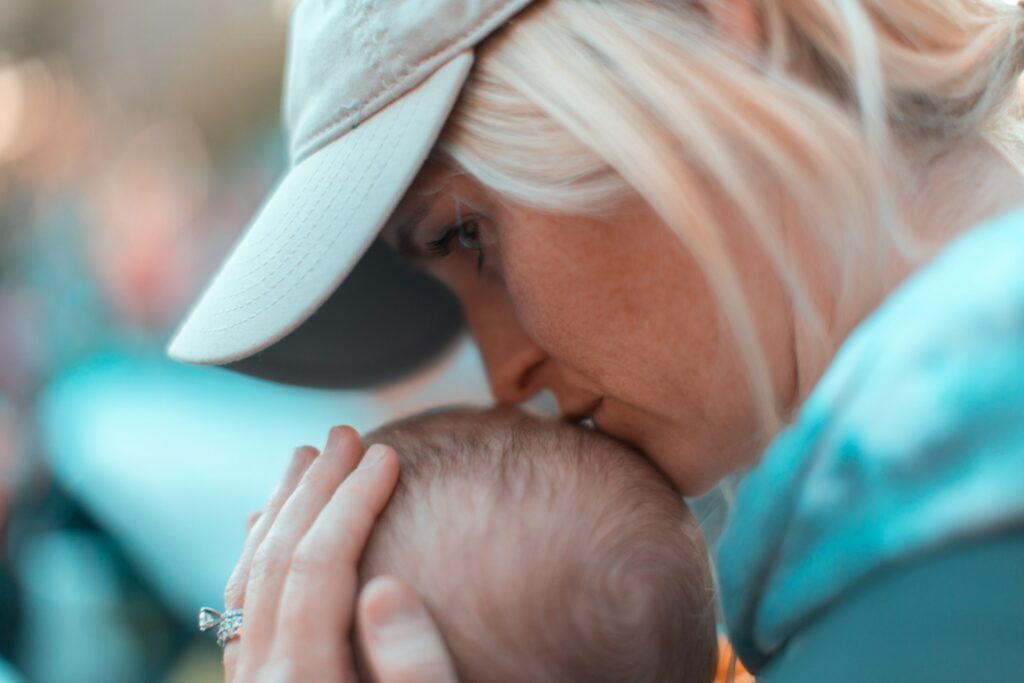
New parents often brace for sleepless nights and endless laundry, but they are less prepared for the emotional tug-of-war that can erupt when a grandparent assumes they are entitled to solo time with the baby. The clash is not usually about love, it is about boundaries, control, and whose instincts get to set the daily rhythm of a very small human. When a grandmother treats “alone time” as a standing right instead of a privilege, parents are forced to decide how firmly they will defend their own role.
That decision is not just about keeping the peace at Sunday dinner. It shapes how secure the baby feels, how confident the parents become, and whether the extended family learns to function as a team instead of rival camps. Saying no to unscheduled drop-ins or unapproved outings can feel harsh, but it is often the only way to protect both the child’s needs and the parents’ authority.
Why Grandma’s Expectations Collide With New Parent Reality

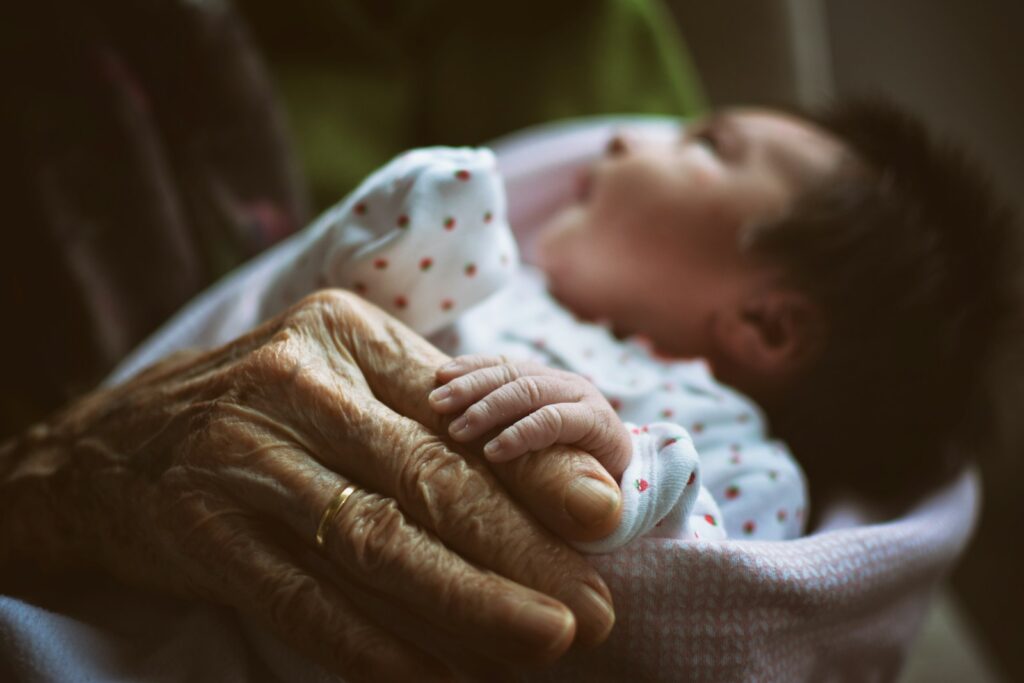
Researchers have long noted that the arrival of a new child can deepen affection between generations while also stirring up old tensions. One study of heterosexual mothers and LBQ daughters found that, However loving the relationship, a baby often becomes the flashpoint where different ideas about caregiving collide. A grandmother who once saw herself as the family’s emotional anchor may suddenly feel sidelined, and “alone time” with the baby can start to look like a way to reclaim status as the expert in the room. For new parents, that same request can feel like a challenge to their judgment, especially when it is framed as “I raised you, I know what I am doing.”
Those competing expectations show up in very practical ways. Guides on family conflict list “Parents feel like grandpa or grandma is overstepping” as one of the most common flashpoints, with grandparents ignoring nap schedules, introducing off-limits foods, or dismissing safety rules as overprotective. When Conflict centers on unsupervised visits, the stakes feel even higher, because parents are not just negotiating tone or advice, they are deciding who gets to make real-time calls about the baby’s care. The grandmother may see a quick solo trip to the park as harmless bonding, while the parents see a pattern of decisions made without their consent.
What Healthy Grandparent Involvement Actually Looks Like
Healthy involvement starts with grandparents recognizing that they are important, but they are not the decision makers. Child psychologist Child specialist Michael Carr Gregg, who wrote a guide for modern grandparents, argues that the role works best when older generations follow what he calls a “code.” That code includes respecting the parents’ rules, avoiding criticism in front of the child, and remembering that access to grandchildren is not a reward for good behavior but a relationship built on trust. When a grandmother insists on unsupervised time as a condition of her involvement, she is effectively putting her own needs ahead of that trust.
For parents, clarity is kinder than resentment. Instead of vague objections, it helps to spell out what solo time will look like in the first year: perhaps short visits in the home while the baby naps, then longer stints as the child grows and everyone is comfortable. Resources on What makes a good infant schedule emphasize that any plan for time away from primary caregivers should prioritize developmental needs, not adult convenience. The same principle applies within intact families. If the baby is still feeding every two hours or struggling with sleep, parents are on solid ground limiting outings and overnights, even if that disappoints a very eager grandmother.
The Baby’s Needs Come Before Anyone’s Feelings
Underneath the adult power struggle is a baby who is still learning that the world is safe. Early childhood experts describe separation anxiety as a normal stage, not a sign that parents are “spoiling” the child. Guidance on Creating supportive goodbyes stresses that toddlers cope best when caregivers work as partners, using predictable routines and gradual transitions. If a grandmother sweeps in and whisks the baby away without warning, or insists that the parents leave despite tears, she is not just crossing a boundary, she is undermining the child’s sense of security.
That is why “alone time on demand” is such a poor fit for early development. Infants and young toddlers depend on consistent cues from their primary caregivers to regulate sleep, feeding, and stress. Legal and clinical guides on Difference Between Infant care and older child schedules point out that long separations from the main caregiver can be overwhelming in the first year, and that any shared time plan should be built around the baby’s rhythms. When parents say no to unscheduled solo visits, they are not shutting Grandma out, they are aligning the entire family around what the youngest member can actually handle.
None of this means grandparents should be relegated to the sidelines. It means their access is framed as a relationship, not a right. A grandmother who wants a deep bond with her grandchild will usually get further by asking, “How can I support your routines?” than by insisting, “I get my day with the baby.” When she respects the parents’ boundaries, they are far more likely to relax those boundaries over time, turning carefully supervised visits into the kind of easy, trusted alone time that everyone can feel good about.
More from Decluttering Mom: