


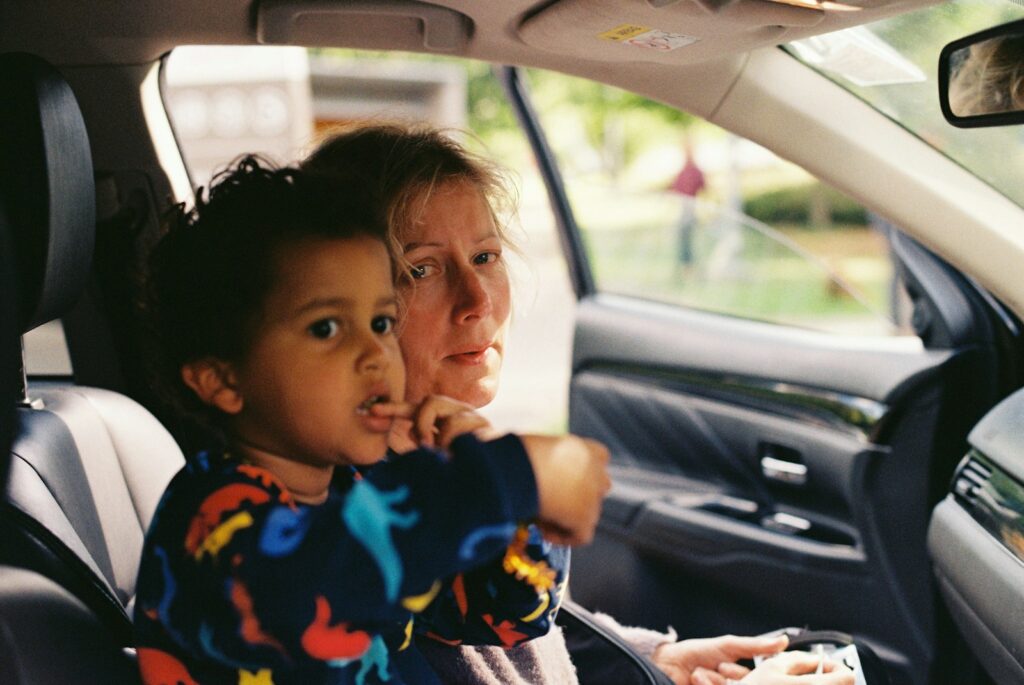
A car seat doesn’t go bad the way milk does, but it does go bad, usually somewhere between six and ten years from the date it was manufactured, not the date it was bought. That distinction matters most for grandparents who pick up a seat to keep in the back of their own car for occasional visits, since a seat pulled from a closet, bought secondhand, or handed down from an older grandchild can already be past its expiration window before it’s ever installed for a new baby. Guidance on car seat safety compiled by NHTSA stresses checking a seat’s history and paperwork before trusting it in a crash. For someone who installs a seat two or three times a year instead of daily, that check is easy to skip and easy to get wrong.

Why the Manufacture Date Is the One That Counts
Car seats typically expire around six years after they’re made, according to a car seat expert affiliated with the American Academy of Pediatrics who spoke to CBS News Boston about the risks of reusing older seats, though the exact window varies by manufacturer and can stretch closer to ten years for some newer models. The plastic shell degrades from years of sun exposure, heat, and cold sitting in a parked car, developing tiny cracks that aren’t always visible. Buckles and harness webbing wear down from repeated buckling and unbuckling. On top of the physical wear, safety standards keep evolving, so a decade-old seat may simply lack protections that are now considered standard. None of that shows up by looking at a seat that otherwise seems fine.
What NHTSA Says to Check Before a Grandchild Gets In
NHTSA’s own guidance for evaluating a used or hand-me-down car seat lays out a short list worth running through every time: confirm the seat has never been in a moderate or severe crash, check the label for the manufacture date and model number so it can be looked up against recalls, verify there are no open recalls on that model, make sure all the original parts are present, and keep the instruction manual on hand or order a replacement copy from the manufacturer. That checklist applies just as much to a seat a son or daughter hands over for the guest room as it does to one bought secondhand at a yard sale.
Register the Seat, Even If You Didn’t Buy It New
NHTSA also encourages registering every car seat directly with the manufacturer so the owner gets notified automatically if a recall comes out later. That step is the one grandparents are most likely to skip, precisely because they often aren’t the ones who originally purchased the seat. A seat that gets used only on weekends and holidays can sit unregistered and untracked for years, quietly falling out of date without anyone noticing until it’s needed. About three in four car seats nationally are used or installed incorrectly in some way, according to Safe Kids Worldwide data cited in the same CBS News Boston reporting, and an expired or unregistered seat is part of what drives that number up.
A Seat in the Garage Ages Even When It Isn’t Used
There’s a quiet irony in the seats grandparents keep specifically so they don’t have to move a car seat between vehicles every visit: those seats often see the least actual use but experience the same calendar-based aging as a seat that rides to daycare five days a week. Sitting in a hot garage or a sun-baked trunk for months at a time can accelerate the plastic breakdown that expiration dates are meant to account for. Checking the sticker on the bottom or back of the seat, the same way you’d check a smoke detector battery, takes less time than buckling a toddler in.
There’s also a simpler fix that skips the guesswork entirely. NHTSA’s own equipment guidance points people toward free car seat inspection services, typically staffed by certified child passenger safety technicians at fire stations, police departments, or local health departments, where someone will check both the installation and the condition of the seat itself. A grandparent who isn’t confident reading a manufacture-date sticker or navigating a recall lookup can hand the whole question to a technician in about fifteen minutes rather than guessing. For a seat that only comes out a handful of times a year, that one visit is worth more than any amount of squinting at a label in a driveway.
The seat that only comes out for a Saturday visit ages exactly like the one used every school morning, and the date printed on the bottom doesn’t care how often it’s been used.