

You want a lush lawn that survives high summer heat, but mowing too short sabotages that goal. Cutting grass down removes leaf area needed for photosynthesis, reduces root depth, and leaves cool-season and warm-season grasses more vulnerable to heat stress, weeds, and disease. Keep your mower higher during hot months to preserve moisture, encourage deeper roots, and prevent the common summer decline caused by scalping.
This post explains why cutting grass too short harms summer lawns and gives practical, easy-to-apply mowing habits that fit both cool-season and warm-season grasses. You’ll learn how simple changes in height and frequency keep your lawn healthier through heat, drought, and pest pressure.

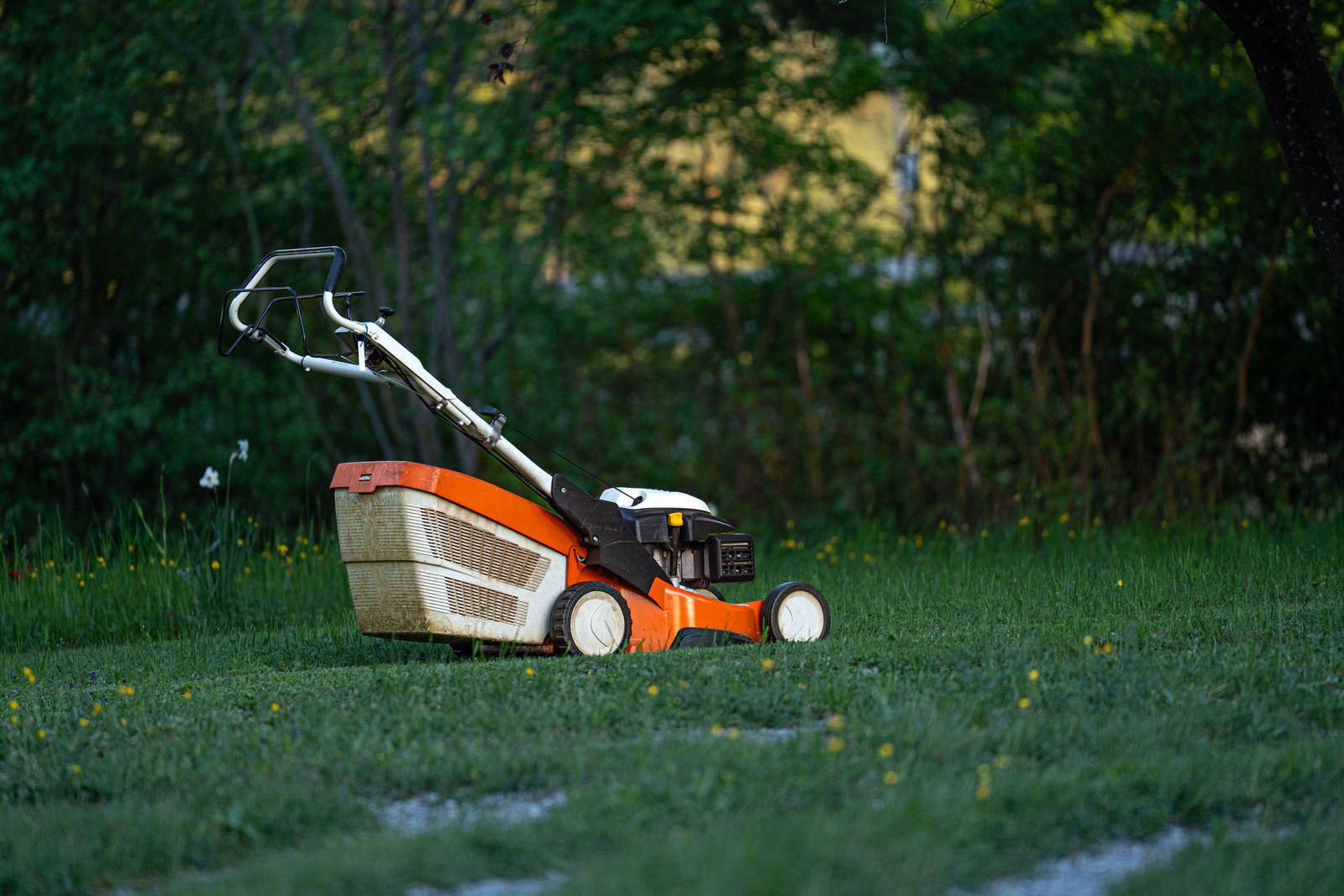
Why Cutting Grass Too Short Harms Summer Lawns
Short grass reduces shade over soil, exposes crowns and roots to higher temperatures, and weakens plants so weeds, pests, and disease take hold. Keeping the blade length within recommended mowing height preserves moisture, root depth, and the lawn’s ability to recover from heat stress.
Effects on Root Depth and Moisture Retention
When you cut grass too short you remove leaf area that fuels root growth. Less photosynthesis means the plant draws on stored carbohydrates instead of building deep roots, so your lawn develops a shallower root system that drinks from only the top few inches of soil.
Shallow roots struggle during heat and drought because soil near the surface dries fastest. That raises soil temperature and forces you to water more often. If you follow a one-third rule—never cutting more than one-third of blade length—you protect root depth; for most lawns that means a recommended mowing height of about 3 to 3½ inches for cool-season grasses and roughly 2 to 3 inches for many warm-season grasses.
Scalping, Weeds, and Lawn Disease
Scalping happens when you mow so low that the grass crown gets nicked or exposed. When you scalp your lawn, crowns and growing points weaken and bare patches appear. Those thin spots let sunlight reach soil, creating ideal conditions for weed seeds to germinate.
Weeds like crabgrass and chickweed exploit the opened canopy. Damaged crowns also invite disease organisms and insect pests, increasing your lawn-care workload. To avoid scalping, raise the deck height on rolling mows and trim less frequently during heat — letting grass stay a bit taller shields crowns and suppresses weed establishment.
Photosynthesis Limitations and Heat Stress
Grass blades are the plant’s solar panels. Cutting too much leaf area lowers photosynthesis, so your lawn can’t produce enough sugars to maintain roots and repair heat damage. Under high soil temperatures, this energy shortage accelerates decline.
Taller grass shades the soil, reducing soil temperature and evaporation. That cooling effect helps cool-season grasses endure late-spring heat and keeps warm-season grasses from burning out during midsummer. Maintaining recommended mowing heights and using mulching mowers to return clippings helps preserve photosynthetic leaf area and conserve moisture during hot spells.
Best Practices for Healthy Summer Mowing
Mow so your lawn shades soil, avoids scalping, and keeps clippings small enough to break down. Maintain sharp blades, set the correct height for your grass type, and decide whether to mulch or remove clippings based on turf density.
Following the One-Third Rule
Cut no more than one-third of the grass blade length in a single mowing. If your tall fescue is 3 inches tall, remove at most 1 inch; for Kentucky bluegrass at 2.5 inches, cut no more than ~0.8 inch. Cutting deeper than this stresses roots, reduces drought resistance, and invites weeds.
Check blade height before you start by measuring from soil to tip at several spots. Adjust the mower deck rather than making multiple passes at the same height. Sharp blades give clean cuts; dull blades tear tissue, increasing water loss and disease risk.
Mow more frequently in fast growth to keep each pass within the one-third rule. When growth slows in hot, dry spells, raise the deck instead of reducing frequency.
Recommended Mowing Heights for Common Grasses
Set your mower to these general targets for summer resilience: Kentucky bluegrass 2.5–3.5 inches, tall fescue 3–4 inches, fine fescue 2.5–3.5 inches, perennial ryegrass 2.5–3 inches. Slightly higher heights improve shade over soil and encourage deeper roots.
Warm-season peaks and cool-season dormancy matter. For cool-season mixes, err toward the upper end (3–4 inches) during July heat. Perennial ryegrass prefers slightly lower but don’t drop below 2.5 inches in summer unless rainfall is abundant.
Use a height gauge or measure wheel to confirm settings. If you have mixed species, set to the tallest recommended height for the mix to protect the most sensitive grass.
Handling Grass Clippings and Mulching
Mulch with a mulching mower or mulching insert keeps clippings on the lawn to return nutrients: nitrogen, phosphorus, and potassium. When you follow the one-third rule, clippings are short and decompose quickly, feeding turf and reducing bagging time.
Remove clippings only if they clump and smother turf after a wet mow. Bagging can remove nutrients and increase fertilizer needs. If your lawn has heavy thatch (>0.5 inch) or disease, collect clippings and address the underlying thatch problem first.
Spread clippings evenly by mowing dry grass and using overlapping passes. If you prefer compost, combine clippings with brown material and compost before returning them to beds.
Adjusting Watering Schedule and Summer Care
Water deeply and infrequently to encourage roots: aim for 0.75–1 inch per week in cooler summer conditions and up to 1–1.25 inches in extreme heat. Water early morning (4–9 a.m.) to reduce evaporation and fungal risk.
Adjust irrigation after mowing: wait a few hours so cut blades dry to avoid compaction and disease. If you raise mowing height during drought, reduce watering frequency but keep depth steady.
Monitor soil moisture with a probe or screwdriver; irrigate when the top 2–3 inches feel dry. Pair proper mowing height and the one-third rule with this watering schedule for the best chance of a healthy summer lawn.