If your grocery bill felt heavier last month, you were not imagining it. The latest consumer price report from the U.S. Bureau of Labor Statistics, covering October and published on November 10, shows food at home rose 0.4% compared with September.
That is the largest monthly rise since April. And the winners and losers inside the cart tell an even more interesting story.
Lettuce Jumps Almost 8% And Fresh Vegetables Climb Over 2%
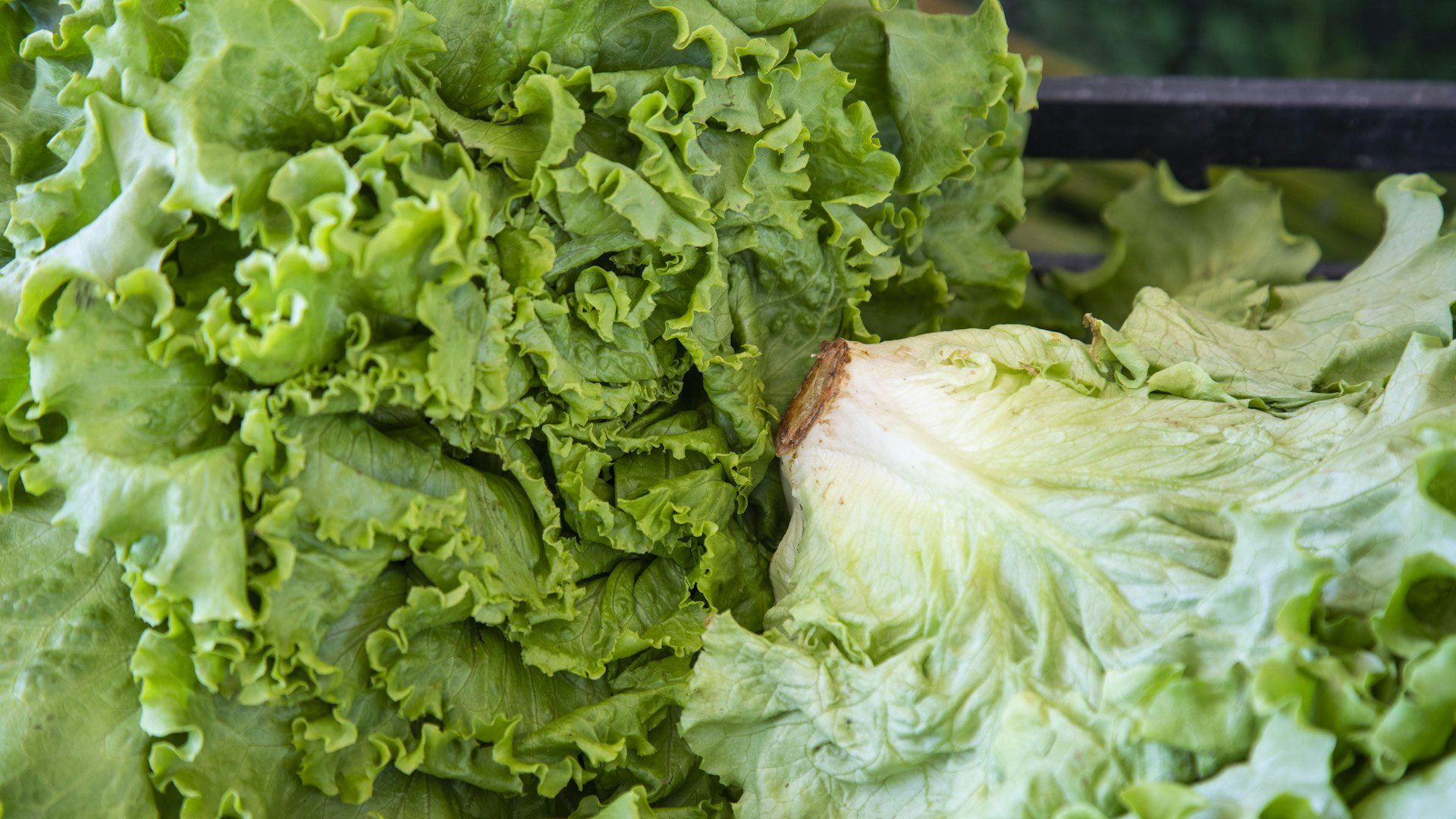
Fresh vegetables were a big driver. The report shows they rose more than 2% in a single month. Tomatoes were up about 2%, potatoes were up nearly 1%, and lettuce was the standout, climbing almost 8%.
That means your salad bowl cost noticeably more in October than it did in September. A head of lettuce is a small purchase, but a nearly 8% jump is the kind of change you notice if you eat salad often.
Beef And Veal Rose Almost 1% While Coffee Dropped About 3.5%
Meat prices also moved higher. According to the report, beef and veal rose almost 1% over the month. For families who count on ground beef or a roast for Sunday dinner, that is another small bump on top of an already crowded grocery receipt.
There was good news for coffee drinkers, though. Coffee fell about 3.5% in October, and apples dropped 1.6%. If your morning cup is non-negotiable, a lower price on the bag is a welcome change.
Why There Is No Yearly Number For October
You may have noticed that news about prices often compares this month with the same month a year ago. This time, that comparison is missing. BLS did not publish a yearly figure for October because it did not collect October 2025 data during last year’s shutdown.
So the clearest picture this month is the jump from September to October, and that is the number worth watching: 0.4% in a single month, the biggest since April.
Stretch Your Grocery Dollars When Produce And Beef Run High
You cannot control the national numbers, but you can control how you shop around them. These are general ideas that work in any month.
- Swap when a price jumps. If lettuce is up almost 8%, consider cabbage, carrots or frozen greens for a few weeks.
- Look at the unit price on the shelf tag. It tells you the cost per ounce or pound, which makes it easy to compare sizes and brands.
- Stretch the beef. Mix in beans, rice, mushrooms or oats in meatloaf, chili and casseroles so a smaller amount of meat feeds the same table.
- Buy frozen vegetables when fresh ones spike. They are picked and frozen at their best and they keep for months.
- Stock up on coffee while it is cheaper, as long as you will use it. Store it in a cool, dry, airtight container.
- Plan meals around what is on sale that week, then write a list and stick to it.
Track Your Own Receipts And Build A Personal Price Book
National averages are helpful, but the prices that matter most are the ones at the stores where you actually shop. A simple notebook can turn those receipts into real power.
Write down the price of the ten or fifteen items you buy most often, such as eggs, milk, bread, ground beef, coffee and your favorite vegetables. Check them every few weeks. Once you know what a normal price looks like for you, a spike or a sale stands out right away.
That habit is how many careful shoppers decide when to stock up and when to wait. If a staple that keeps well drops to a low price, buy a little extra. If something jumps, skip it for a week or two and see whether it settles back down.
It also helps to compare a second store now and then. Prices can differ from one chain to the next, and a ten minute check can save more than a coupon ever will.
Use The Good News And Plan Around The Bad
With coffee down about 3.5% and apples down 1.6%, there is room to treat yourself a little. Apples are a good one to lean on as a fall snack, baked into oatmeal or sliced with peanut butter.
When a staple you buy often jumps in price, a little flexibility does most of the work. Keep your pantry stocked with inexpensive basics such as rice, dried beans, pasta and oats, so one expensive item never forces you to rebuild your whole menu.
The Bottom Line For Your Next Shopping Trip
Food at home rose 0.4% in October, the largest monthly increase since April. Lettuce rose almost 8%, fresh vegetables went up more than 2%, and beef and veal rose almost 1%, while coffee fell about 3.5% and apples fell 1.6%, according to the Bureau of Labor Statistics.
The numbers do not mean every store raised every price. They are national averages, and your local prices can look different. But they give you a useful guide to where to expect a squeeze and where you might find relief. Take a few minutes before your next trip to compare, swap and plan, and your cart will thank you.
More Stories You May Like
- ThredUp CEO Calls Rival Resale Apps Irrational For Spending Up To $500 Million On Marketing And Order Subsidies While Its Own Revenue Rose 7%
- Mom Clears Over Half Of Her Family’s Garage With Four Hours Until The Junk Removal Truck Shows Up, Rescues Buzz Lightyear, And Gets Chased By A Grasshopper
- 32,791 Amazon Dressers Costing About $160 Are Recalled Because They Tip Over Unless Anchored, And A Refund Means Writing RECALLED On Yours