Americans are about to spend $13.1 billion on Halloween this year, a jump from $11.6 billion last year and the highest total the National Retail Federation has ever recorded. That works out to an average of $114.45 per person, also a record, according to NRF’s annual Halloween Consumer Survey conducted with Prosper Insights & Analytics. If you’ve noticed your own Halloween budget creeping up year after year, you’re not imagining it, and you’re definitely not alone. Candy and costumes still take the biggest bites out of that total, but there’s one category quietly stealing the show: decorations, which alone account for $4.2 billion of the spending. That’s not a rounding error. That’s an entire industry built around fog machines, twelve-foot skeletons, and porches that look like they belong in a horror movie set. Let’s dig into what’s actually driving that number, and how you can decorate beautifully without blowing your own budget in the process.
The $4.2 Billion Decorations Slice, Explained
Of the survey’s respondents, 78% said they plan to buy decorations this year, up from 75% the year before, per NRF’s findings. That’s a meaningful shift. It means more than three out of every four Halloween celebrators are now treating decor as a non-negotiable part of the holiday, not an afterthought tacked on after the costume is picked out. To put the dollar figure in context, decorations now rival costumes ($4.3 billion) as one of the single biggest spending categories, well ahead of greeting cards ($0.7 billion) and even edging close to candy ($3.9 billion). Halloween has quietly become a home-decor holiday in its own right, sitting right alongside Christmas in terms of how much thought and money households put into transforming their space.
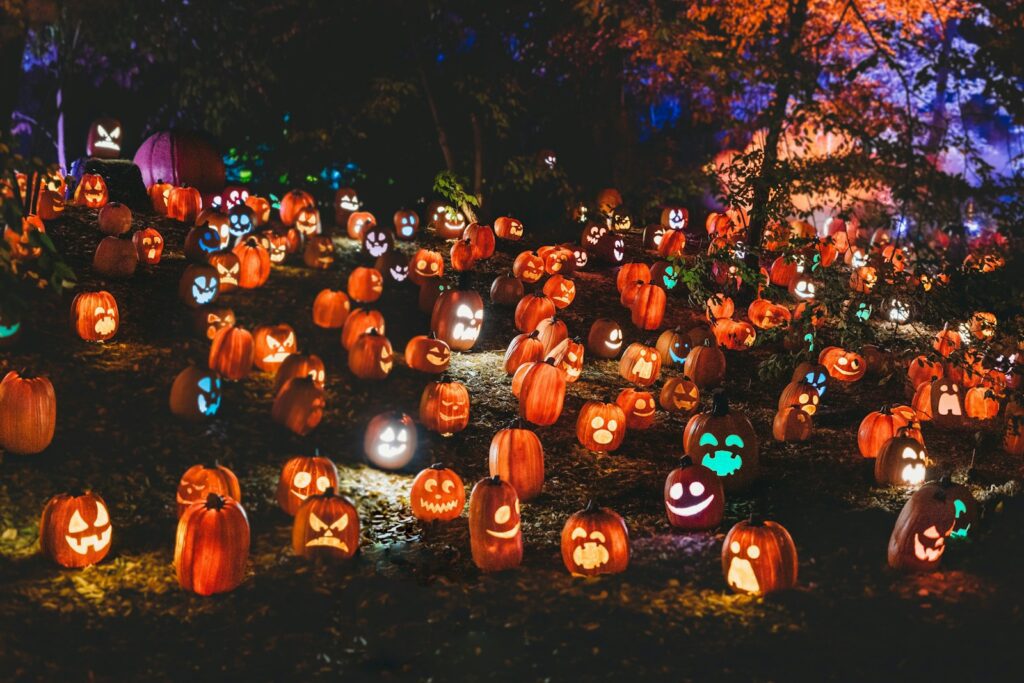
What’s interesting is that this growth isn’t just more people buying a few plastic pumpkins from the drugstore. It’s a sign that decorating has become a genuine creative outlet, one that people plan for, save toward, and often start well before the leaves even turn. NRF found that 49% of shoppers had already begun buying Halloween items by September or earlier, up from 47% the year before. If you’ve felt like Halloween aisles are popping up earlier every summer, that’s the data backing up what your local Target or Home Depot has already figured out.
Why Home Halloween Has Become Such a Big Deal
A few forces are converging to push that decorations number higher every year, and none of them are going away anytime soon. The first is scale. Retailers have leaned hard into elaborate, animatronic pieces, think oversized skeletons with glowing LED eyes, motion-activated witches, and fog effects that used to be reserved for theme parks. According to market research from IMARC Group, demand for “oversized props, animatronic characters, and thematic lighting” has become a defining growth driver in the decorations category, with suburban front lawns, porches, and driveways increasingly repurposed as full thematic displays.
The second force is social. That same research points to the role of photo-and-video culture in pushing households to go bigger: front-yard Halloween setups have become the kind of thing neighbors compete over and share online, turning what used to be a bag of plastic cobwebs into a full seasonal production. Some neighborhoods now hold informal decorating competitions, which, if you’ve ever driven through a cul-de-sac in late October, checks out completely.
The third piece is cultural. Halloween decorating has stopped being just for people with kids trick-or-treating. It has become a household ritual on par with hanging string lights at Christmas, a way to mark the season, express a little creativity, and make your home feel festive for the weeks leading up to the actual night. That shift in mindset, from “quick and cheap” to “worth doing well,” is a big part of why the average per-person Halloween spend keeps climbing year over year, up roughly $11 from the previous record set two years ago, per NRF.
How to Decorate Beautifully Without Overspending
None of this means you need to compete with the twelve-foot skeleton down the street to have a great-looking Halloween display. A few smart habits can keep your decor budget in check while still giving you that magazine-porch moment you’re going for.
Start by shopping the sweet spot. Since the survey shows a huge share of shoppers already starting before September, the earliest arrivals often pay full price for the newest, most hyped pieces. If you can hold off until mid-to-late September, you’ll usually catch better selection without the launch-week premium, and if you’re willing to shop the week after Halloween for next year’s stash, clearance pricing on decor can run 50 to 75% off.
Invest in a few statement pieces rather than a cart full of small ones. One well-made animatronic prop or a beautiful set of pathway lanterns will do more visual heavy lifting, and last longer in storage, than a dozen dollar-bin items that end up in a landfill by November. Think of it the way you’d think about furniture: buy the anchor piece well, then fill in around it with cheaper accents like mums, hay bales, and string lights you may already own.
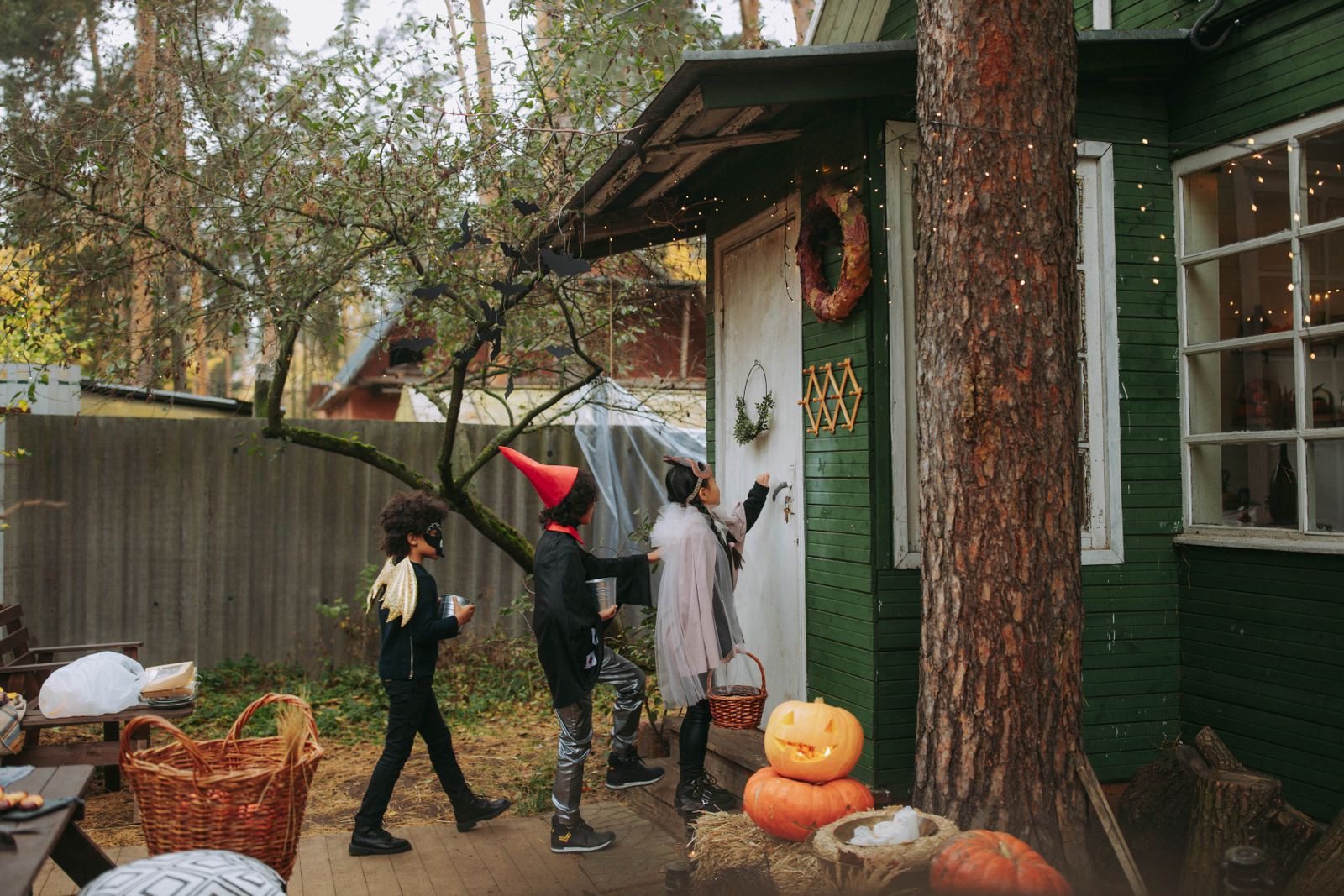
Lean into what you already have. Natural elements, pumpkins, gourds, cornstalks, dried leaves, cost far less than manufactured decor and photograph just as beautifully, especially layered with a few lights or lanterns. And if you love the DIY route, you’re in good company; broader home-décor research cited by IMARC found that a majority of consumers intend to complete a do-it-yourself project this year, and Halloween decor is one of the most forgiving, low-stakes categories to practice on. A painted pumpkin or a homemade wreath can look every bit as intentional as something from a big-box display.
Finally, set your number before you shop. With the national per-person average now sitting at $114.45 across candy, costumes, and decor combined, it’s worth deciding ahead of time roughly what share of that you want going toward decorations specifically, then sticking to a list. It’s the single easiest way to enjoy the fun of the holiday without that slightly sheepish feeling when the credit card statement shows up in November.
The Bigger Picture
What this record $13.1 billion really tells us is that Halloween has grown up. It’s no longer just a kids’ holiday marked by a costume and a bowl of candy by the door; it’s become a full seasonal expression of home and creativity, one families and neighborhoods look forward to shaping together. The $4.2 billion going toward decorations specifically is proof that people want their homes to feel like part of the celebration, not just the backdrop to it. Whether your style is a single glowing pumpkin on the steps or a full animatronic graveyard, the fact that you’re showing up and making it your own is exactly what’s driving this whole trend in the first place.