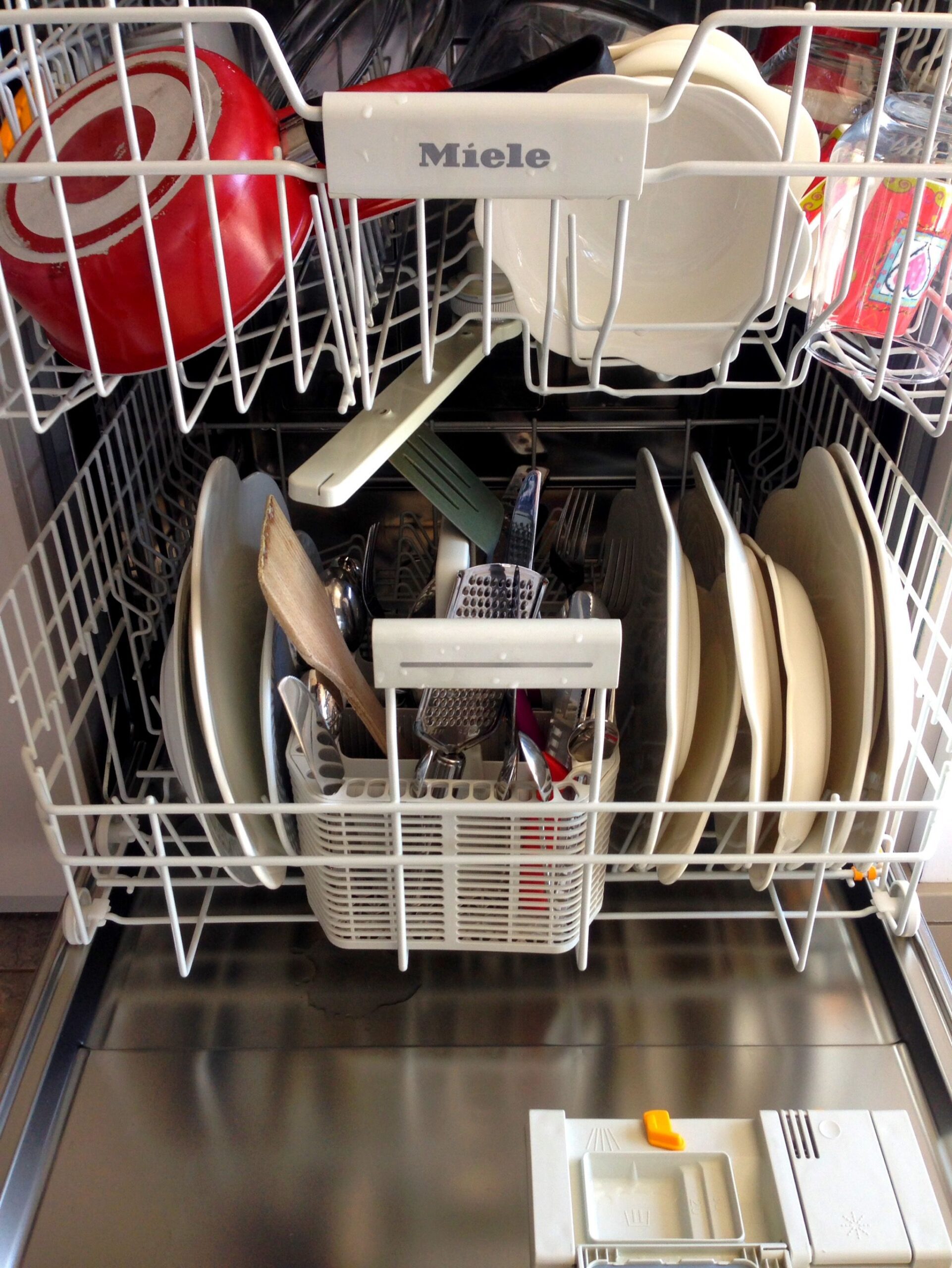
If you’ve spent years feeling a little virtuous skipping the dishwasher to scrub pots by hand, here’s the number that changes the story: a modern ENERGY STAR-certified dishwasher uses about 3.2 gallons of water per cycle, and industry estimates put newer efficient models at 3.5 gallons or less. A standard kitchen faucet, meanwhile, pushes out somewhere between 1.5 and 2 gallons every single minute it runs. Do that math for even a few minutes of scrubbing a sink full of breakfast dishes with the water running, and you’ve quietly used more than the machine would have used for the whole load. This isn’t a guilt trip about wastefulness. It’s just physics catching up with an assumption a lot of us grew up with, back when “dishwasher” meant a loud old appliance that guzzled 10 to 15 gallons and left everything spotted. That old machine deserved the side-eye. The one in your kitchen now probably doesn’t.
The Numbers That Flip the Script
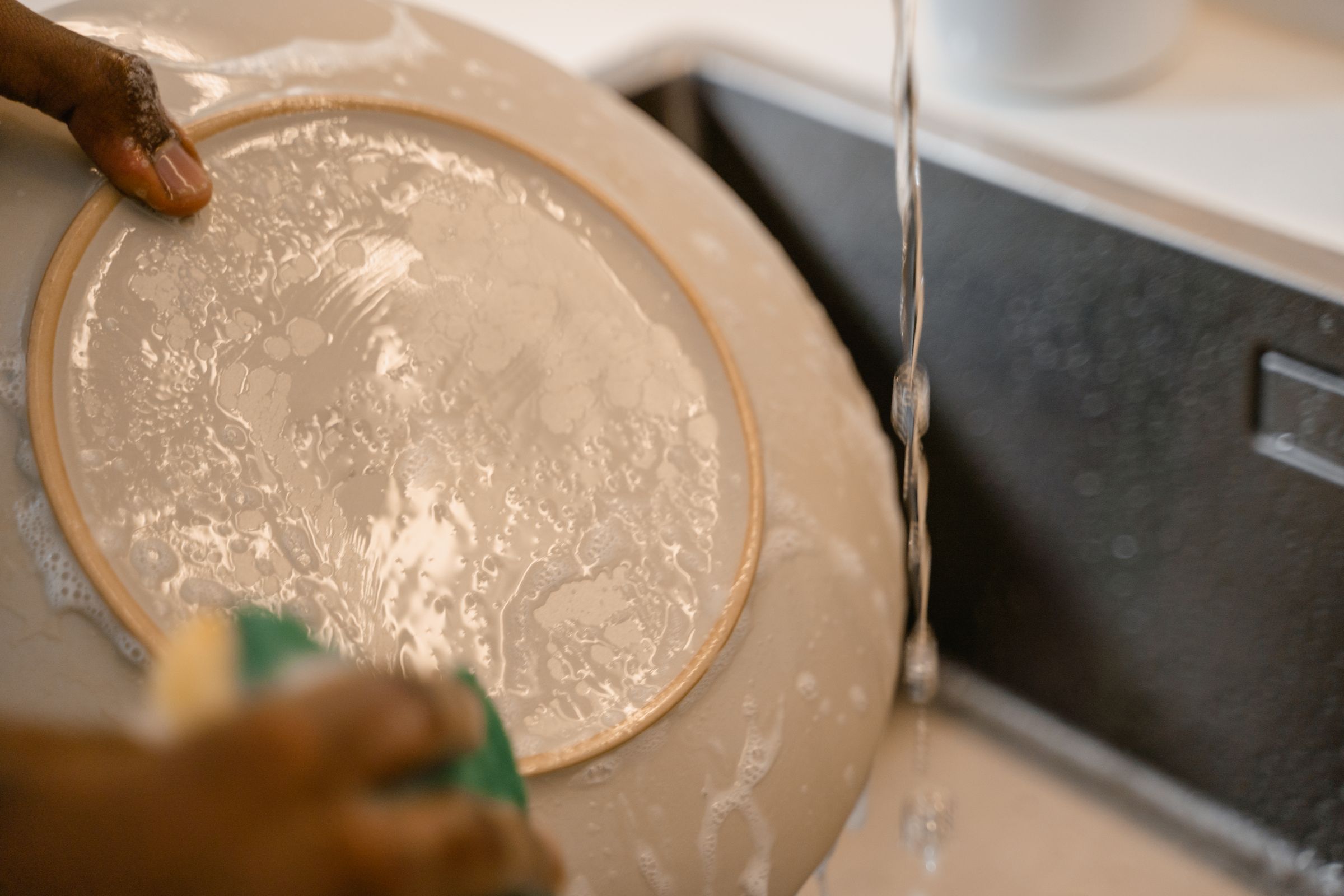
Here’s what’s actually happening when you fill a basin, run the tap, and start scrubbing. Older dishwashers, the kind many of us used growing up or that still show up in older rental kitchens, used roughly 10 gallons per load, and some estimates put pre-efficiency models as high as 10 to 15 gallons. That reputation stuck, and understandably so. But an ENERGY STAR-certified dishwasher today has to meet a hard water-use ceiling to earn that label, capped at 3.2 gallons per cycle for a standard-size machine, and compact models have to come in even lower. Compare that to a faucet running at 1.5 to 2 gallons a minute, and you only need about two minutes of continuous water flow to match what the dishwasher used for the entire load, suds, spray arms, and all. Most people don’t scrub a full sink of dishes in two minutes. They scrub for five, eight, sometimes ten, especially with a stuck-on casserole dish in the mix, and the tap is often running the whole time. One breakdown of the comparison found that hand-washing a full load can land anywhere from 9 to 27 gallons, meaning an efficient dishwasher can save upward of 23 gallons per load compared to washing the same dishes by hand under a running tap.
Why We Believe the Opposite
The instinct that hand-washing is the frugal choice isn’t irrational, it’s just outdated. For most of the twentieth century, that instinct was correct. Dishwashers really were water hogs, and turning the tap on and off yourself, watching the water go down the drain in real time, felt more controlled and more conservative than trusting a machine you couldn’t see inside. There’s also something psychological at work: a running faucet doesn’t feel like it’s using much, because you’re not watching a number climb the way you might watch a gas pump. Water moving past your hands just feels like less than it is. Add in the genuinely wasteful habit of rinsing every plate under the tap before it even goes in the dishwasher, a step ENERGY STAR specifically flags as unnecessary and water-costly, and you can see how the myth stuck around long after the technology moved past it.
The Real Cutoff: When Hand-Washing Actually Wins
None of this means hand-washing is a lost cause, and this is the part that matters most if you don’t own a dishwasher, or you’ve got a handful of dishes that don’t justify running one. The entire equation changes the moment you stop letting the tap run continuously. Both the EPA’s WaterSense program and regional water utilities recommend the same fix: plug the sink or use a wash basin, fill it once with soapy water, and only turn the faucet on to rinse. The Regional Water Providers Consortium, a coalition of Pacific Northwest water utilities, puts a real number on the alternative: rinsing dishes under a continuously running tap can waste roughly 2.5 gallons every minute you’re not actively using that water, which is exactly the habit that quietly triples or quadruples your water use without you noticing. Fill a basin instead, and you’re typically looking at somewhere in the range of 2 to 4 gallons for the wash water, plus a quick, controlled rinse rather than a slow trickle running the entire time you scrub. That lands you in roughly the same ballpark as an efficient dishwasher, sometimes even a bit under it, especially for a small load like a couple of plates, a pan, and some cutlery that wouldn’t fill a dishwasher rack anyway.
How to Make Hand-Washing Actually Efficient
So the cutoff isn’t hand-washing versus machine-washing as a category, it’s continuous running water versus contained water. If you already reach for the tap out of habit, a few small adjustments do most of the work for you. Scrape food off plates instead of rinsing them, whether you’re washing by hand or loading a dishwasher, since pre-rinsing under the tap is one of the biggest silent water-wasters in either routine. Let stubborn, stuck-on food soak in the basin rather than blasting it with running water to loosen it. Wash everything in one basin fill, then use a second smaller basin or a short, deliberate rinse rather than letting the faucet run the whole time you’re working through the stack. If you catch yourself standing at the sink for a stretch with the water going the entire time, that’s your signal you’ve crossed over into using more, not less, than the dishwasher would have.
Which One Should You Actually Reach For?
Here’s the honest, no-shame answer: if you’re washing a full load’s worth of dishes, an ENERGY STAR-certified dishwasher is very likely your more water-efficient choice, and it’s not close once you factor in a few minutes of running water. If you’re dealing with a small handful of items, or you don’t have a dishwasher at all, the basin method gets you into genuinely efficient territory too, as long as you keep that tap off while you scrub. Either path is a reasonable one to be proud of. The number worth remembering isn’t “dishwasher good, hand-washing bad” or the reverse, it’s that the difference almost always comes down to whether water is running continuously or being used in a contained, deliberate way. Once you know that, you get to stop guessing at the sink and start choosing on purpose.