

Plenty of teenagers spend senior year worrying about grades and prom. Asa Fletcher spent it getting up early to dig through bins of used clothing. The payoff, by Asa’s own account: about $4,000 a month in sales.

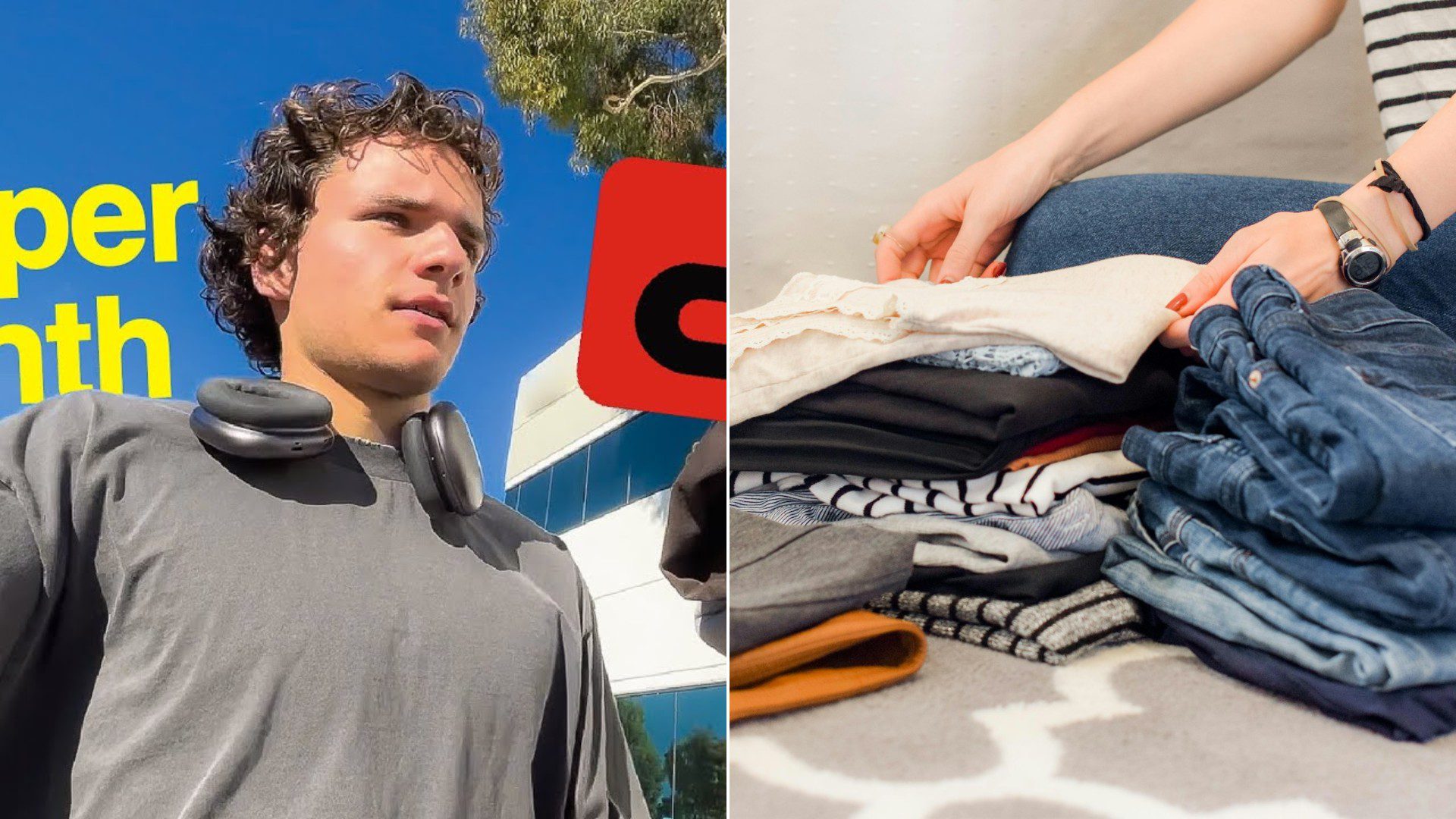
Asa is a high school senior living just outside Los Angeles, and the whole thing started with a move. Back in Virginia, Asa had heard of Goodwill outlets but never had access to one, since the closest was over an hour away. After moving to California, Asa found out there was a warehouse just 15 minutes from home. That, Asa says, is where the money began.

How The Warehouse Works
Asa explains that these warehouses get their stock from donations. People drop off used clothes and hard goods, and Goodwill then charges shoppers by weight at the outlet. Resellers dig through the bins and take what looks promising. For a reseller, that means a lot of sifting, but also the chance to pay very little for something that can sell for much more.
The Learning Curve
It did not start out as a $4,000 month. Asa admits that it is funny looking back now at the things once believed to be valuable. Items that seemed like they would bring good margins turned out to be a bad bet. Asa was, in the creator’s words, totally wrong about some of them.
The fix was time. Asa says it was a matter of putting in the hours and doing the research to learn which items have good margins. Over time Asa could tell what would sell and what would just sit in the closet waiting to be donated again, which is a funny little loop: buy it from the donation warehouse, fail to sell it, and send it right back.
From Under $200 To About $4,000
As sales started coming in, Asa began hitting the bins more often, waking up around 6 a.m. to get there. Before that, sales were little to nothing, just under $200 in February. Asa shows a recent stretch with $360 in sales in the past 24 hours, and then heads to the post office to get the orders shipped out as fast as possible. Customer satisfaction, Asa says, is always the goal, because it leads to more sales.
The best sellers lately have included jeans and jorts, along with some loafers. Overall, Asa says, sales are hitting around the $4,000 range per month, and Asa believes there is room to scale up. That figure is only what was sold while still in school.
One thing worth noting for anyone tempted by that number: Asa is talking about sales, not take home pay. Shipping, supplies and the cost of the clothes all come out of that figure before any profit is counted, and every reseller’s costs will differ.
Is There Still Room To Get In?
Asa thinks so, with a warning. There is still a lot of space for other people to get into reselling, but the warehouses are getting more and more packed, which makes it harder to walk away with really good goods.
Asa also points to another route. A number of friends are doing in-person swap meets, and some are making what Asa calls crazy returns. They pay $2 a garment, then turn around and sell it at a swap meet for $40 or $50. Asa has not been doing that part yet but sees it as another door that is open.
Lessons For Anyone Curious About Reselling
- Start with what is close. Asa’s whole business began with a warehouse 15 minutes away, not a fancy plan.
- Expect to be wrong at first. The early picks that looked like winners were not. Track what actually sells.
- Go often. Sales picked up when Asa started showing up more and getting there early.
- Ship fast. Getting packages to the post office quickly keeps customers happy.
- Know your numbers. Sales are not profit, so keep track of what you spend on stock, shipping and supplies.
- Look at other ways to sell. In person swap meets offered some of Asa’s friends strong returns.
What Parents And Grandparents Can Take From It
This is a nice story for any of us with a teenager at home, or a closet full of clothes we are ready to part with. Selling things online is not just for the young. Many of us have a lifetime of good clothing sitting in dresser drawers, and the same skills apply: look up what similar items are selling for, take clear pictures, describe things honestly, and ship them promptly.
It is also a reminder that the donation system works in a loop. The clothes you drop off at a thrift store may end up in a warehouse bin, and someone like Asa may turn them into a sale. If you would rather get a little something for your items, try selling the best pieces yourself first, and donate the rest.
As for Asa, the plan is more videos on reselling, plus day in the life vlogs through the end of high school, followed by college in New York City. Not a bad side hustle for a teenager who just happened to move 15 minutes from a warehouse.
More Stories You May Like
- She Went From A Four Bedroom House With Three Kids To Owning Only What Fits In Her Subaru, And Shares 12 Ruthless Downsizing Tips
- Declutter a Small Space in Under Ten Minutes with Steps a Stay at Home Mom Uses Every Day
- School Tells a Parent to Stop Making Their Kid Good Lunches Because Other Kids Are Jealous and Parents Are Furious