



You may have trusted your HOA to handle community funds, but recent cases show that officials and outsiders can siphon off large sums without immediate detection. Check your bank accounts now and review recent HOA transactions—prompt action can catch irregularities before they become millions in losses.
They uncovered schemes where boards and hackers moved money through multiple accounts, leaving homeowners shocked and legally stranded. This article will explain how those scams worked and what steps to take to protect your finances and demand accountability.
Million-Dollar Scam Exposed: How HOA Residents Were Targeted

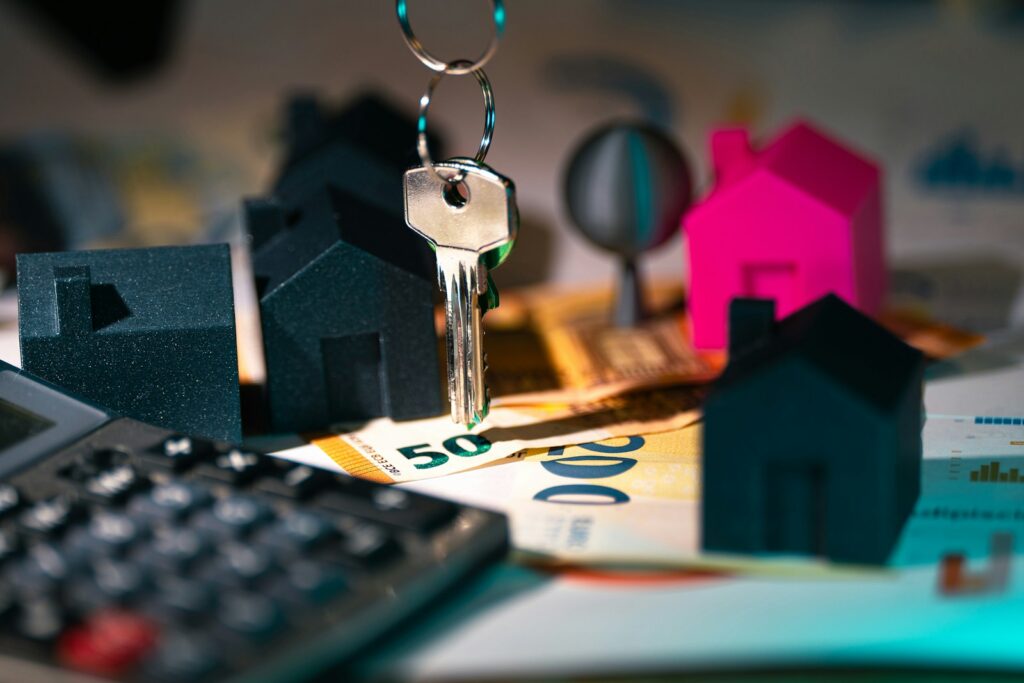
Residents lost insurance payouts, HOA funds, and routine maintenance dollars through forged checks, fake management fees, and diverted relief payments. The fraud relied on weak internal controls, falsified paperwork, and targeted deception that mimicked legitimate HOA communications.
Overview of the Bank Account Fraud Scheme
Investigators say the scheme involved forging signatures on hundreds of checks and creating false management-fee invoices that funneled money into personal accounts. Payments intended for hurricane relief and vendor services were intercepted by altering payee information and endorsing checks without board authorization.
The accused reportedly used the property management company’s banking access and paperwork to approve transactions. Lapses in insurance coverage and incomplete board election records helped mask irregularities for years. In some cases, routine deposits and vendor checks were rerouted; in others, fabricated invoices created the appearance of legitimate expenses.
Key mechanics to note:
- Forged signatures on checks and legal documents.
- Fabricated management fees attached to real disbursements.
- Use of registered business entities to receive diverted funds.
Those tactics allowed large sums — alleged to approach a million dollars — to be moved before homeowners or auditors flagged discrepancies. See coverage of the arrest and allegations at the U.S. Sun report.
Warning Signs of Phishing and Social Engineering Scams
Phishing appeared in email and text requests that mimicked board communications and vendor invoices. Residents and board members reported receiving messages asking to confirm account details or approve transfers, often with urgent language or fake signatures to prompt quick action.
Social engineering targeted individuals with authority over finances, such as treasurers and property managers. Red flags included unexpected requests to change payment instructions, new vendor accounts with minimal documentation, and pressure to bypass normal approval steps. Basic checks often stopped the fraud: verify payment requests by phone using previously known numbers, confirm invoices against contracts, and require two authorized signatures for large disbursements.
Practical controls to watch for:
- Unexpected email changes in vendor payment instructions.
- Requests for wire transfers without supporting invoices.
- Communications with spelling errors, mismatched domain names, or unusual sender addresses.
Addressing these reduces the chance that phishing or impersonation will succeed.
How the Scam Went Undetected in HOA Communities
The scheme persisted because boards often lacked timely reconciliation and independent oversight. Monthly bank statements and vendor contracts went unchecked, and some associations relied heavily on a single manager for financial tasks, creating an internal-control gap.
Board turnover and limited financial literacy among volunteers amplified risk. When a manager controlled check-writing, vendor relationships, and insurance renewals, discrepancies could hide behind routine administrative tasks. Inadequate documentation of elections and meeting minutes also made it harder to trace who authorized payments.
Prevention steps that were overlooked included:
- Regular independent audits or reviews.
- Segregation of duties between invoicing, authorization, and bank reconciliation.
- Requiring original vendor contracts and physical verification for large payouts.
These missing safeguards allowed forged checks and fabricated fees to move through accounts without immediate detection.
What HOA Residents Should Do Next: Protecting Your Money and Account
Residents should immediately secure account access, confirm recent transactions, freeze suspicious payments, and document everything for authorities and their bank. They should also report fraud to agencies that enforce consumer financial protection laws and set up longer‑term controls like dual signatures, regular external reviews, and phishing training for the community.
Immediate Steps to Take If You Suspect Fraud
If a resident notices unexplained withdrawals or unfamiliar payees, they should contact the HOA’s bank and request an immediate freeze or stop payment on suspect transactions. They must gather copies of recent bank statements, transaction histories, and any emailed or printed invoices tied to the questionable items.
Residents should change online banking passwords and enable multi‑factor authentication for accounts that support it. If checks were involved, they should note check numbers and ask the bank to monitor for duplicates or altered checks.
Document every call and email: record dates, names, and ticket or claim numbers. That paper trail speeds investigations and supports fraud claims with the bank and law enforcement.
Reporting Scams and Working with Consumer Protection Agencies
Report the incident to the bank first; then file formal complaints with relevant agencies such as the Consumer Financial Protection Bureau and the state attorney general’s office. These agencies can advise about federal consumer financial protection rules and may open investigations that help reclaim funds.
Residents should also file a police report and provide the bank and agencies with the case number. For suspected phishing, forward the original suspicious emails (with full headers if possible) to the bank’s fraud team and to the FTC’s complaint assistant, and follow any instructions for preserving evidence.
Provide a clear, chronological packet to investigators: bank statements, invoices, emails, and the HOA’s meeting minutes if payments were board‑authorized. That packet helps consumer protection officers spot policy breakdowns and recommend remedies.
Long-Term Actions to Safeguard Your Finances
Adopt dual‑signature requirements for check and ACH approvals and restrict who can initiate payments in the accounting system. Require vendors to submit invoices to a designated email and verify vendor changes by phone using an independently sourced number.
Schedule annual independent financial reviews and monthly reconciliations that all board members receive. Use FDIC‑insured accounts and consider splitting large balances across insured accounts to maximize coverage.
Run regular community training on phishing and social‑engineering tactics so residents and board members recognize red flags. Maintain a written financial control policy and postagation of changes in vendor payment instructions to protect against future scams.
More from Decluttering Mom: