


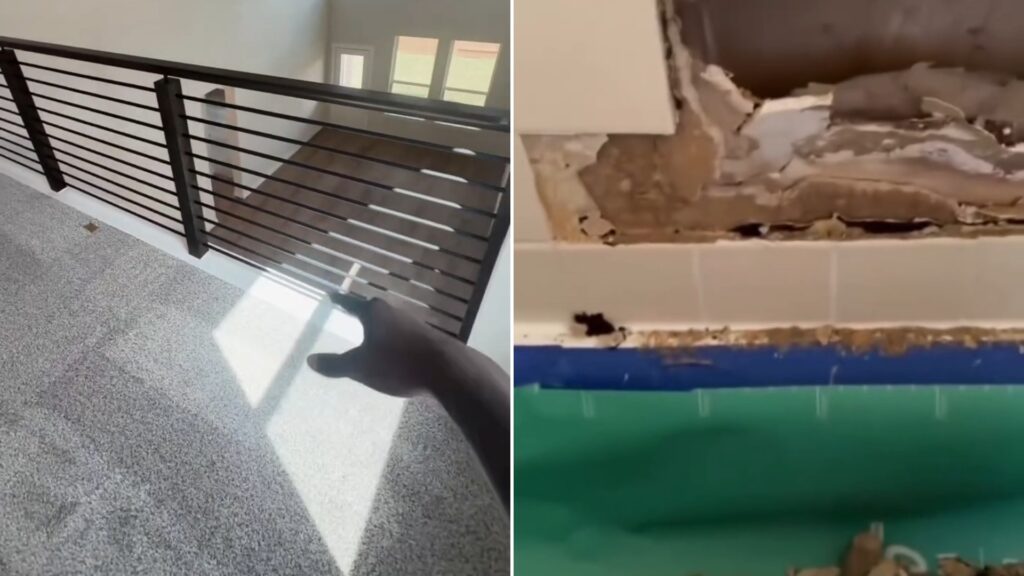
A home inspector’s walkthrough of a brand-new, multi-million-dollar build uncovered critical construction defects that the builder never disclosed before closing day, according to the inspector’s own Instagram reel. The inspector, who has 206,000 followers, documented the issues on camera during the inspection.
Key Points
- The defects were found in a newly built home priced in the multi-million-dollar range, not an older resale property.
- The builder had not disclosed the issues ahead of the scheduled closing.
- The inspection happened close enough to closing day that the findings arrived on a tight timeline for the buyer.
- The inspector’s account, with 206,000 followers, is well established in home-inspection content, which adds weight to the documentation.
Why new construction still needs an independent inspection
New builds carry an assumption of quality that older homes don’t get, largely because everything is unused and presumably built to current code. That assumption is exactly what makes an independent inspection worth the cost: a builder inspecting its own work has no outside check, and defects that pass an internal walkthrough can still be structurally significant. Critical issues, meaning the kind serious enough to flag before closing rather than added to a routine punch list, typically involve something load-bearing, water-related, or otherwise expensive to fix once drywall and finishes are already in place.
What buyers of new construction should do
- Hire an independent, buyer-paid inspector rather than relying solely on the builder’s own final walkthrough.
- Schedule the inspection with enough lead time before closing to negotiate repairs, not the day before signing.
- Ask specifically whether any defects found are cosmetic or structural, since the two categories carry very different urgency.
- Get any agreed-upon repairs in writing, with a follow-up inspection scheduled to confirm the work was actually done before final funds change hands.
Why timing the inspection matters
Builders typically walk a buyer through the home before closing, but that walkthrough is built around cosmetic sign-off: paint touch-ups, appliance function, whether the punch list from the last visit got cleared. It isn’t designed to catch the kind of structural or systems-level problem that requires opening a wall, testing under load, or tracing a plumbing run. That gap is precisely where a paid, independent inspector adds value a builder’s own final check doesn’t, and it’s also why the timing in a case like this, issues surfacing this close to a scheduled closing, puts real pressure on a buyer to decide quickly rather than walk away calmly.
Cases like this one tend to spread because they puncture a specific assumption buyers carry into new-construction deals: that new automatically means sound, and that a builder’s own sign-off is the same thing as an independent one.