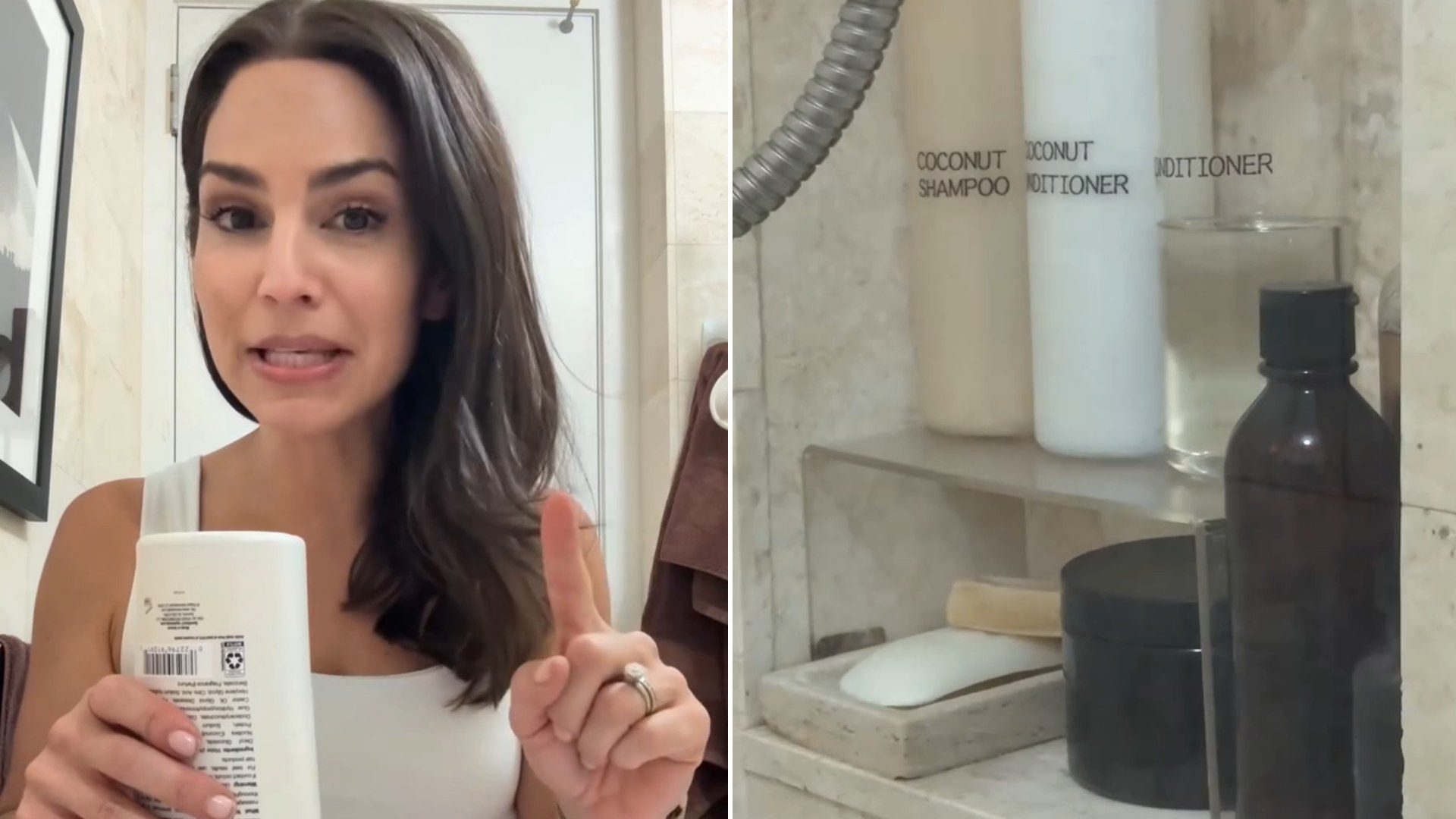
Decanting has become the default answer to a messy pantry or bathroom cabinet, but a home organizer’s recent Instagram reel makes a case most decanting content skips entirely: some of it is genuinely useful, and a lot of it is expensive theater. Her demonstration walks through specific pantry and bathroom categories side by side, showing which ones justify the containers and the labeling and which ones just create a new chore disguised as an aesthetic upgrade.
What’s Actually Worth Decanting
Dry pantry staples that get used constantly and come in bags rather than boxes are the clearest win — flour, rice, sugar, oats and pasta. These items don’t lose meaningful information when they’re transferred, since cooking instructions for rice or pasta are things most people already know by heart, and airtight containers solve a real problem. Lucy Milligan Wahl, founder of the organizing firm LMW Edits, told AOL that decanted food is also more likely to actually get cooked, noting that “we eat with our eyes, and if you find your pantry visually appealing, you’ll be more likely to cook from it.” Cardboard boxes are also a known pest entry point, since eggs can already be present in packaging before it ever reaches a kitchen shelf, which is one of the stronger practical arguments for switching to sealed containers.
What’s a Waste of Time and Money
Anything with a short, variable shelf life or printed information you’ll actually need later is a poor decanting candidate. Items stamped with best-by dates that change from batch to batch, foods bought in small quantities that get replaced before a container is ever worth buying, and products whose packaging carries dosage or usage instructions all lose more than they gain once transferred. Wahl was blunt with AOL about the labor involved, describing the real workflow as washing and drying each canister, opening the original packaging, transferring the contents, labeling the container, placing it, and then discarding the packaging — a five-step process for a single item that most people underestimate before they start.
The Bathroom Version of the Same Mistake
The bathroom has its own version of this problem, and it’s less about the containers themselves than about buying storage before addressing the clutter underneath it. Shira Gill, a minimalist organizing expert, told Livingetc that “the biggest mistake is running out to buy organizing products thinking that they can organize you,” arguing that reducing what’s actually on the counter matters more than finding a prettier way to store it. Products that separate by temperature or humidity, things used only occasionally, or items you’d need to identify quickly by their original label in an emergency are all poor fits for a matching set of jars, regardless of how the finished shelf photographs.
How to Decide Before You Buy a Single Container
A useful filter is frequency and packaging type together. If something is used almost daily, comes in a bag rather than a labeled bottle, and doesn’t carry safety or dosage information, it’s a strong decanting candidate. If it’s used occasionally, has a short or unpredictable shelf life, or has printed instructions you’d actually reference, it’s better left in its original container and simply corralled in a bin or basket instead. Wahl’s assessment of who actually benefits from decanting was equally direct: it works for people who already have a solid shopping routine and are willing to trade time for aesthetics, not for someone hoping a jar will fix a habit problem.
The containers were never really the point. Matching the effort to items you’ll actually maintain is.