


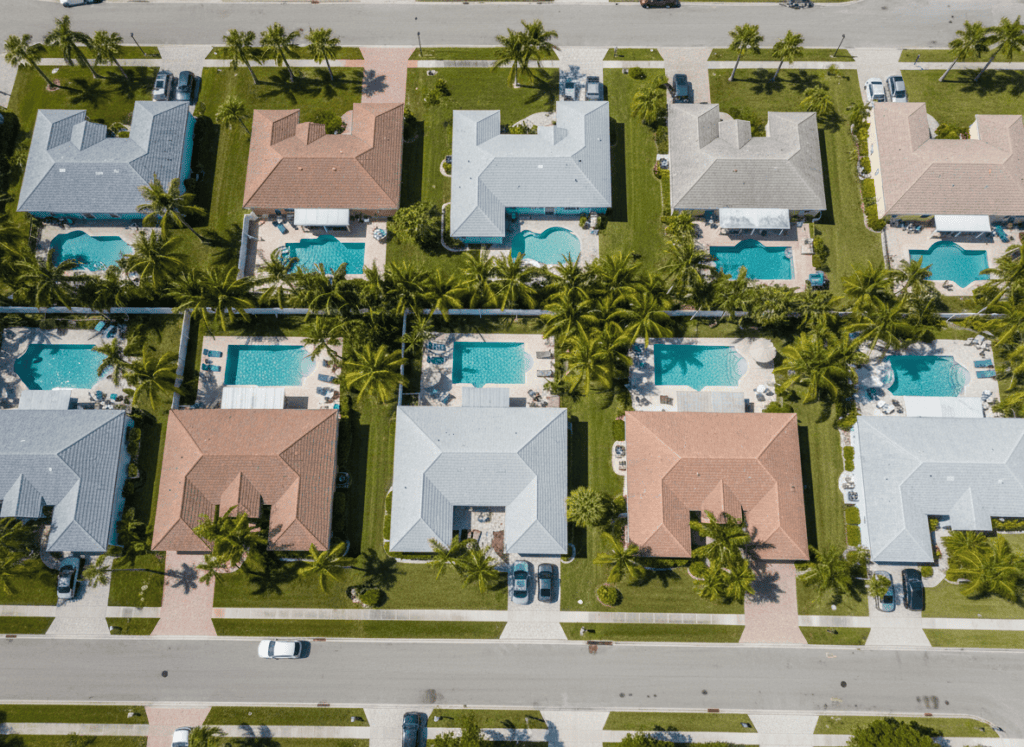
Home prices are projected to fall in 22 of the country’s 100 largest cities over the next year, and the sharpest drops are landing squarely on the metros that boomed the hardest during the pandemic. A widely cited Realtor.com analysis, reported by CBS News, puts Cape Coral and Fort Lauderdale, Florida at the top of the list with a projected 10.2% decline, followed by North Port-Sarasota-Bradenton at 8.9%. Seven of Florida’s eight largest metro areas made the list of markets expected to lose value.
The Momentum Data Backs Up the Forecast
Fresh momentum readings support the picture. Cotality’s September 2026 Home Price Insights report found that 19 of the 100 largest U.S. metros posted negative three-month price momentum as of July 2026, nearly double the 10 metros showing the same weakness just a month earlier. Cotality Chief Economist Dr. Selma Hepp attributed the acceleration in part to mortgage rates that climbed “from about 6% this spring to more than 6.6% since June,” a jump that cooled buyer demand across markets that had already stretched affordability to its limit during the boom years.

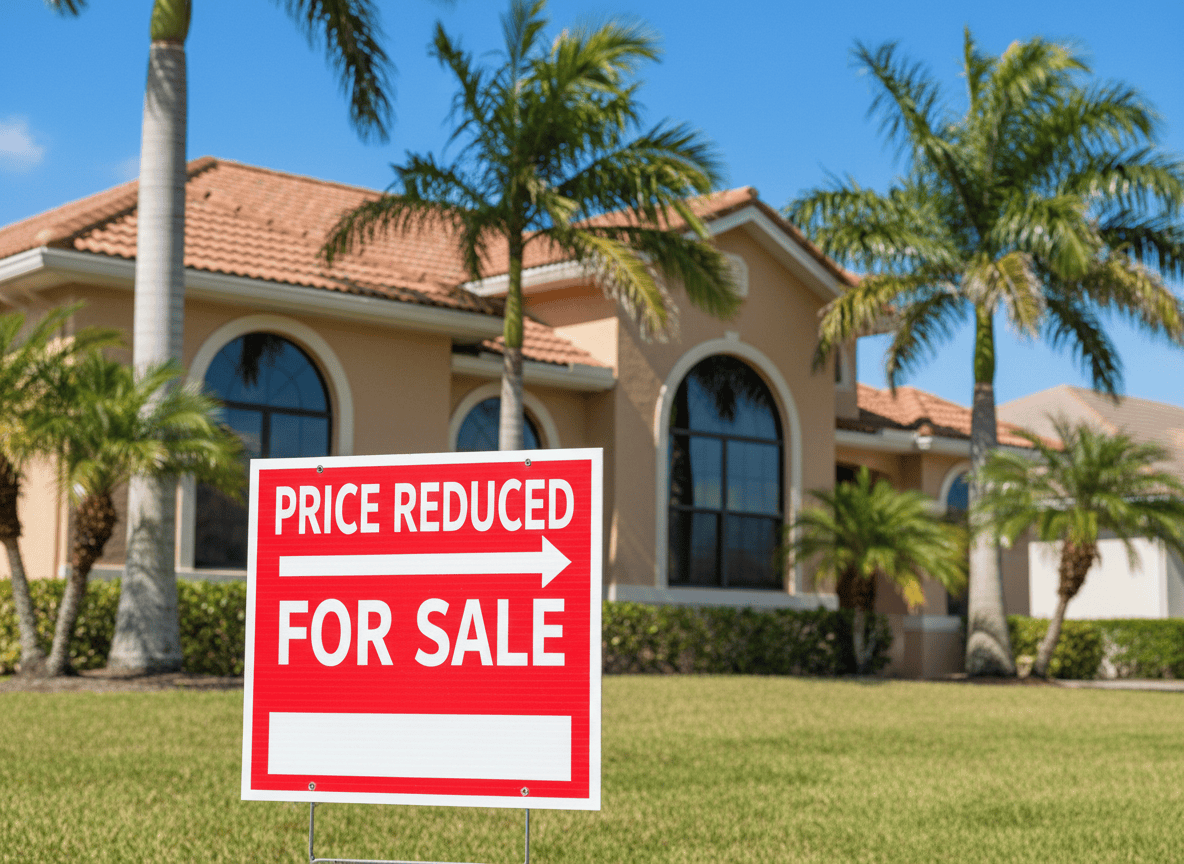
Why the Pandemic Winners Are Now Losing Ground
The metros facing the steepest corrections share a common history: they were among the biggest beneficiaries of the 2020 to 2022 remote-work migration, when buyers fled expensive coastal cities for cheaper Sun Belt markets with more space and lower taxes. Florida, Texas, and parts of the Mountain West absorbed a wave of new residents and new construction, and prices climbed accordingly. Realtor.com economist Jake Krimmel explained the correction plainly: “These places, among others, saw a huge frenzy during the pandemic, so part of what we are projecting is that demand continuing to come back down to earth.”
That “coming back down to earth” isn’t just about demand cooling. Builders in Florida and Texas kept pace with the pandemic rush and then some, and that new supply is now hitting the market at the same time buyer urgency has faded. More listings chasing fewer serious buyers is a straightforward recipe for falling prices, especially in metros where investor activity had pushed values well beyond what local wages could support.
Rising Costs Are Squeezing Owners in the Same Markets
Florida’s price weakness has a second driver that goes beyond supply and demand: the cost of simply owning a home there. Property insurance premiums in hurricane-exposed coastal metros have climbed sharply in recent years as insurers price in storm and flood risk, and property tax reassessments tied to the pandemic-era price surge haven’t fully unwound. Both add real, monthly costs on top of a mortgage payment, and both are pushing some owners to sell rather than absorb the expense. Cotality’s report also flagged wildfire exposure in parts of California and storm risk in Hawaii as contributing to weakness in those states, suggesting climate-linked costs are becoming a measurable line item in home-price forecasts nationally, not just a regional footnote.
The Rest of the Country Is Still Gaining, Just More Slowly
It’s worth noting what this forecast doesn’t say. The remaining 78 of the top 100 metros are still projected to see prices rise, with a median gain reported around 4% — hardly the crash headlines some coverage implies. Miami, notably, is the one major Florida market still expected to post gains, thanks to steadier international buyer demand that has less exposure to the domestic mortgage-rate cycle. The story is less “the housing market is falling apart” and more “the markets that rose fastest are giving some of it back.”
What This Means If You’re Watching One of These Markets
For homeowners in a metro on the decline list, the practical takeaway is about timing and expectations rather than panic. A projected 8% to 10% pullback over a year is a correction, not a collapse, and it comes after several years of double-digit gains in most of these same markets. For buyers eyeing Florida or Texas, the softening prices combined with rising inventory — a trend Redfin has also documented nationally — could translate into real negotiating leverage for the first time since before the pandemic. Sellers who bought near the peak, however, may find their equity cushion thinner than they assumed, particularly if they’re also facing a renewed insurance bill.
The metros cooling fastest right now are the same ones that ran hottest for the longest, and that pattern tends to hold until supply and demand find a new resting point.