

You’ve followed the recipe, scooped perfect mounds, and still pull out thin, greasy cookies. The most likely culprit is butter that’s too warm or too cold — its temperature controls how much air the dough traps and how quickly the fat melts in the oven. Get the butter to the right temperature and your cookies will hold their shape, rise properly, and finish with the texture you expect.
This post walks you through why butter temperature matters, how to test and fix it, and quick fixes when a batch starts to spread on the baking sheet. With a few simple checks and tiny timing tweaks, you’ll stop wasting dough and start baking reliably thick, tender cookies.

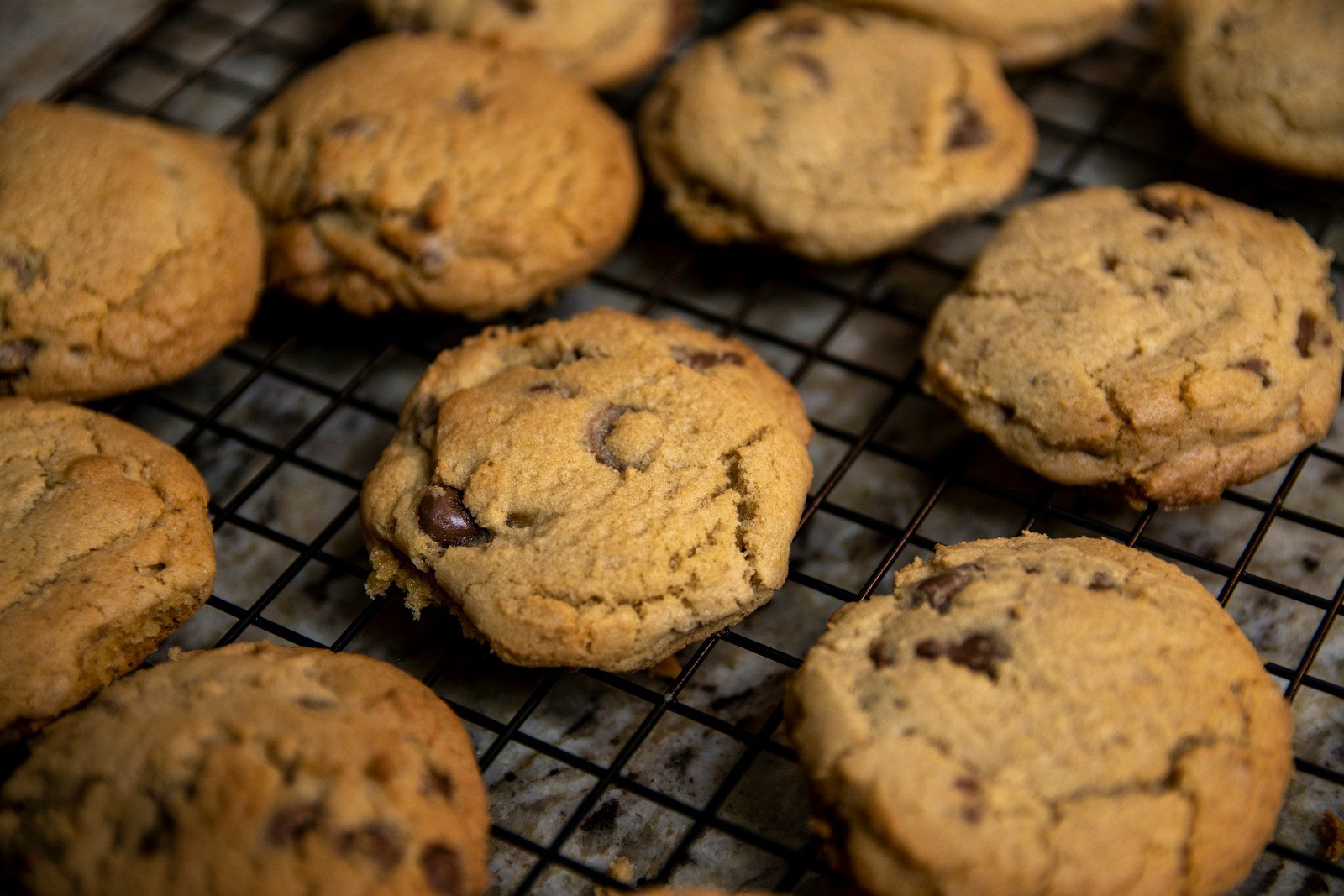
Understanding the Role of Butter Temperature in Cookie Baking
Butter temperature controls how your dough traps air, how fast the fat melts in the oven, and how much gluten develops. Get the butter right and you steer cookies toward chewy centers, crisp edges, or minimal spread.
Why Butter Temperature Matters
Butter temperature determines how much air you incorporate when creaming with sugar.
If butter is about 65°F (18°C) it creams smoothly and holds tiny air pockets; those pockets expand in the oven and help cookies rise instead of spreading into thin discs.
Temperature also controls moisture interaction with flour. Warmer, wetter butter hydrates flour more, increasing gluten formation and changing texture from tender to chewier.
Colder butter delays melting, so the dough sets before the fat liquefies; that preserves height and creates thicker cookies.
How to Identify Properly Softened Butter
Properly softened butter should give under gentle pressure but still hold its shape.
Use the bend-not-break test: press a finger into the stick — it should yield without leaving a greasy smear.
Aim for around 65°F (18°C). If it’s too cold, it won’t cream; if it’s too warm or greasy, it’s effectively melted.
You can warm slices on the counter for 15–30 minutes or cut butter into cubes to speed equilibration. Avoid microwave “softening” unless you heat in very short bursts and monitor closely.
Common Mistakes: Melted and Room Temperature Butter
Using melted butter often causes excessive cookie spread because the fat is already liquid and can’t trap air.
If you mix and bake immediately, cookies made with melted butter tend to flatten and brown quickly on the bottom.
Conversely, treating “room temperature” vaguely leads to errors. Many people think room temp equals warm or limp; that produces greasy dough and thin cookies.
Stiff, overly-cold butter prevents proper creaming, producing dense cookies that may not spread enough. Match the butter state to the recipe: creaming needs softened butter; recipes asking for melted butter expect a different texture and usually call for chilling.
Effects on Cookie Structure and Spread
When butter creams with sugar, it coats flour proteins and limits gluten development, producing tender crumb.
If butter is too warm, that coating is incomplete and gluten can tighten, changing a delicate cookie into a chewier one.
Butter’s melt point dictates spread: quick-melting butter lets cookies thin out before edges set. Delayed melt (from chilled or properly softened butter) lets the dough hold shape until proteins and sugars set the structure.
Adjust butter temperature to get the outcome you want—chewy center, crisp edge, or a tall cookie—rather than guessing why your cookies flat. For troubleshooting tips and deeper explanations of butter’s role, see this guide on why cookies flatten and how butter influences spread.
Troubleshooting and Preventing Flat Cookies
You need reliable, targeted fixes that address recipe ratios, butter temperature, and baking technique so your cookies hold shape and texture. Small measurement errors, overworked dough, or the wrong oven habits usually cause most spreading problems.
Measuring Flour and Sugar Accurately
Measure flour by weight whenever possible; 120–125 g per cup is a common target for many cookie recipes. Scoop-and-level can pack too much flour; spoon flour into the cup then level it, or better yet use a kitchen scale to avoid too little flour and resulting flat cookies.
Sugar affects spread because it melts into liquid during baking. If your recipe calls for granulated sugar, keep the sugar ratio steady; reducing sugar by 1–2 tablespoons can help if cookies run flat. Weigh sugar for consistent results and check the recipe’s white-to-brown sugar ratio—more brown sugar usually yields chewier, less-spread cookies.
If you suspect your dry ingredients are off, test your baking soda (mix 1/4 tsp with 1/2 tsp vinegar; it should bubble vigorously) and replace expired leavening. Accurate dry measures protect structure and reduce the chance of greasy, flat cookies.
Mixing Techniques and the Creaming Method
Cream butter and sugar until just light and combined—about 2–3 minutes with a stand mixer on medium. Over-creaming incorporates too much air and can cause the fat to separate, leading to greasy, flat cookies. Under-creaming, however, can leave ingredients uneven and create dense spots.
Mixing order matters: cream butter and sugar first, add eggs one at a time, then fold in dry ingredients. Use a paddle attachment or a hand mixer on low when adding flour to avoid developing too much gluten. If you see butter pooling in the bowl during creaming, stop; chill the bowl for 10–15 minutes and proceed gently.
If you want thicker cookies, slightly reduce mixing time and increase flour by 5–10 g (about a tablespoon) or add 1/2 tablespoon of cornstarch or Instant ClearJel to improve structure without toughening the cookie.
Chilling the Dough and Baking Practices
Chill dough at least 30–60 minutes; for thicker bakery-style cookies chill overnight. Cold dough keeps butter from melting too fast, so cookies set before they spread. If dough feels too soft, return it to the fridge for 15 minutes rather than baking immediately.
Bake one sheet at a time on a room-temperature baking sheet lined with parchment paper or a silicone baking mat. Avoid foil-lined pans, which encourage spreading. Use a cookie scoop for uniform portions so each cookie bakes at the same rate.
Preheat the oven fully and verify temperature with an oven thermometer. If the oven runs cool, cookies will spread before setting. If it runs hot, edges brown too fast—adjust temperature by 10–15°F (5–8°C) and retest until you get consistent results.
Choosing the Right Baking Equipment and Oven Settings
Use light-colored, heavy-gauge baking sheets; dark pans absorb more heat and can overbrown edges while leaving centers underdone. Rotate the pan halfway through baking only if your oven has hot spots, and never place a hot cookie sheet directly on cold countertop—heat transfer can flatten cookies.
Keep butter temperature consistent: room-temperature butter should yield a dent when pressed but not be glossy or oily. If you prefer less butter spread, substitute part butter with a tablespoon or two of vegetable shortening per cup of fat to reduce spreading while keeping flavor.
If a batch turns out flat, repurpose them: crush for ice cream mix-ins, or blend into cookie butter. Small adjustments—measuring by weight, controlled creaming, chilling dough, and using correct pans and oven settings—solve most spreading problems.