


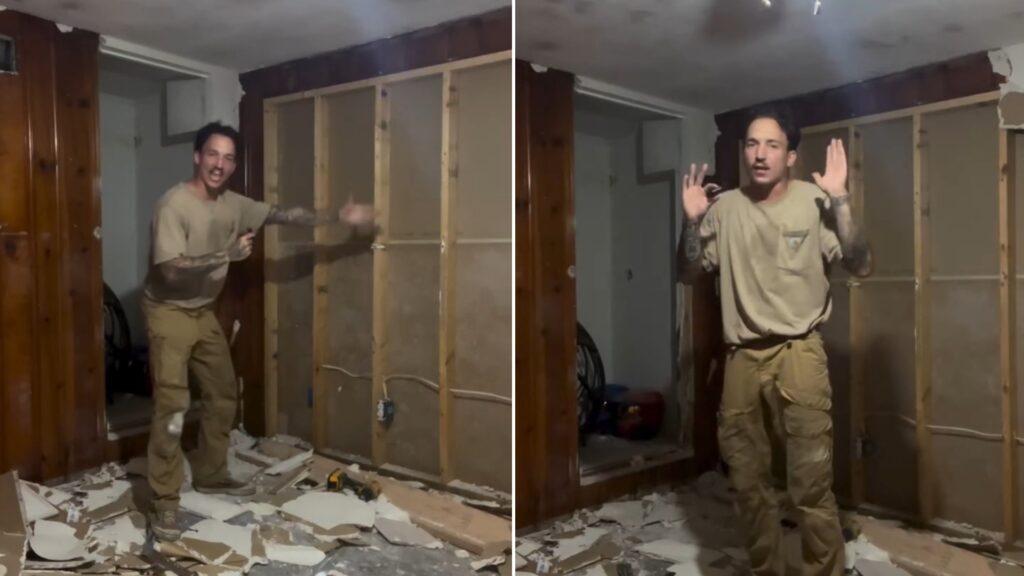
A homeowner working through renovations on a property he’d just bought started posting a running list of every construction defect and permit problem his crew turned up, and the list hasn’t stopped growing since, according to his own Instagram reel. What started as one video venting about a botched electrical panel turned into an ongoing series, because every wall his contractors opened up revealed another shortcut a previous owner or builder had taken. It’s the kind of footage that makes anyone who’s bought an older home wince in recognition.
The defects that show up most once walls come down
Roof problems, electrical issues and window failures are the three most common defects flagged during home inspections, turning up in 19.7%, 18.7% and 18.4% of inspections respectively, according to RubyHome’s inspection data analysis. Those are exactly the categories that tend to hide until a renovation opens the walls, because a pre-sale inspection only sees what’s visible without demolition. A panel that passed a visual check can still have wiring behind it that was never permitted or inspected at all.
Why an inspection doesn’t catch everything
Standard home inspections find something worth fixing in 86% of cases, per RubyHome’s research, and 46% of buyers use those findings to negotiate, typically knocking about $14,000 off the purchase price. But an inspection is a visual, non-invasive walkthrough. It can’t see inside a finished wall, under a slab, or behind cabinetry a previous owner installed specifically to cover a repair. That gap is exactly where the defects in this renovation kept surfacing: bad wiring, plumbing rerouted without a permit, framing altered to close in a room that was never signed off by an inspector.
The permit problem sitting underneath the physical one
Nearly 40% of people who bought a home in the last five years admit they waived or skipped inspection-related protections to save money or win a bidding war, according to a Forbes survey on homebuyer behavior. That same survey found 34% of recent buyers believe they overpaid for their homes once the real condition became clear. Unpermitted work compounds both problems. It’s often cheaper up front, invisible at closing, and expensive to unwind later, since a current owner has to pull retroactive permits, expose the work for re-inspection, and sometimes redo it to code before a city will sign off.
The insurance problem nobody sees until it’s too late
Unpermitted work doesn’t automatically void a homeowners insurance policy, but it can gut coverage at the worst possible moment. Standard policies carry a faulty workmanship exclusion that strips coverage when substandard, unpermitted construction is the actual cause of a loss, such as water damage from an improperly installed bathroom addition, according to LegalClarity’s breakdown of insurance coverage rules. Insurers who discover unpermitted work during a claims investigation can also raise premiums, restrict coverage, or decline to renew the policy, and that discovery gets logged in a CLUE report that follows the property for seven years, affecting how other insurers price it later.
What a growing list actually tells other buyers
The value in a running, public list of defects isn’t the shock factor. It’s the pattern. Once one shortcut turns up, contractors go looking for others in the same area of the house, because a previous owner who skipped a permit for one job rarely stopped there. That’s why the list in this renovation kept expanding instead of closing out after the first fix. A single bad splice in a junction box is a repair. A pattern of splices behind every outlet on that circuit is a sign nobody ever called an electrician at all.
What this means before you buy your next fixer-upper
If you’re touring an older home or one with recent DIY updates, ask directly whether any work was permitted, and pull the permit history yourself through the local building department rather than trusting a listing description. A seller doesn’t have to volunteer that a wall was opened without a permit, and an inspector can only flag what’s visible on the day of the walkthrough. Anyone who has watched a renovation reel like this one knows the real defect count doesn’t show up until the drywall comes off the studs.