


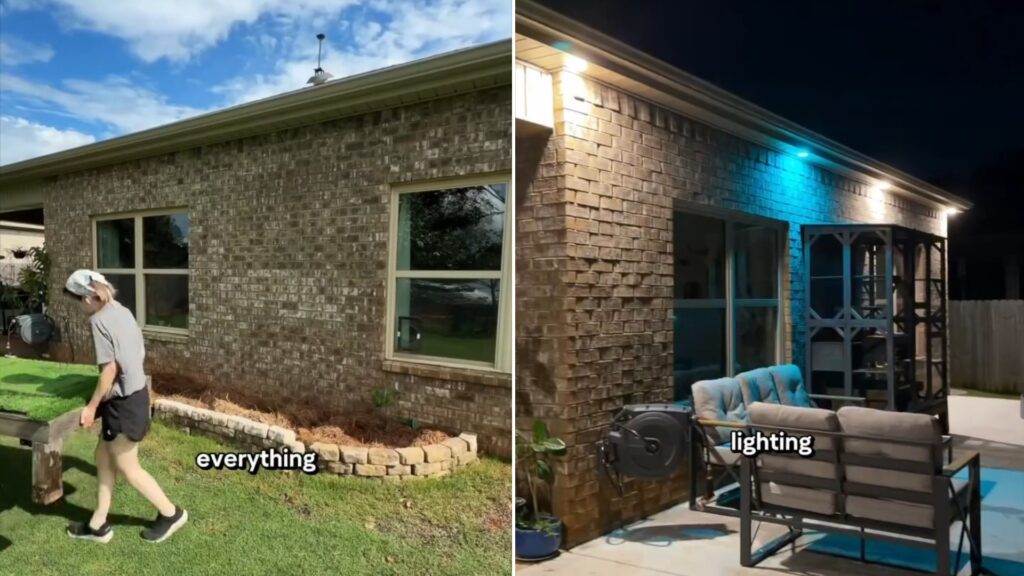
A single backyard teardown-and-rebuild reel hit 2.1 million views, which tells you something about how many people are sitting on an unused outdoor structure they’ve been meaning to deal with for years. The homeowner behind the reel tore out a cat enclosure that had gone unused, framing and mesh included, and replaced the entire footprint with a poured concrete patio and a built pergola, shot step by step from demolition through the finished layout. The specific swap matters here. Outdoor cat enclosures, often called catios, have become a genuinely large home category, which makes watching one get fully removed and rebuilt into something else feel like real permission for anyone with a similar structure gathering dust.
Catios Got Big Enough to Make This Swap Notable
Outdoor cat enclosures aren’t a niche novelty anymore. The catio industry was valued at $325 million in 2024 and is projected to roughly double by 2033, according to reporting from Oregon TV station KPTV on the category’s growth. Custom builds from specialty catio companies commonly run around $4,000 for a basic 6-by-8-foot enclosure, with elaborate versions featuring tunnels or attached gazebos exceeding $15,000. That’s real money sitting in a backyard, which is exactly why tearing one out once it stops getting used is a bigger decision than pulling out an old swing set, and why documenting the replacement resonates with anyone who has a similarly expensive structure they’ve outgrown.
What a Concrete Patio Actually Costs to Pour
Once the old structure and its footings are gone, the patio work follows a fairly predictable cost curve. Angi’s own patio cost data puts concrete patios at $4 to $30 per square foot depending on finish and customization, with a typical project landing between $1,919 and $5,393 and an overall average around $3,555. Basic broom-finished slabs sit at the low end of that range, while stamped or stained decorative concrete pushes costs toward the top. The final price depends heavily on square footage, site prep, and whether the old enclosure’s footings needed to be fully removed or could be built around.
Adding a Pergola Changes the Math
A bare slab and a finished outdoor living space are two different projects, and the pergola is what makes the difference. Angi’s cost figures put a standalone pergola addition at roughly $2,100 to $5,600 depending on materials and size, on top of whatever the patio itself costs. That range covers everything from a basic wood kit to a more substantial cedar or vinyl structure built to match the house. Pairing a new pour with a pergola in the same project, rather than doing it in two separate phases, is typically cheaper than adding the structure later, since site access and labor scheduling both get built into one job instead of two.
What Site Prep Adds Before the Concrete Even Shows Up
The parts of this project that never make the highlight reel are usually the most expensive per hour. Before any concrete gets poured, the area needs grading and a sand or gravel base underneath the slab, and HomeGuide’s own cost data notes that most residential patios should be at least 4 inches thick, with 6 inches recommended anywhere heavy furniture or a hot tub might sit. Rebar or wire mesh reinforcement adds another $1 to $3 per square foot but helps prevent the cracking that shows up within a few years on patios poured without it. None of that is visible once the pergola goes up and the furniture gets arranged for the reveal, but it’s the reason a well-built patio holds up for decades instead of needing to be redone.
Why This Kind of Teardown Resonates
An unused catio isn’t an eyesore exactly, but it’s dead space that used to have a purpose and now just takes up square footage. Watching someone tear one all the way down to bare dirt and rebuild it into a patio and pergola that actually gets used week to week is the kind of project that makes an underused yard feel solvable instead of permanent. You don’t need 2.1 million people to validate ripping out something nobody’s used in years, but it clearly doesn’t hurt. The bigger lesson buried in the views is that a backyard structure built for one specific purpose, a pet, a hobby, a phase of life that’s since ended, doesn’t have to stay put just because it’s already there and already paid for.