


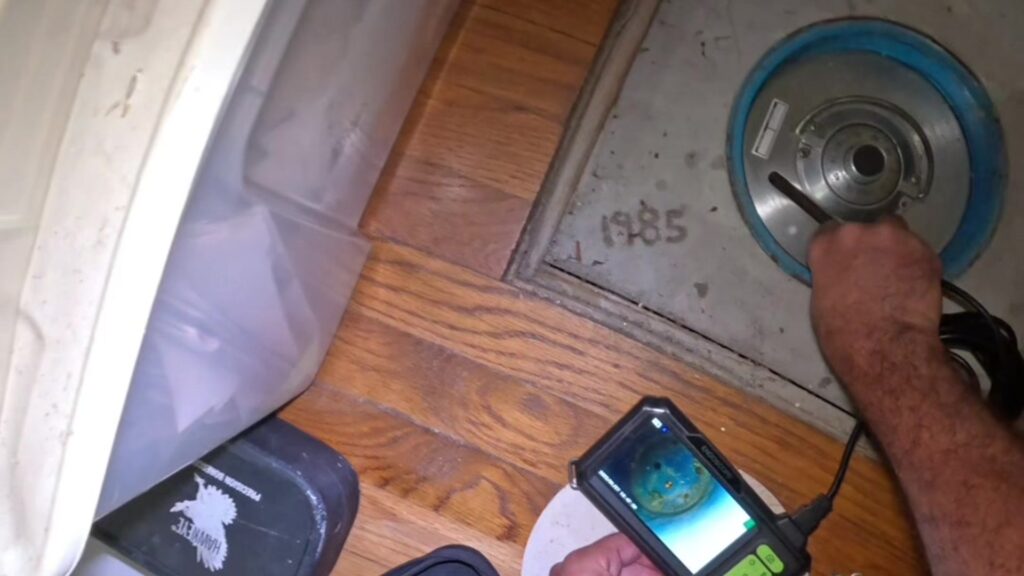
A floor safe that hasn’t been opened since 1985 doesn’t come with a combination taped inside a kitchen drawer, which is the problem the TikTok account @vaultcracker ran into after inheriting one bolted into a closet floor. There was no paperwork left behind, no serial number anyone had written down, and no relative around to ask. The video that followed walks through the real process step by step: a call to the manufacturer, the limits of what a company will actually tell a stranger over the phone, and eventually a borescope threaded through a small drilled access point to check the internal mechanism before anyone committed to a full drill-out. It’s a slow, procedural clip by most social media standards. It still pulled in 1.2 million views.
@vaultcracker Mystery safe has been locked since 1985. She can’t wait to see what’s inside of it.
Why a Manufacturer Can’t Just Hand Over the Code
Calling the company that made your safe feels like the obvious first move, and it is, but it rarely ends the way people expect. According to Acme Locksmith’s own breakdown of safe-opening costs, manufacturers will typically only release a key or combination directly to the owner if there’s proof of purchase or a registered serial number on file. Without that paperwork, the company has no way to confirm the caller actually owns the safe, and inheriting a house doesn’t automatically come with a customer service file attached to it. That’s the wall most people hit within the first few minutes of the call, and it’s why the video spends real time on the back-and-forth before anything gets opened at all.
The Borescope Step Most People Never Consider
Once the manufacturer route stalls out, locksmiths and DIYers alike move to a technique called scoping. As Toronto Safecracker explains it, scoping means drilling a small, strategically placed hole and threading a borescope, essentially a tiny camera on a flexible cable, through it to visually inspect the wheel pack or lock mechanism before doing anything more invasive. It lets you confirm what you’re actually dealing with instead of drilling blind, which is the difference between a repairable safe and a ruined one. The same source lists dial manipulation, straight drilling, and cutting as the escalating options locksmiths turn to when scoping alone doesn’t get the door open.
What That Kind of Repair Actually Costs
None of this comes free, and part of the video’s appeal is watching viewers do the math along with the homeowner in the comments. Acme Locksmith puts key duplication for safes with an override key at roughly $50 to $80, straightforward drilling around $300, and higher-security burglary-rated safes at $450 or more once repair work is factored in. TL-rated commercial-grade safes can run $750 and up. A residential floor safe from the 1980s usually lands on the cheaper end of that range, but not knowing which category you’re dealing with is exactly why people call around before anyone touches a drill. A drilled and repaired safe can also usually still be reused afterward with a new lock installed, so the cost isn’t necessarily a total loss the way cutting one open would be.
What Sealed Safes Tend to Hold
The actual reveal is the reason this clip kept climbing, and it’s worth watching directly rather than described secondhand. But it fits a pattern that shows up whenever old safes or deposit boxes finally get opened after decades. AARP’s own rundown of abandoned safe deposit box contents found stock certificates, old savings bonds, coins, and jewelry among the most common surprises, some certificates worth a few hundred dollars, some jewelry lots selling for thousands once appraised. A safe sealed since the Reagan administration sits in exactly the window when paper assets and jewelry were still the default way families stored value at home instead of a brokerage account, which is part of why estate cleanouts still turn up these kinds of surprises decades later.
A House Full of These Waiting to Happen
Every older home sale eventually turns up something bolted to a floor or wall that nobody currently living there has the code for, and most people never bother finding out what’s inside before it gets pried loose with the rest of the demo debris. The manufacturer call and the borescope aren’t dramatic on their own. What makes them worth 1.2 million views is that almost everyone watching has walked past a locked cabinet, an old wall safe, or a rusted floor panel in a house they’ve lived in for years and just assumed wasn’t worth the hassle of tracking down.