


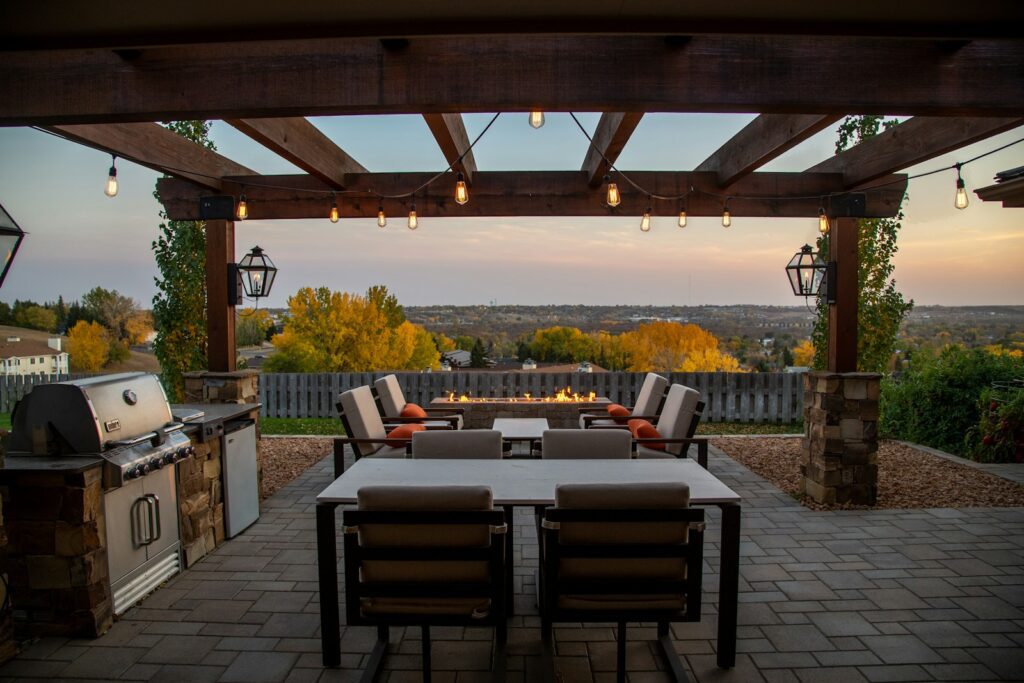
Homeowners are spending an average of $3,515 on landscaping this year, according to Angi’s 2026 cost data, with standard projects running $4.50 to $12 per square foot depending on scope. That number balloons fast for anything ambitious: a full backyard renovation with hardscaping, planting beds, and irrigation can run $15,000 to $50,000. But the detail that changes how people think about the expense is the payoff: a well-maintained lawn alone can return up to 217% of its cost when the house sells, making it one of the only home projects where the return can exceed the outlay several times over.
What Drives the Price
Hardscaping (patios, retaining walls, walkways, and stonework) is what pushes a landscaping budget from the low thousands into five figures, since it involves materials, grading, and often equipment rental or excavation labor that softscaping (plants, mulch, sod) never requires. Plant selection matters too: mature trees and shrubs cost dramatically more than starter plants that will fill in over a few seasons, and irrigation systems add both upfront installation cost and a recurring water bill. Site conditions play a bigger role than most homeowners expect: poor drainage, sloped yards, or compacted soil can add regrading costs before a single plant goes in the ground.

Cost by Project Type
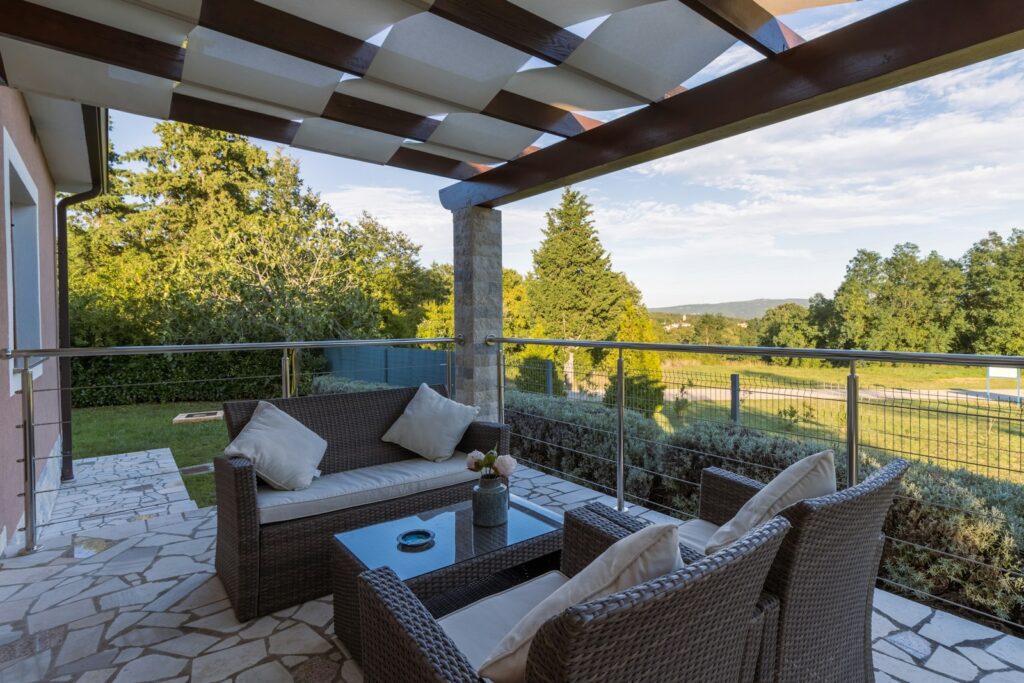
A basic lawn installation or refresh (new sod, edging, and a few foundation plantings) tends to land at the lower end of that $4.50 to $12 per square foot range. Full backyard renovations that include a patio, outdoor kitchen structure, fire pit, or pergola climb into the $15,000 to $50,000 territory Angi tracks, since those elements combine hardscaping materials with skilled labor for masonry or carpentry. Front-yard curb appeal projects sit in a category of their own: a new walkway alone often costs a fraction of a full backyard overhaul but delivers close to a 100% return, since it’s the first thing every buyer and every appraiser sees walking up to the door.
The Real ROI
Landscaping is unusual among home improvements because the return isn’t tied to how much money went in: it’s tied to maintenance and curb appeal, which cost relatively little to sustain once the initial planting is done. A lawn kept mowed, edged, and weed-free returns up to 217% of its cost at resale, according to Angi’s figures, a number that reflects how heavily buyers judge a home’s exterior before they’ve even walked through the front door. Front walkway upgrades return close to 100% of cost, making them one of the few landscaping investments that essentially pays for itself. Big-ticket hardscaping like pools or elaborate outdoor kitchens returns far less proportionally, since those features appeal to a narrower slice of buyers.
DIY vs. Professional
Basic maintenance (mowing, edging, seasonal planting, mulching) is squarely DIY territory and where homeowners get the most return for the least skill required. Design work, drainage correction, and hardscaping installation are where professional landscapers earn their fee, since improperly graded soil or a poorly built retaining wall can cause water damage to a foundation that costs far more to fix than the original landscaping project. Many homeowners split the difference: hiring a landscape designer for a plan and doing the physical planting themselves, which keeps professional costs down to design fees rather than full installation labor.
Regional Variation and Timing
Climate shapes landscaping costs more than almost any other home project on this list. Homeowners in arid regions face higher water costs and often pay a premium for drought-tolerant or native plantings, while those in humid climates contend with faster weed growth and more frequent lawn treatments to keep grass looking maintained. Growing season length also matters for budgeting: a homeowner in the Southeast can spread planting and lawn work across most of the year, while someone in a northern climate has a compressed spring-and-fall window, which tends to push up labor rates during peak demand. Timing a project for early spring or late fall, when landscaping crews have more open calendar space, can shave a meaningful percentage off labor quotes compared to booking during the busy early-summer rush most homeowners default to.
What separates landscaping from most other home projects is how disconnected the spend is from the return: a homeowner who spends almost nothing on regular mowing captures more resale value proportionally than one who drops tens of thousands on elaborate hardscaping few buyers will pay extra for.