


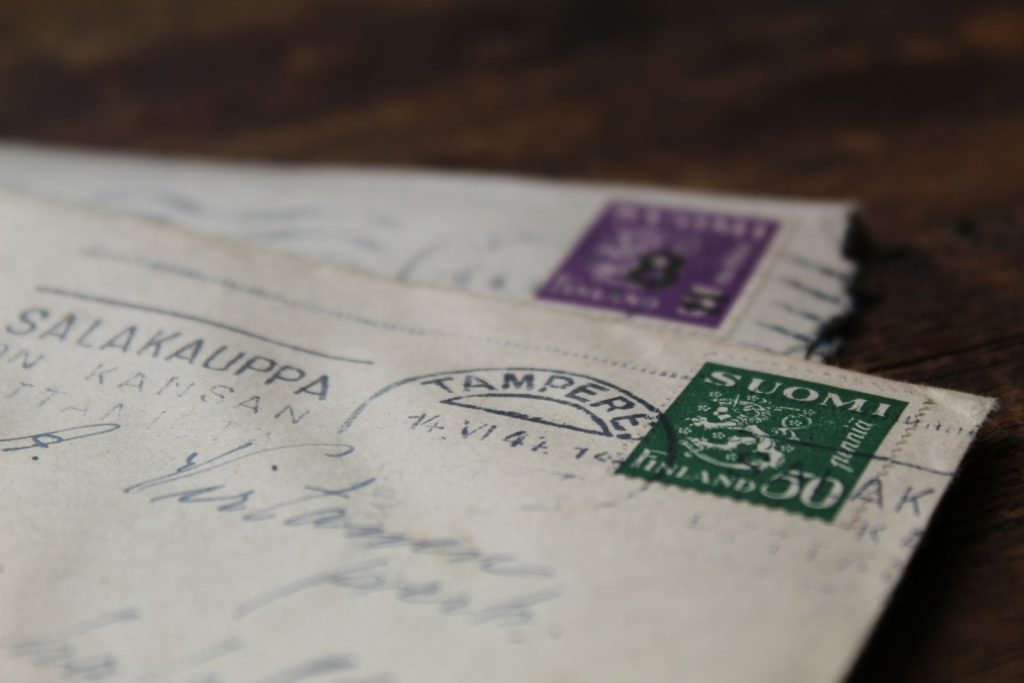
When a couple in The Wyoming town of Casper began pulling apart part of their old house, they expected dust and dated wiring, not a handwritten note from a century ago. Tucked behind a wall, the fragile paper turned out to be a 100-year-old letter that opened a window into the life of a long-gone resident and set off a modern search for his family. Their discovery, shared online with the caption “You never know what you’ll find,” has since resonated with homeowners and history lovers who see their own walls in a new light.
The story that followed, stretching from a renovation project to a digital reunion, shows how a single forgotten message can connect present-day residents with the people who first built and lived in their homes. It also highlights how social platforms, from Reddit to Flickr, can turn a private find into a shared investigation that crosses state lines and even national borders.
The renovation that uncovered a hidden past

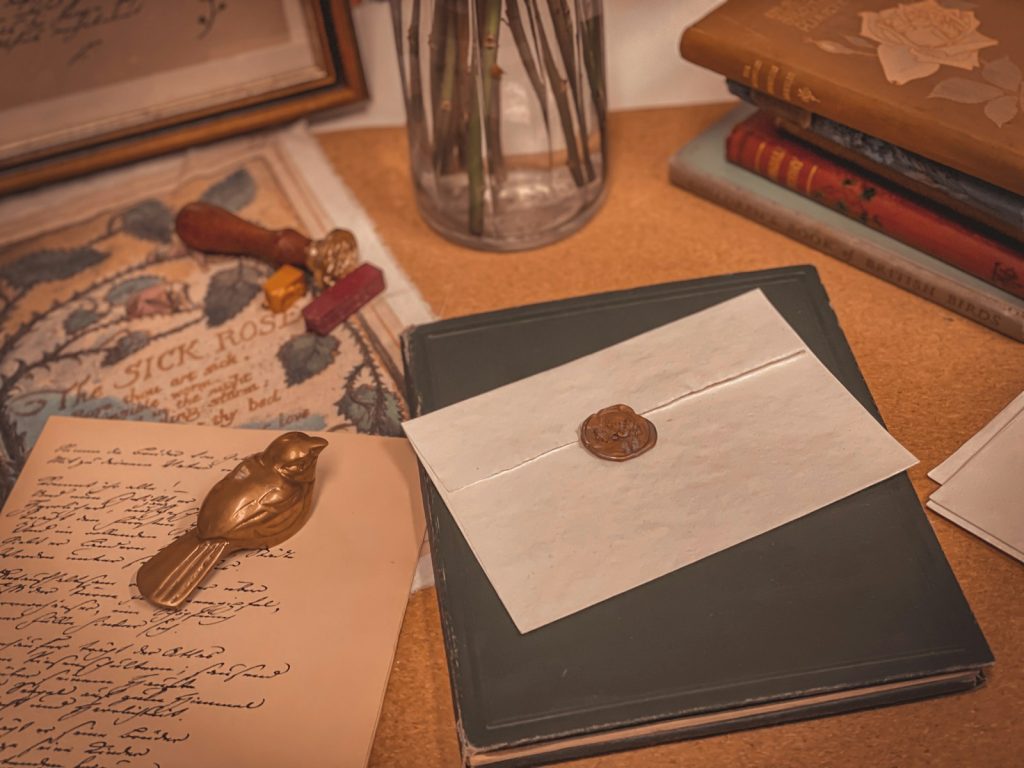
The homeowners were in the middle of a routine update when the past quite literally fell at their feet. As they removed interior finishes in their early twentieth century property, a slim envelope slipped from a gap in the framing, its edges browned but the ink still legible. The note was quickly recognized as a 100-year-old message, written in careful cursive and folded so tightly that it had likely not seen daylight since the house was first wired and plastered. What began as a practical project to modernize an aging structure suddenly felt more like an archaeological dig, with the couple pausing their work to piece together who had written the letter and why it had been left behind.
They were not alone in that experience. Another homeowner, renovating a 1917 house, described finding a similar 100-year-old letter leaning up against a wall during demolition, proof that these kinds of discoveries are not isolated curiosities but recurring side effects of opening up older buildings. In that case, the note had slipped behind lath and plaster and survived decades of repainting and redecorating, a reminder that every layer added to a home can also seal in traces of the people who came before.
Inside the 100-year-old letter
Once the Casper couple carefully unfolded their find, the tone of the message surprised them. Rather than a bill or a terse notice, it was a letter thanking a man named Shea for money he had sent home, a personal note that captured both gratitude and the economic strain of the time. The handwriting suggested someone used to formal correspondence, and the language hinted at a family separated by distance and dependent on remittances. The homeowners realized they were holding not just a curiosity but a snapshot of a relationship, preserved in ink and paper long after the people involved had died.
In a separate but strikingly similar case, a renovator who shared his story online said his own 100-year-old letter had been written by a woman who described everyday details of her life and the challenges she faced. That document, later described in coverage by Jan and others, became the starting point for a deeper investigation into the writer’s identity. Together, these finds show how even a few paragraphs can reveal the emotional economy of an earlier era, from the pressure on workers to send money home to the way families used letters to bridge long distances.
From Casper to Bantry: tracing Shea’s journey
The Casper letter quickly pointed to a larger story once the name Shea appeared in the text. According to later research, Shea had emigrated to Wyoming from his native Bantry in Ireland, part of a wave of early twentieth century migration that sent young men and women from rural Europe to the American West. In Wyoming he worked as a sheep herder, a job that kept him far from major towns for long stretches but offered steady wages that he could send back across the Atlantic. The letter that surfaced in the house appears to have been sent by relatives acknowledging one of those payments, a tangible link between a modest home in Casper and a family still rooted in Bantry.
Reporting on the case notes that Shea’s move from Bantry to Wyoming was typical of the period, when ranching and herding jobs drew immigrants who were willing to endure isolation in exchange for land and opportunity. The fact that his correspondence ended up hidden inside a wall suggests it may have been stored for safekeeping and then forgotten during a later repair. For the current owners, learning that their property had once belonged to an Irish sheep herder transformed their sense of the building from anonymous structure to part of a transatlantic story, one that began in Ireland and unfolded across the plains of the American West.
How a Flickr upload sparked a family reunion
After the initial excitement of the discovery, the Casper homeowner decided that the letter deserved a wider audience than a kitchen drawer. He photographed the fragile pages and uploaded them to his Flickr account, adding a brief description of where it had been found and the name Shea that appeared in the text. What might have remained a local curiosity instead became searchable to anyone looking for that surname, that town, or even that style of handwriting. Within a short time, the images were discovered by a distant relative who recognized family details and reached out to the homeowner.
The connection did not happen by accident. The Wyoming resident had tagged the images with references to The Wyoming and to the Irish place names mentioned in the letter, which helped surface them in searches by genealogists and family members. That online visibility turned a static artifact into a living bridge between branches of a family tree that had lost touch for generations. The eventual contact with a descendant allowed the letter to be shared with people who saw it not just as a historical document but as part of their own family archive, underscoring how digital platforms can reunite stories that physical distance once kept apart.
Reddit, “Shocked” homeowners, and the viral afterlife of a letter
While the Casper discovery unfolded quietly at first, similar finds have exploded into public view once they hit social media. One homeowner, posting under the handle Ghosttowncs, shared images of a 100-year-old letter discovered during a renovation on Reddit, where the thread quickly drew thousands of views and comments. The post, later highlighted in coverage that described the “Shocked” reaction of readers, captured the mix of surprise and curiosity that greets any glimpse of handwriting from a century ago. Users zoomed in on the script, speculated about the writer’s life, and urged the poster to track down descendants if possible.
That same coverage noted how the phrase “You never know what you will come across” summed up the mood among commenters who began sharing their own stories of unexpected finds in attics and crawl spaces. The Reddit thread, which was later referenced by Fabiana Buontemp, showed how quickly a private renovation detail can become a public conversation about memory and place. For the original poster, the viral attention was a reminder that even a single sheet of paper can resonate far beyond the walls where it was hidden, especially when platforms like Reddit and image-sharing sites make it easy to broadcast discoveries to a global audience.
A second renovator, another 100-year-old mystery
The Casper story is not the only recent example of a renovation turning into a historical investigation. In a separate case described by Jan, a man working on a 1917 home reported that he “found a 100-year-old letter hidden in the walls during a home renovation,” a moment that instantly shifted his focus from drywall to detective work. The note, discovered leaning up against the wall behind old boards, had survived intact despite decades of temperature swings and construction vibrations. Its survival highlighted how often personal papers were tucked into structural cavities, either as makeshift storage or simply because they slipped through gaps during earlier repairs.
Coverage of that second case, which drew 8 comments in its initial write up, emphasized how the renovator’s curiosity quickly turned into a quest to identify the writer’s family. The homeowner described reading and rereading the text, looking for names, addresses, or dates that could be cross referenced with public records. That process, while painstaking, mirrored the steps taken in the Casper case and showed that ordinary residents can become effective amateur historians when a compelling artifact lands in their hands.
From curiosity to quest: tracking down the writer’s family
In both the Casper discovery and the 1917 house case, the moment of finding the letter was only the beginning. The renovator who shared his story with Jan explained that the 100-year-old note “sparked a quest to find the writer’s family,” a phrase that captured how quickly a simple curiosity can turn into a personal mission. He began by transcribing the text, then used online databases and local records to match the names and addresses mentioned in the letter with census entries and old city directories. Each small confirmation, such as a matching surname on a street listed in the note, encouraged him to keep going.
Further reporting on that search, written By LILLIAN GISSEN, US DEPUTY LIFESTYLE EDITOR, noted that the renovator’s efforts eventually led him to living relatives who had never seen the letter before. The article, published at 08:33 EST in mid January, described how the family reacted with emotion when they realized that a message written by an ancestor had survived in a stranger’s wall for a century. That reaction echoed the response of Shea’s distant relatives when they saw his handwriting online, reinforcing the idea that these documents carry deep emotional weight for descendants who may have grown up with only fragmentary stories about their forebears.
Why old houses keep secrets so well
Experts who study historic buildings note that houses from the early twentieth century are particularly good at hiding small objects. Before modern insulation and drywall, builders used lath and plaster, leaving plenty of gaps where letters, photographs, and even coins could slip and become lodged. Over time, additional layers of paint, paneling, and wiring sealed those cavities, turning them into accidental time capsules. The Casper home, built in an era when many residents of Wyoming were first generation arrivals like Shea, likely saw multiple rounds of such work, each one increasing the odds that something would be trapped behind the walls.
The fact that the Casper letter and the 1917 house letter both survived intact suggests that paper can endure surprisingly well in stable, dry conditions. In the case of Shea’s correspondence, the wall cavity shielded it from sunlight and handling, preserving the ink so clearly that modern readers could still make out references to Bantry and to his life as a sheep herder in Wyoming. Similarly, the second renovator’s find, which was described as leaning up against the wall, benefited from being wedged in a spot where it was unlikely to be crushed or exposed to moisture. These physical details help explain why homeowners continue to stumble on century old documents even in houses that have been occupied and maintained continuously.
What these discoveries mean for today’s homeowners
For many people living in older properties, stories like the Casper letter and the 1917 renovation find change how they look at their own walls and floorboards. The idea that a 100-year-old message could be sitting just out of sight encourages a different kind of respect for the building’s fabric, especially during demolition or remodeling. Some contractors now advise clients to keep an eye out for tucked away papers or objects when opening up old walls, and to pause work briefly if something intriguing appears. The Casper homeowner’s experience, in which a simple decision to share the find on Flickr led to contact with Shea’s relatives, shows that even small gestures can have outsized effects.
More from Decluttering Mom: