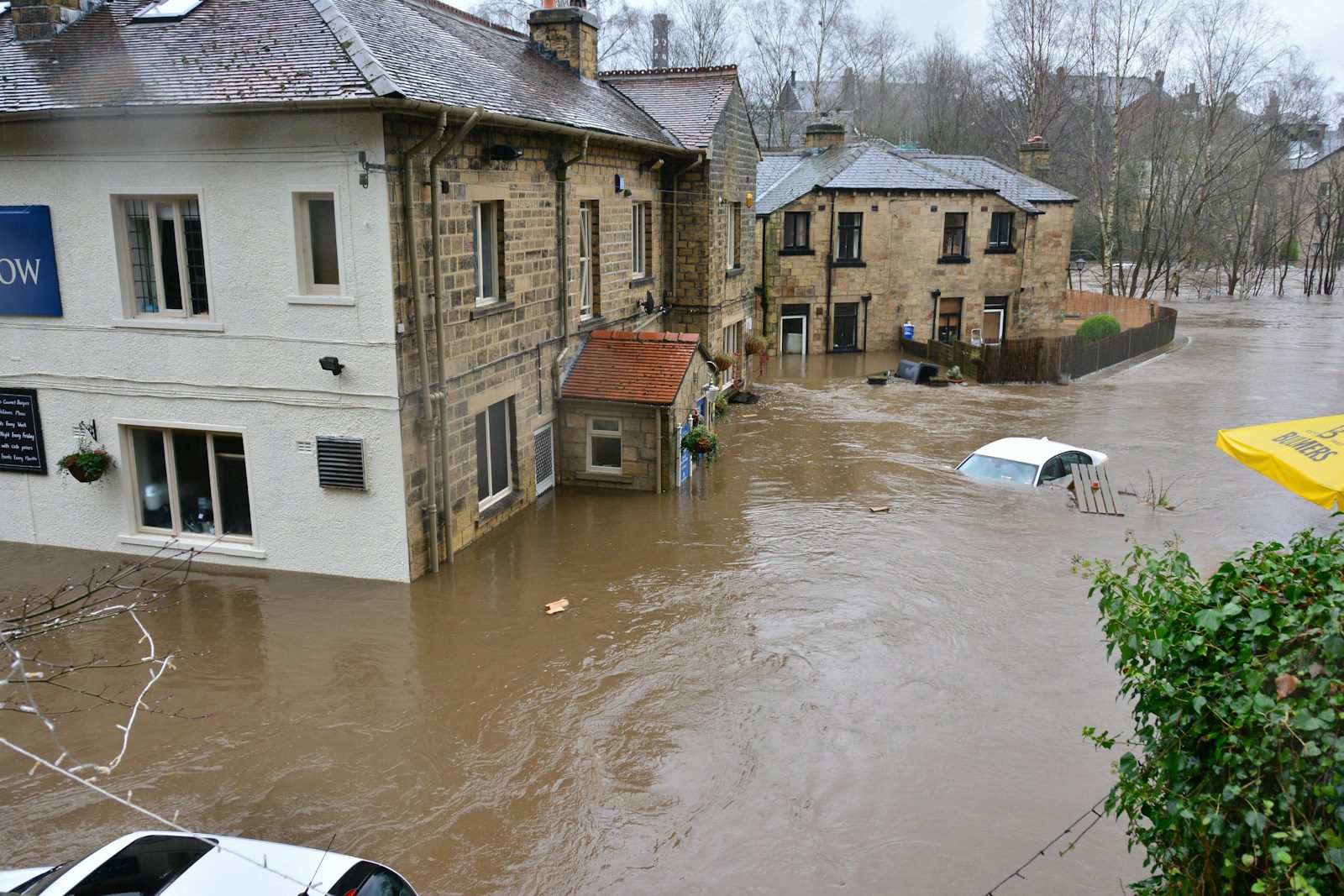
Water damage and freezing is the second most common cause of homeowners insurance claims in the country, running about 1.61 claims for every 100 insured homes and an average payout near $13,954, according to data compiled by the Insurance Information Institute. A meaningful share of the basement flooding behind those numbers traces back to a spot nobody thinks to check until water is already pooling against the foundation: the window well sitting just outside a basement window. It is a small, unglamorous feature of a house, and it is also one of the more common points where fall rain finds its way indoors.
How a Window Well Actually Fails
A window well is supposed to have a drainage system underneath it, typically a perforated pipe surrounded by clean gravel that carries water away from the foundation instead of letting it collect. Over years, that drainage layer silts up with dirt and debris, and many older homes never had a proper drain connection installed in the first place, according to civil engineering analysis of common window well failures. Once the drainage underneath stops working, the well itself becomes a collection basin instead of a diversion point. Rain that would otherwise run off the yard gets funneled directly against a below-grade window, and if that window’s seal or the foundation gap around it isn’t perfect, which it rarely is after a decade or two, water finds its way through.

The Warning Sign Most Homeowners Miss
Standing water that doesn’t drain out of a window well within about 24 hours is the signal that the drainage system underneath has already failed, according to the same engineering analysis, and it typically means the problem will recur with every subsequent storm rather than resolve on its own. Poor grading compounds the issue: soil is supposed to slope away from a foundation at roughly an inch per foot for six to ten feet, and when that slope is flat or, worse, tilts toward the house, every heavy rain sends yard runoff straight into the well on top of whatever the well is already failing to drain. Gutters and downspouts that empty too close to the foundation add a third source of water converging on the same weak point, which is why a single storm can overwhelm a window well that seemed fine during lighter rain all season.
Why This Gets Blamed on Everything Except the Window Well
Homeowners filing a claim after a basement floods tend to focus on the storm itself, the sump pump that didn’t keep up, or a foundation crack discovered during cleanup, and all of those can be real contributors. What often doesn’t get flagged is the window well that let water reach the foundation wall in the first place, because it sits outside at ground level and rarely gets inspected unless something is visibly broken. A homeowner who has never had a flooding claim can go years without a reason to look closely at a window well’s drainage, right up until a fall storm exposes the gap all at once.
The Low-Cost Fix Most People Skip
A basic window well cover, simple lightweight plastic or polycarbonate, starts at around $30 for materials alone, with fully installed professional options ranging higher depending on size, material, and whether grading or drainage work is bundled in, according to cost data compiled by HomeAdvisor. A cover does not fix a failed drainage pipe underneath a well, but it does block the largest and most preventable source of water from ever reaching it: rain falling directly into the well itself. Paired with clearing debris out of the well and checking that nearby grading actually slopes away from the house, a cover addresses the most common failure point for a cost that is small next to the average water damage claim it is meant to prevent.
Why Insurers Rarely Volunteer This Information
A standard homeowners policy typically covers sudden water damage from a source like a burst pipe, but many policies exclude or limit coverage for water that enters gradually through a foundation or below-grade opening, which is exactly the failure mode a clogged window well produces. That distinction rarely gets explained until a claim is already being reviewed, and by then a homeowner is often learning for the first time that the flooding pattern behind their claim looks less like a covered loss and more like a maintenance issue that built up over multiple seasons. Asking an agent directly whether window well drainage and grading are covered, before a claim is ever filed, is one of the few ways to find out ahead of time rather than during a dispute over a denied payout.