


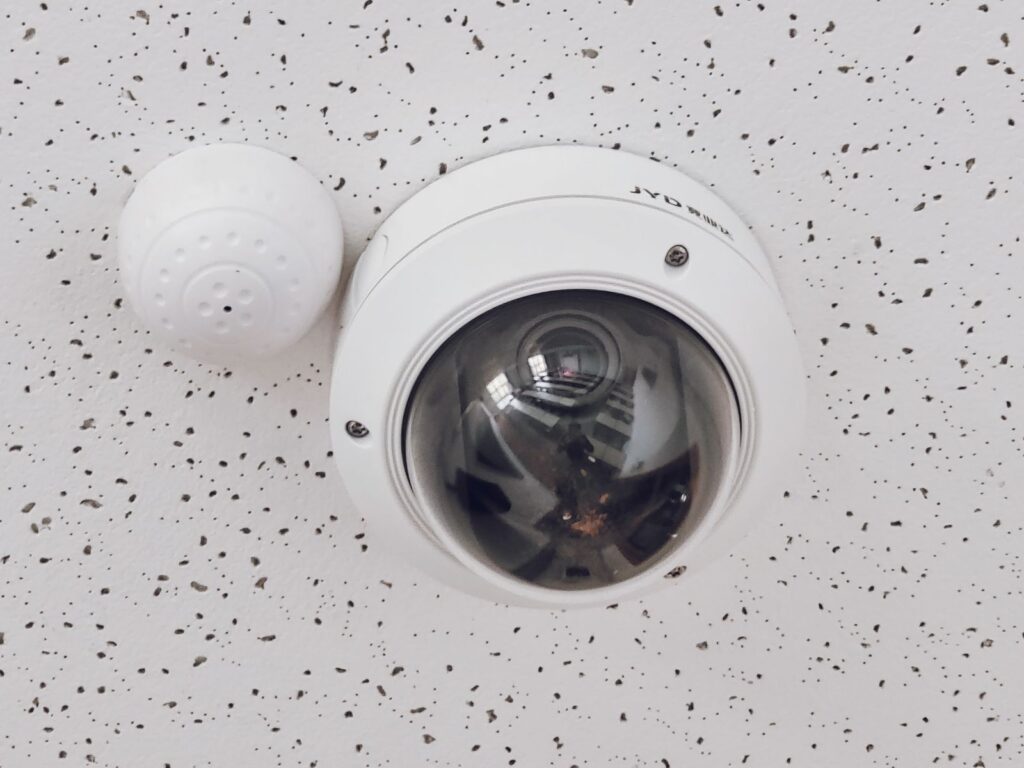
Homeowners installing their own security cameras and alarm systems have overtaken those paying a professional to do it, for the first time since tracking began, according to SafeHome.org’s annual home security industry survey. Self-installation now accounts for 49% of home alarm system setups, compared with 42% who hired a professional installer and 8% who moved into a home with a system already in place. One brand is driving a huge share of that shift: Ring alone holds 43% of the camera and security system market, nearly matching every competitor combined.
The Crossover Nobody Announced
Professional installation used to be the default for home security, largely because older camera and alarm systems required running wires, drilling through walls, and configuring a control panel that most homeowners weren’t equipped to handle themselves. That’s no longer true for a large share of the market. Wireless cameras, battery-powered doorbell units, and app-based setup have collapsed what used to be a half-day contractor job into something a homeowner can do in under an hour. The 49-to-42 split marks the first time DIY has actually outpaced professional installs in SafeHome.org’s data, not just narrowed the gap.

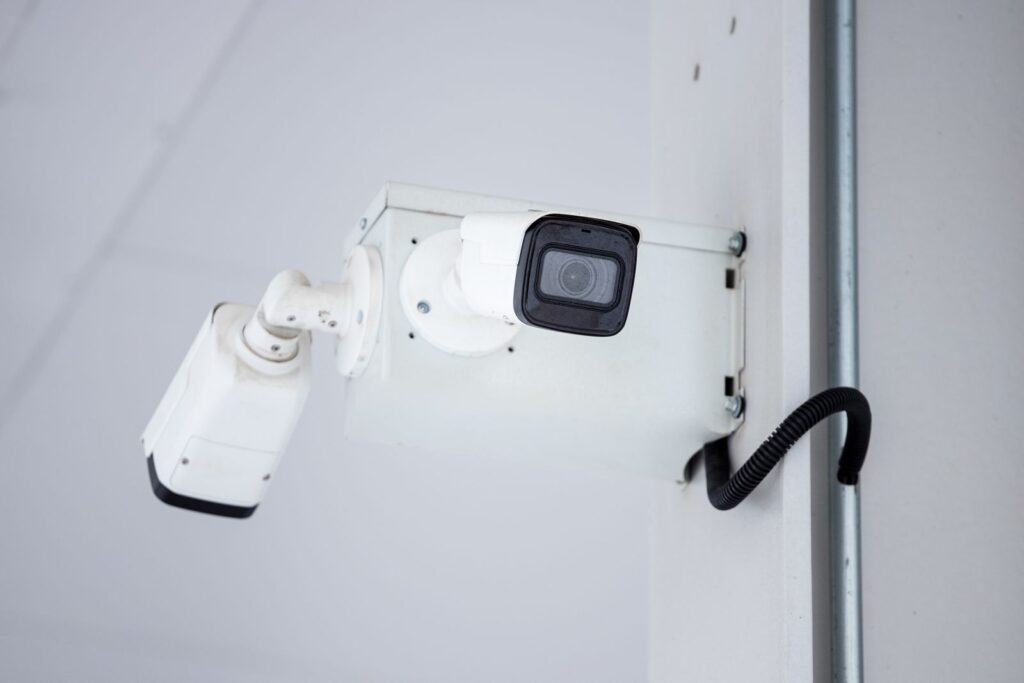
Younger Homeowners Are Driving the Shift
The DIY preference isn’t evenly distributed across age groups. SafeHome.org’s data shows 54% of homeowners aged 18 to 29 and 55% of those aged 30 to 44 chose to self-install their security systems, compared with just 38% of homeowners 60 and older. That gap tracks with general comfort installing app-connected smart home devices, but it also reflects a generational shift in what “installing a security system” even means: for younger buyers, it increasingly looks like mounting a doorbell camera and pairing it with a phone app, not scheduling a contractor visit.
Why People Are Choosing to Do It Themselves
Ease of use ranks as the top factor in the decision, cited by 50% of respondents, ahead of monthly subscription cost at 46% and ease of self-installation specifically at 31%, according to SafeHome.org. That ordering matters: homeowners aren’t necessarily choosing DIY because installation itself is easy, they’re choosing systems that are easy to use day to day, and self-installation happens to be the path that gets them there without a service contract or a scheduled appointment. Cost pressure is compounding the trend. SafeHome.org found 12% of respondents delayed a security system upgrade due to inflation, and 6% canceled or downgraded an existing monitoring subscription, with renters affected disproportionately.
Ring’s Dominance Explains Part of the Crossover
A single brand holding 43% of the market is unusual for any consumer electronics category, and it helps explain why DIY has pulled ahead so decisively. Ring built its business model around exactly the kind of self-install, app-paired hardware that’s driving the broader shift, a doorbell camera a homeowner mounts themselves in minutes, with no contractor visit required. ADT, historically the face of professionally monitored home security, trails at 10% market share, and Google Nest sits at 7%. The concentration around one DIY-native brand suggests the installation-method crossover and the brand-share numbers are really describing the same underlying shift, not two separate trends.
The Trade-Offs DIY Buyers Are Accepting
Choosing self-installation isn’t free of downsides, even when the hardware itself is inexpensive. Professionally installed and monitored systems typically include 24/7 emergency dispatch tied directly to local police or fire departments, something most self-installed camera systems don’t offer without paying for a separate monitoring add-on. DIY buyers are also fully responsible for their own placement decisions: camera blind spots, poor Wi-Fi coverage at the property line, or a doorbell mounted at an angle that misses a porch package are common mistakes that a professional installer would typically catch during setup. For homeowners choosing DIY specifically to save on the monthly cost, it’s worth checking whether the system still supports professional monitoring as a later add-on rather than requiring a full hardware swap.
What This Means Going Forward
The professional installation model isn’t disappearing: complex whole-home systems, wired setups, and integrated monitoring still often call for a technician. But for the entry-level camera and doorbell category that makes up a growing share of the home security market, the crossover suggests professional installation has become the exception homeowners reach for when a system is unusually complex, rather than the default they start from.