Front-load washing machines clean clothes better than top-loaders, using less water and less detergent while being gentler on fabric, which is exactly why so many households upgraded to one. What buyers didn’t sign up for is the smell. In Consumer Reports’ latest owner survey, 16 percent of front-load washer owners reported dealing with mold, mildew, or odor problems, a complaint that barely registers among top-load households. The design that makes front-loaders efficient is the same one that traps moisture where it can’t easily escape, and the fix manufacturers actually recommend has nothing to do with detergent brand or wash cycle.
Why the Design Itself Is the Problem
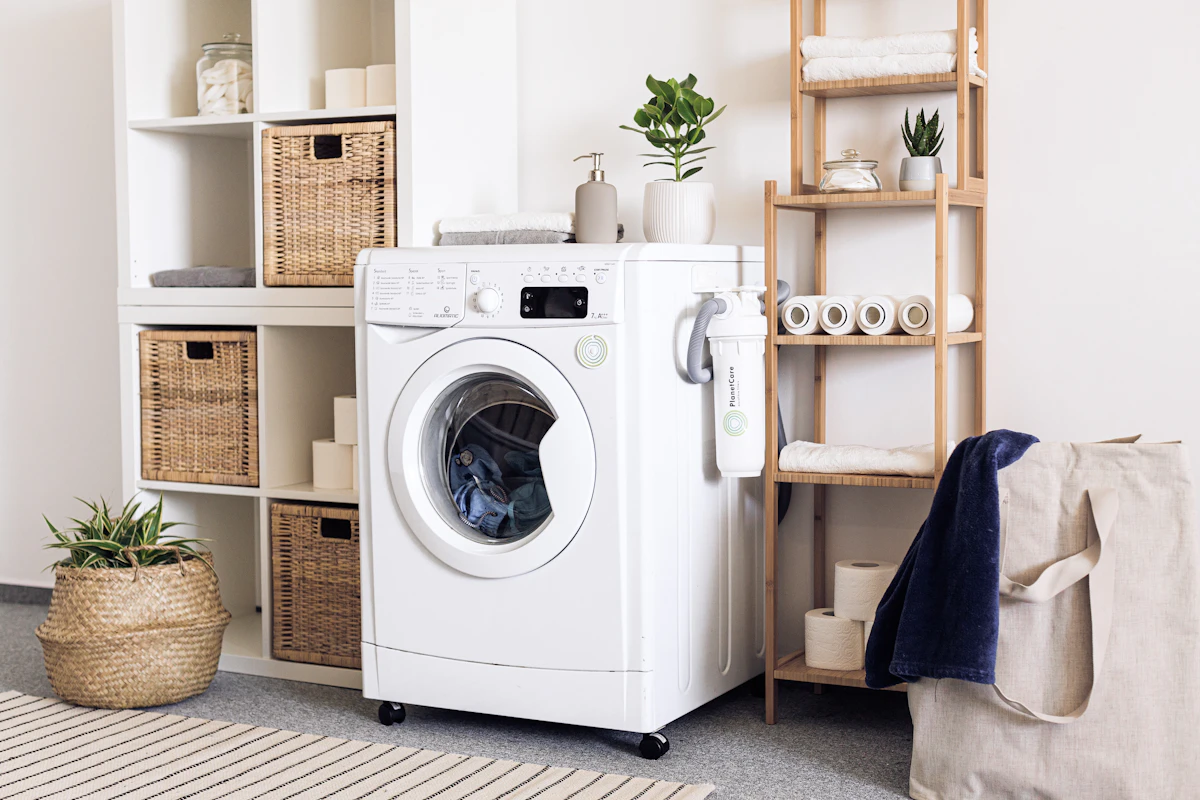
A front-load washer seals shut with a rubber gasket around the door, and that gasket is what makes the efficient, low-water wash possible in the first place. It’s also where the trouble starts. Water, detergent residue, and fabric softener collect in the folds of that gasket after every load, and unlike a top-loader’s open tub, a sealed front-loading drum doesn’t air out on its own between washes. Consumer Reports warns that stray socks and small items can get trapped in the gasket’s folds unnoticed, sitting in damp darkness for days and developing mold in exactly the spot most owners never think to check.
How Big the Problem Actually Got
The mold issue wasn’t a minor annoyance for some owners. It became a legal one. NBC News reported that Whirlpool, Maytag, and Kenmore sent settlement notices to nearly 5.5 million people after a class-action lawsuit, first filed in 2006, over front-loaders that developed foul-smelling mold on their front gaskets that contaminated freshly washed laundry. A separate settlement involving roughly 800,000 LG front-loaders followed the same pattern. Whirlpool maintained in that case that fewer than 4 percent of its customers had complained, but the volume was still large enough to justify a nationwide settlement rather than years more of litigation. The alleged defect, according to the reporting, was straightforward: the machines lacked a way to self-clean the crevices behind the tub where water and soap residue built up without enough water flow to rinse them away.
The Habit That Manufacturers Say Actually Prevents It
The advice that came out of those settlements is the same advice appliance makers and Consumer Reports give every front-load owner today, and it costs nothing. Consumer Reports recommends leaving the door “ajar or wide open between loads to allow moisture to escape,” rather than closing it right after the cycle ends, since a sealed, wet drum is exactly the environment mold needs. The same guidance calls for periodically pulling back the gasket by hand, wiping it clean, and drying it, since that’s where trapped water and debris accumulate out of sight. NBC News’ reporting on the settlement noted that Whirlpool and Maytag advised the same door-open habit years before the lawsuits, along with running periodic cleaning cycles, though the companies acknowledged many customers found that guidance came too late or wasn’t communicated clearly enough to prevent the damage already done.
Why the Habit Gets Skipped So Often
Leaving a washing machine door propped open runs against how most people are used to treating appliances, closed and out of the way, and that instinct is part of what lets the problem develop in homes that otherwise take good care of their machines. Consumer Reports’ own guidance for households with young children adds a caveat: an open washer door in a shared laundry space needs to be balanced against keeping curious kids from climbing in, which means the fix sometimes requires a door lock or a laundry room that can be closed off rather than simply leaving the appliance door open around the clock. That trade-off, more than any detergent choice or wash setting, is what separates the front-load owners still dealing with odor complaints from the ones who aren’t.
What Top-Load Owners Get to Skip
None of this means top-load washers are immune to every laundry problem, but their open-top design and shallower gasket exposure mean moisture typically evaporates on its own between loads, without anyone needing to remember a habit at all. That’s the practical difference behind Consumer Reports’ 16 percent figure: front-load owners are dealing with a design that requires an ongoing maintenance habit to stay odor-free, while top-load owners are largely getting that same protection built in by default. For anyone shopping for a new washer with mold complaints in mind, the brand on the front panel matters less than whether the household is willing to leave that door open every single time.
A front-loader isn’t destined to smell any more than a top-loader is destined to stay fresh forever; it comes down to whether the door gets left open long enough for the one part of the machine doing all the sealing to actually dry out.