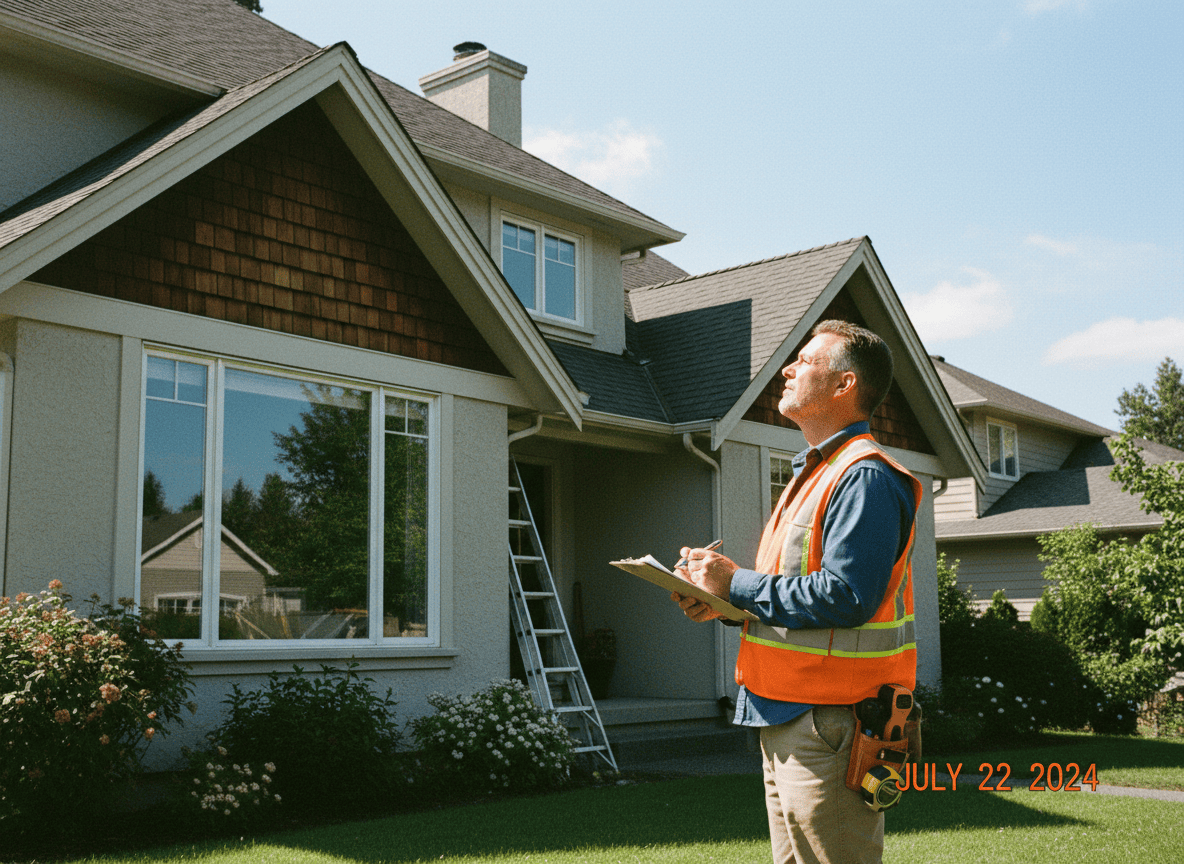
No insurance trade group publishes a single national figure for how much faster a homeowner needs to document storm damage to avoid a denial — anyone who tells you the industry has settled on a precise number, 72 hours or otherwise, is rounding a much messier reality down to a soundbite. What state insurance regulators and the industry’s own claims research do show, consistently, is that speed and documentation quality are two of the strongest levers a homeowner controls once a storm passes, and that waiting until a ceiling actually leaks — rather than documenting the roof damage that caused it — measurably worsens the outcome.
What Regulators Actually Tell Homeowners to Do
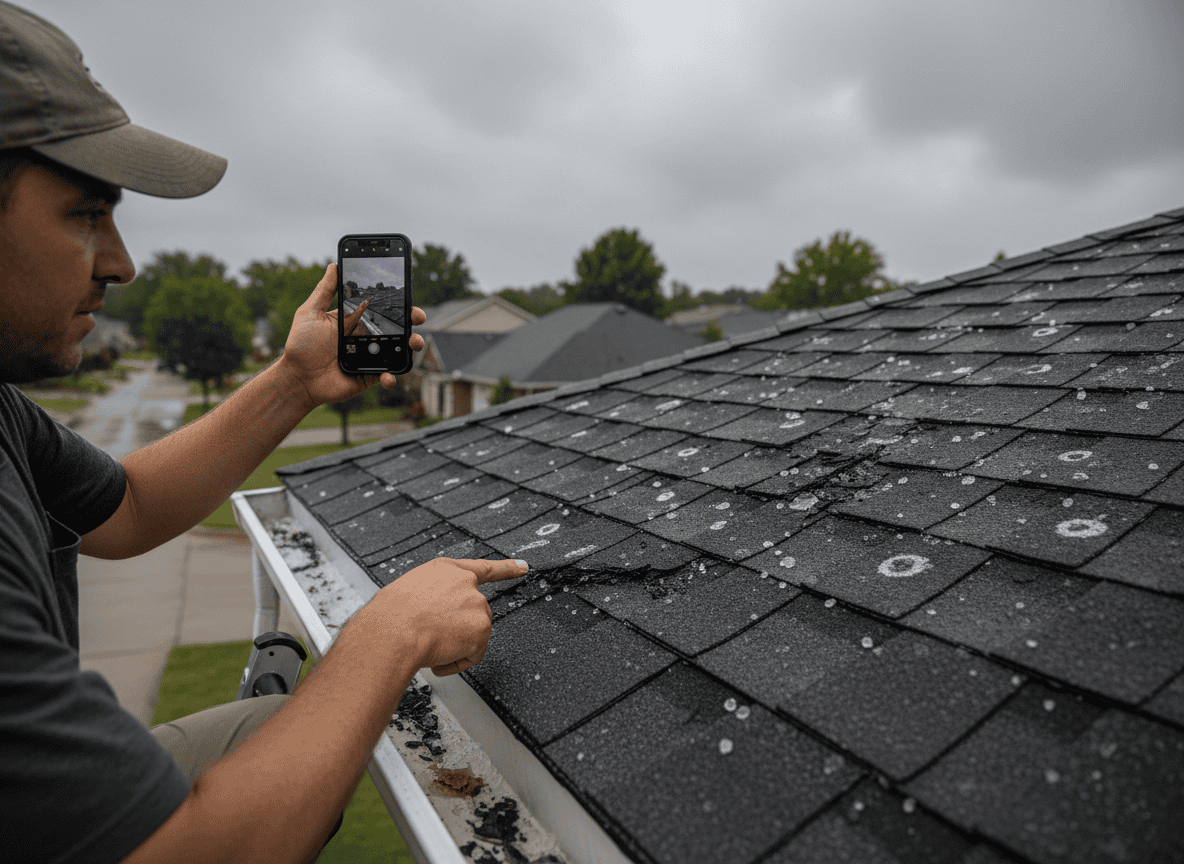
State insurance departments that issue storm guidance are unusually consistent on this point. The Colorado Division of Insurance advises homeowners to start photographing damage as soon as it’s safe to do so, explicitly because adjusters “may not get to you immediately” after a widespread event — insurers can be juggling thousands of claims at once in the days after a regional storm. New Jersey’s Department of Banking and Insurance guidance goes further, instructing policyholders to photograph all damaged property before disposing of anything and to keep damaged materials on hand until the insurer inspects them or explicitly approves their removal. That last point trips up more homeowners than any deadline technicality: a roof tarped, patched, or replaced before an adjuster or a phone photo can verify the original damage gives an insurer room to argue over what actually happened and when.
The Data on Speed and Claim Outcomes
The clearest evidence that documentation timing affects real outcomes comes from J.D. Power’s 2026 U.S. Property Claims Satisfaction Study. Homeowners who used digital tools to submit photos for their claims reported meaningfully higher satisfaction scores than those relying on phone calls and adjuster-only visits, and the industry’s average time to final payment now runs 40.7 days — down 3.4 days from a year earlier, an improvement industry analysts tie directly to faster, better-documented initial filings. Only 49% of policyholders currently submit photos digitally at the time of filing, meaning roughly half the country is still filing the way homeowners did a decade ago: verbally, then waiting for someone to physically show up before any evidence gets recorded. That gap between the two approaches is where delay creeps in, and delay is what turns a straightforward roof claim into a disputed one.
Why a Leak Is the Wrong Trigger Point
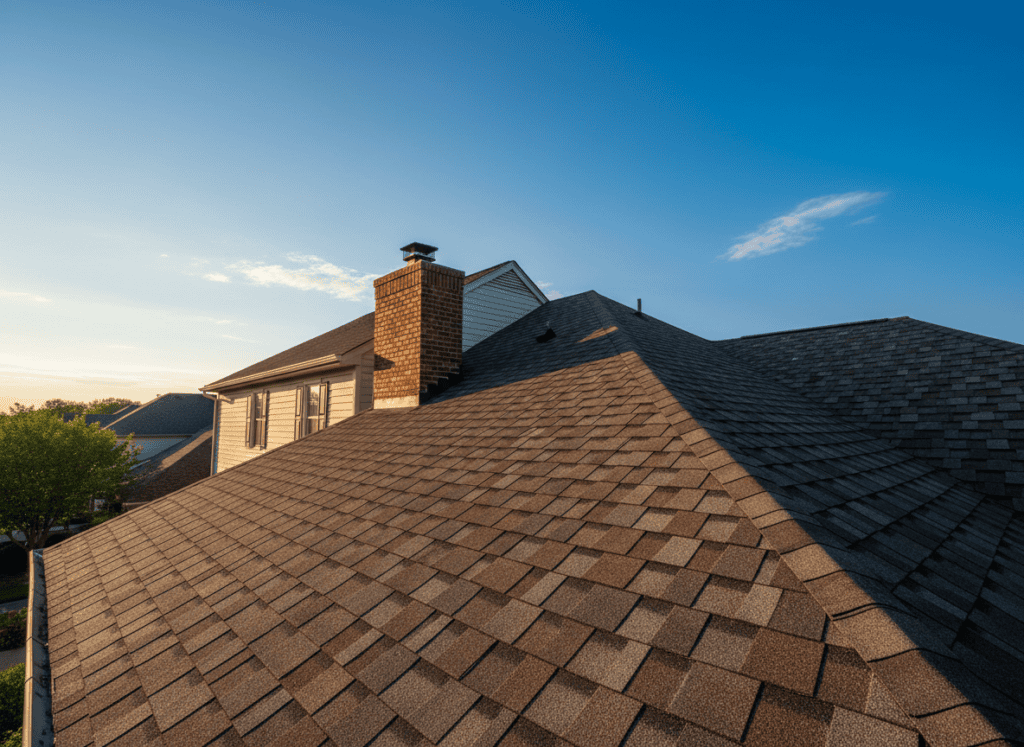
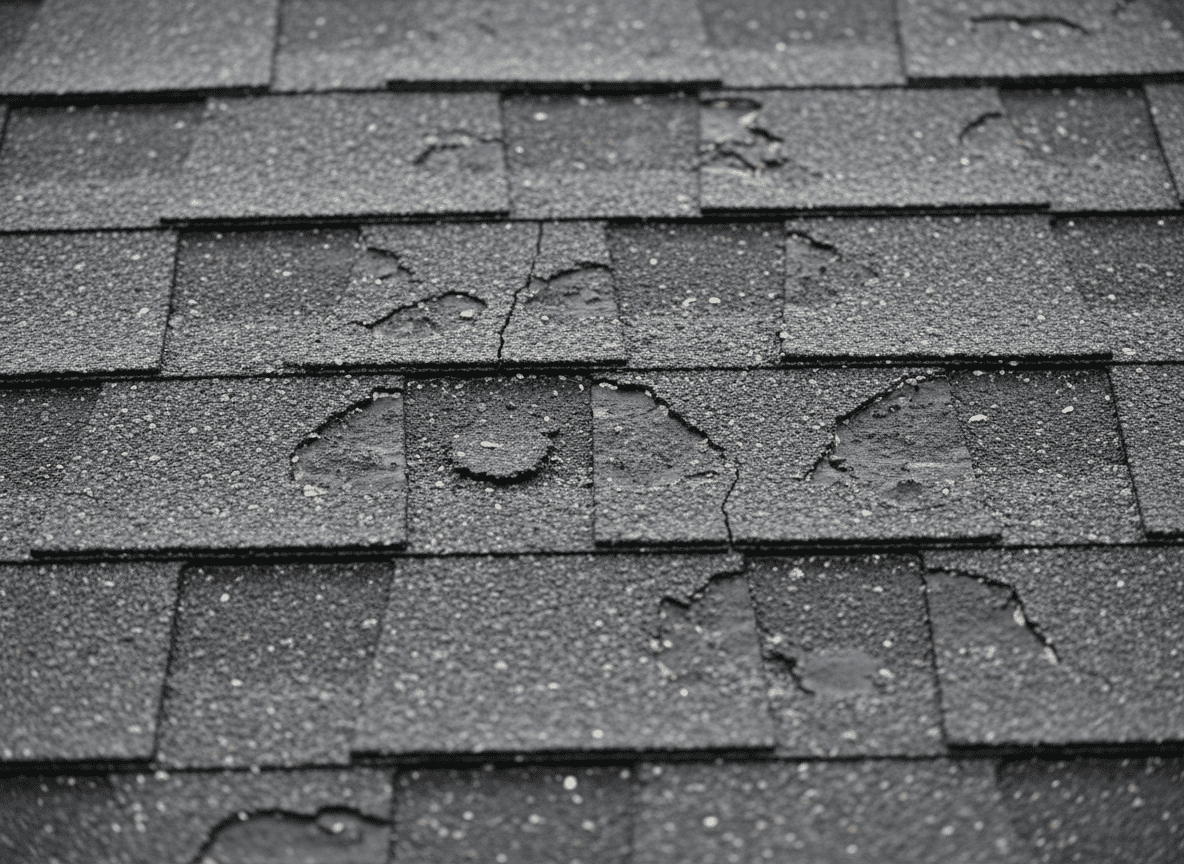
The instinct to wait until damage becomes undeniable — a stain spreading across a ceiling, water actively dripping — is understandable, but it works against the homeowner in a specific way. A leak is evidence of secondary water damage, not the storm event that caused it. By the time a ceiling shows a stain, the hail impact or wind-lifted shingle that started the problem may be weeks old, faded, or already washed out by subsequent rain. Insurers evaluating a claim need to connect the damage to a specific, datable weather event, and a fresh photo of cracked or missing shingles taken the day after a hailstorm does that job far better than a water stain discovered a month later with no documented cause.
What Homeowners Should Actually Do
- Photograph the roof from the ground and, if safely possible, up close, immediately after any hail, high-wind, or falling-debris event — even if no interior damage is visible yet.
- Do not repair, tarp permanently, or discard damaged material before the insurer has either inspected it or given explicit written approval to proceed.
- File the claim digitally with photos attached at the time of filing rather than waiting for a phone call and an in-person adjuster visit to generate the paper trail.
- Keep dated records — a phone’s photo metadata timestamp can matter if a claim is later disputed over when damage occurred.
There isn’t a single published industry number showing exactly how much a 72-hour delay increases the odds of denial — the studies that exist measure satisfaction, cycle time, and digital adoption rather than a strict before-and-after denial rate. But every piece of guidance regulators and insurers put in front of homeowners points the same direction: document immediately, keep the evidence, and don’t let a slow-forming leak be the moment a homeowner finally starts paying attention to a roof a storm already damaged weeks earlier.