


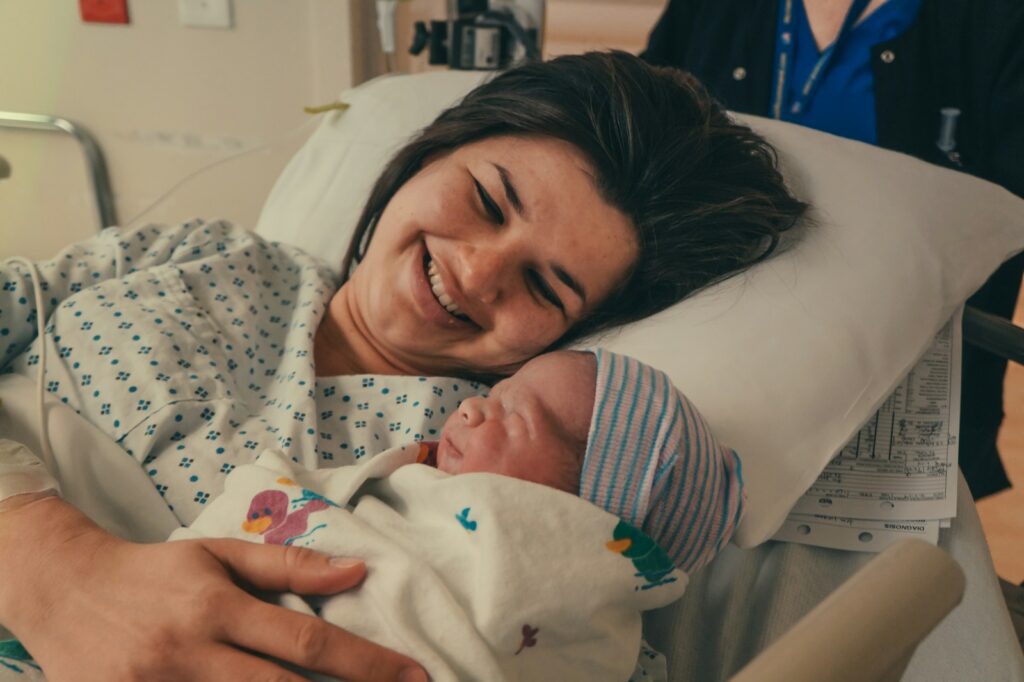
The story sounds almost impossible to believe: a Charlotte mother says hospital staff told her that her premature newborn had died, then called back to say the baby was actually alive, only to reverse themselves again and confirm the child was gone. Now, years later, she is back in court, arguing that she still does not know what really happened to her daughter. Her lawsuit claims not just devastating emotional harm, but a basic breakdown in the kind of trust every family expects when they walk into a delivery room.
At the center of the case is a young woman who says she has spent two years replaying those phone calls and staring at photos of the infant she buried, wondering if that baby was even hers. Her fight is not just about one hospital or one tragic night, she argues, but about whether any parent can feel confident that the most fundamental facts about their child’s birth and death are being handled with care.

The night everything went wrong
According to the complaint, the chaos started when the mother, identified in reports as Hunter, delivered a premature baby girl at a Novant Health facility in Charlotte in early 2022. The child, named Legacy, was fragile and tiny, and Hunter says she was quickly swept into a neonatal unit while her own condition was still being stabilized. In the lawsuit, Hunter claims that staff with the Hospital first told her family that Legacy had died, then later called back to say the baby was actually alive and on a ventilator. The suit says that brief surge of hope was shattered when another call came, again stating that the baby was dead.
Relatives who were with Hunter that night have described the scene as surreal and cruel, saying they watched her emotional state whiplash from grief to relief and back to shock in a matter of hours. One family member, according to the legal filings, confronted staff with the words, “You told her that her baby was dead!” as they tried to understand how such a basic fact could be miscommunicated. The complaint alleges that the hospital later documented that Legacy died in Feb, but Hunter contends that the sequence of calls and the lack of clear explanation left her unable to trust that record.
A mother who will not let the case go
Hunter’s legal battle is not new. She first sued Novant Health after Legacy’s death, then re-filed the case in Jan after a judge dismissed an earlier version on technical grounds. In the updated complaint, she again accuses the health system of negligence and intentional infliction of emotional distress, arguing that the conflicting death notifications and the way her baby’s body was handled have left her with lasting trauma. The re-filed suit, described in Jan coverage, says Hunter is still searching for basic answers about what happened in that neonatal unit.
In public comments, Hunter has said that for 2 years she has lived in a kind of suspended reality, planning birthdays that never happened and visiting a grave she is no longer sure belongs to her child. She has told reporters that she is not just seeking money, but clarity about whether the baby she buried was actually Legacy and why the hospital’s story changed so dramatically that night. The re-filed complaint, highlighted again in Jan reports, frames her as a mother who simply refuses to accept a story that does not add up.
Photos, DNA tests, and a haunting question
The most unsettling part of Hunter’s account might be what happened after Legacy’s reported death. When she finally saw the body that staff said was her daughter, Hunter says she immediately felt something was off. She has described the baby as looking larger and more developed than she expected for a child born so early, wrapped in layers of blankets that obscured key details. In interviews cited in Hunter coverage, she has said she walked away from that viewing with a gnawing suspicion that the child in front of her was not Legacy.
That doubt eventually pushed her toward science. The lawsuit notes that Hunter obtained two DNA tests on the remains she buried. One test reportedly returned a result that did not match her, while One later test suggested a match but with caveats about the accuracy of the sample and the way it was collected. In a separate account of the case, Hunter is quoted as saying, “This baby doesn’t have any marks,” pointing to the absence of medical lines or bruising she expected to see on a premature infant who had been in intensive care.
Novant’s silence and a system under scrutiny
Novant Health has not publicly walked through its version of the minute-by-minute events that night, citing patient privacy and ongoing litigation. In statements referenced in coverage of the re-filed suit, the system has generally said it is committed to safety, respect, and support for families, but it has not addressed the specific allegation that staff told Hunter three different things about whether her baby was alive. The complaint, summarized in You reporting, paints a picture of a communication breakdown so severe that it crossed the line from mistake into cruelty.
The case lands in a broader conversation about how hospitals handle the most fragile moments of life and death. Medical systems like Novant are under constant pressure to move quickly, manage complex technology, and communicate with families who are terrified and exhausted. When that communication fails, the damage is not just emotional, it can also erode public trust in an entire network of care. Hunter’s lawsuit, detailed again in Charlotte coverage, effectively asks a jury to decide whether what happened to her was a tragic anomaly or a sign of deeper systemic problems.
Not the first time a newborn was “dead” and then alive
As shocking as Hunter’s story sounds, it is not the only case in which a family has been told a newborn was dead, only to later learn the child was alive. In one widely cited incident, Two parents from Argentina were informed that their baby had died shortly after birth and was sent to a morgue. They discovered the infant still breathing hours later when they went to say goodbye, a moment that sparked outrage and a legal fight over how such a catastrophic error could happen. They later described the experience as a nightmare that turned into a miracle, but one that left them permanently distrustful of the medical system.
Cases like that one, and like Hunter’s, are rare but deeply destabilizing. They raise questions about how hospitals confirm deaths, how they track infants in neonatal units, and how they train staff to communicate with families in crisis. When a mother like Hunter is left wondering whether the baby she buried was actually her own, or when parents in another country find their “dead” child alive in a morgue, it suggests that the safeguards meant to prevent the unthinkable are not as airtight as people assume. Those stories also echo in communities far beyond the hospital walls, including places like Charlotte, where neighbors and other parents are now watching Hunter’s case and quietly asking what would happen if it were their child.
More from Decluttering Mom: