


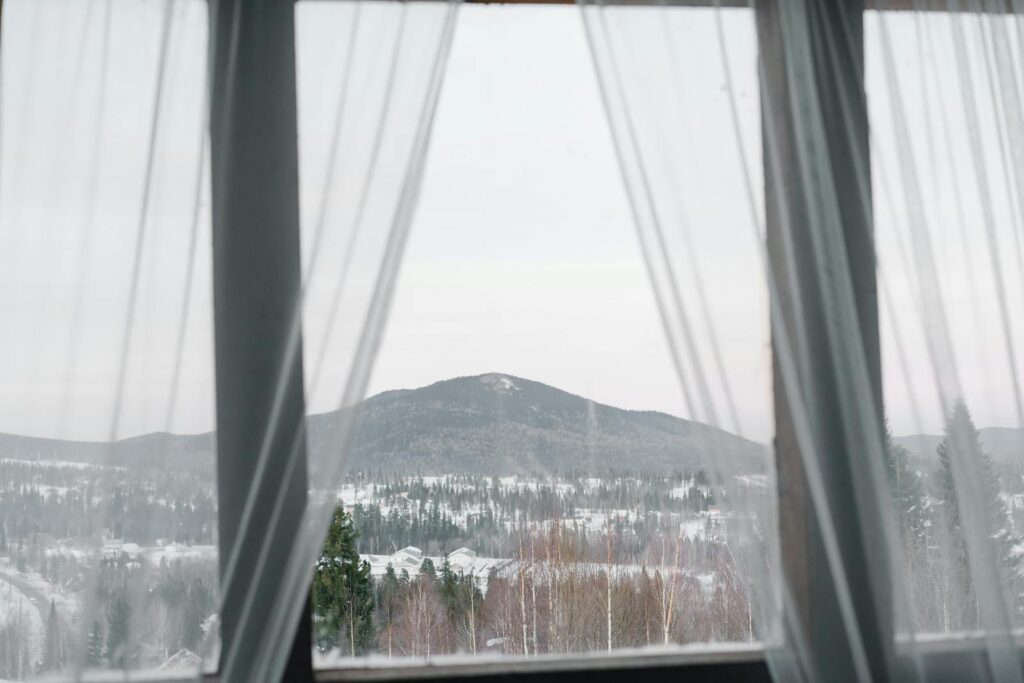
Winter wellness trends usually involve supplements, fancy lamps, or yet another breathing routine. This year, the buzziest ritual is a lot simpler: people are “burping” their homes, flinging open windows in short, sharp bursts and swearing they sleep better and get sick less. The habit sounds quirky, but it is rooted in a long‑standing German practice and backed by growing concern over what is actually floating around in indoor air.
Instead of simmering in stale heat all season, fans of this method are treating their houses more like lungs that need to exhale. They are timing quick ventilation sessions, tracking humidity, and comparing notes online about how a few minutes of cold air can reset a stuffy room. Behind the viral clips is a serious question: can this low‑tech ritual really nudge health, mood, and even mold risk in the right direction?
What “house burping” actually is


At its core, house burping is just structured airing out. The idea is to open windows wide for a short period, let a rush of outdoor air sweep through, then close everything back up before the space gets uncomfortably cold. In German households this is known as lüften, a daily ritual that treats ventilation as non‑negotiable rather than a once‑in‑a‑while chore. Instead of cracking a window all day, the focus is on brief, intentional bursts that swap out stale air and excess humidity in one go.
Recent explainers describe house burping as a simple way to flush out indoor pollutants and moisture that build up from cooking, showers, and even breathing, especially in tightly sealed modern homes. One guide notes that airing out is framed as an old‑school trick that fits neatly into a morning or evening routine rather than a weekend deep‑clean. The practice is less about obsessing over drafts and more about treating fresh air as a daily input, the same way people think about light or water.
How a German habit went global
House burping did not start on TikTok, but social media has turned lüften into a kind of lifestyle export. In Germany, opening windows wide for a few minutes is taught as basic home care, not a niche wellness hack. Clips circulating online show people throwing open casement windows in winter, timing the cross‑breeze, then shutting everything once the air feels crisp again. That rhythm has now been picked up by creators who frame it as a reset for both the home and the body.
Coverage of the trend points out that the underlying method is a long‑standing German practice that has only recently been spotlighted for American audiences. A viral post urging people to “burp your House before the big storm hits” described the habit as a “daily routine in Germany,” turning a regional norm into a cold‑weather challenge for viewers who had never considered flinging open their windows in January. That framing, half practical and half playful, helped the idea jump from European apartments to suburban cul‑de‑sacs.
Why people say it feels so good
Part of the appeal is immediate and sensory. After a night of closed windows and central heating, a room can feel heavy in a way that is hard to describe but easy to recognize. Fans of house burping talk about the almost instant lift when a cold gust cuts through that heaviness, the way a bedroom suddenly smells less like sleep and more like outside. The ritual has become a small act of control in a season when people spend long stretches indoors and often feel sluggish.
Writers who have tried the habit describe starting the day by opening a bedroom window “like the Germans do,” sometimes cracking a second window to create a cross‑breeze that clears the air in minutes. One walkthrough suggests that, depending on the weather, a few minutes is enough to make the space feel sharper and more awake. That small jolt of cold air can act like splashing water on a sleepy face, a low‑effort way to mark the shift from night to day without touching a phone.
The indoor air problem it tries to fix
Behind the cozy anecdotes is a more serious backdrop: indoor air quality is often worse than people assume, especially in winter. When windows stay shut, pollutants from gas stoves, cleaning products, candles, and off‑gassing furniture can accumulate. Add in moisture from showers and cooking, plus the carbon dioxide that builds up when several people share a room, and the air can quietly drift away from the crisp, oxygen‑rich mix that bodies prefer.
Scientists who have weighed in on the trend note that the benefits of this kind of targeted ventilation are real. One analysis points out that indoor air, particularly in well insulated homes, can accumulate pollutants and humidity that affect both respiratory health and sleep. Brief, repeated exchanges with outdoor air help dilute that buildup, which is why public health guidance has long emphasized ventilation in schools and offices. House burping is essentially a home‑scale version of that same logic.
Health perks: from sleep to sickness season
People who swear by house burping often start with comfort, then quickly pivot to health. They report fewer headaches, less grogginess, and a general sense that their homes feel “lighter” after they build the habit into their day. Some also say they sleep more deeply when they air out bedrooms in the evening, arguing that cooler, fresher air makes it easier to fall and stay asleep. While individual experiences vary, the pattern lines up with research showing that stuffy, warm rooms can disrupt rest.
Public health experts have also linked better ventilation to lower transmission of respiratory viruses, which is why the German practice of lüften is sometimes described as a way to “keep sickness away.” Commentators have noted that TikTok is full of America based creators calling house burping a “mom hack” and claiming it helps families dodge winter bugs. While that kind of anecdote is not a clinical trial, it does echo long‑standing advice to crack windows when someone is ill so that virus‑laden aerosols do not linger as long in shared air.
Humidity, mold, and why Florida is talking about it
In cold climates, the focus is often on stale air and sleep. In warm, damp places, the conversation quickly turns to mold. Excess humidity is a quiet menace, feeding mildew in bathrooms, closets, and behind furniture. House burping, when done thoughtfully, can help nudge indoor moisture back into a safer range by letting drier outdoor air mix with the saturated air trapped inside, especially after showers or cooking sessions.
One explainer aimed at Gulf Coast residents spells this out directly, describing how “burping your home” means opening windows and doors briefly to prevent the buildup of moisture and pollutants. That advice has resonated in Florida, where air conditioning runs heavily and homes can become sealed boxes that trap damp air. By pairing short ventilation bursts with dehumidifiers or well maintained HVAC systems, homeowners are trying to cut down on the conditions that let mold quietly spread behind the scenes.
How to “burp” a house without freezing
The practical question is how to do this without turning a living room into a walk‑in freezer. Advocates suggest thinking in terms of minutes, not hours. The basic playbook is to pick a time when everyone is up and moving, open at least two windows on opposite sides of a room or hallway, and let a cross‑breeze form. After a few minutes, once the air feels noticeably fresher, the windows are closed again so the walls and furniture, which still hold heat, can quickly warm the space back up.
One step by step guide recommends starting the day by opening a bedroom window, or two for a cross‑draft, and then repeating the process in main living areas later on. The same piece notes that airing out eliminates stale odors and that fresh air is invigorating, which is why some people time their ventilation with other morning rituals like coffee or stretching. The key is consistency: a few short, daily bursts do more for air quality than a single marathon airing once a month.
What experts say about risks and limits
As with any trend, there are caveats. In very cold regions, flinging windows open during a deep freeze can stress heating systems and spike energy bills if people overdo it. There are also safety concerns in areas with high outdoor pollution or wildfire smoke, where opening windows at the wrong time can make indoor air worse, not better. Experts suggest checking local air quality reports and being strategic rather than treating house burping as a rigid rule.
Some coverage has highlighted that the practice is not magic, just one tool among many. A segment framed as The Brief on the trend noted that house burping, also called lüften, is meant to reduce humidity and refresh air but works best alongside other basics like exhaust fans and regular cleaning. Another report quoted a specialist warning that if windows stay closed for too long, humidity can rise, a point underscored in a follow up that stressed how quickly moisture levels can rise in sealed homes. The message is clear: ventilation helps, but it does not cancel out every other factor.
From TikTok trend to daily ritual
What started as a quirky phrase has already settled into daily life for many people. Social feeds are full of before and after clips, with creators swinging open windows, showing curtains billow, then cutting to cozy scenes once everything is closed again. The tone is often playful, but underneath is a quiet shift in how people think about their homes, not just as shelters from the weather but as environments that need active tending.
One viral post urging viewers to “Burp your House before the big storm hits” framed the habit as a kind of pre‑game for bad weather, something to do before hunkering down. A video explainer described the craze as a growing trend inspired by the age‑old German practice of airing out by briefly opening windows, emphasizing real benefits like preventing mold and cutting down on stale odors. As more people fold the habit into their routines, the viral label matters less than the simple fact that their homes feel better.
Why it fits the current wellness mood
House burping has landed in a cultural moment that is already obsessed with cold exposure, breathwork, and other back‑to‑basics rituals. The same crowd that experiments with ice baths and structured breathing is primed to see a quick blast of winter air as a kind of micro‑dose of discomfort that pays off in clarity and calm. It is no coincidence that the language around lüften often overlaps with talk of “resetting” the nervous system or “clearing” energy, even when the underlying mechanism is simply better ventilation.
One popular framework for this mindset comes from the Benefits of the breathing method, which promises increased energy and a heightened sense of alertness through controlled stressors like cold water immersion. While house burping is far gentler, it taps into the same instinct to use simple environmental tweaks to feel more alive. Opening a window for a few minutes in midwinter is not as dramatic as plunging into an ice bath, but for many, it is a more realistic way to bring a bit of bracing air, and a small sense of agency, into everyday life.
More from Decluttering Mom: