


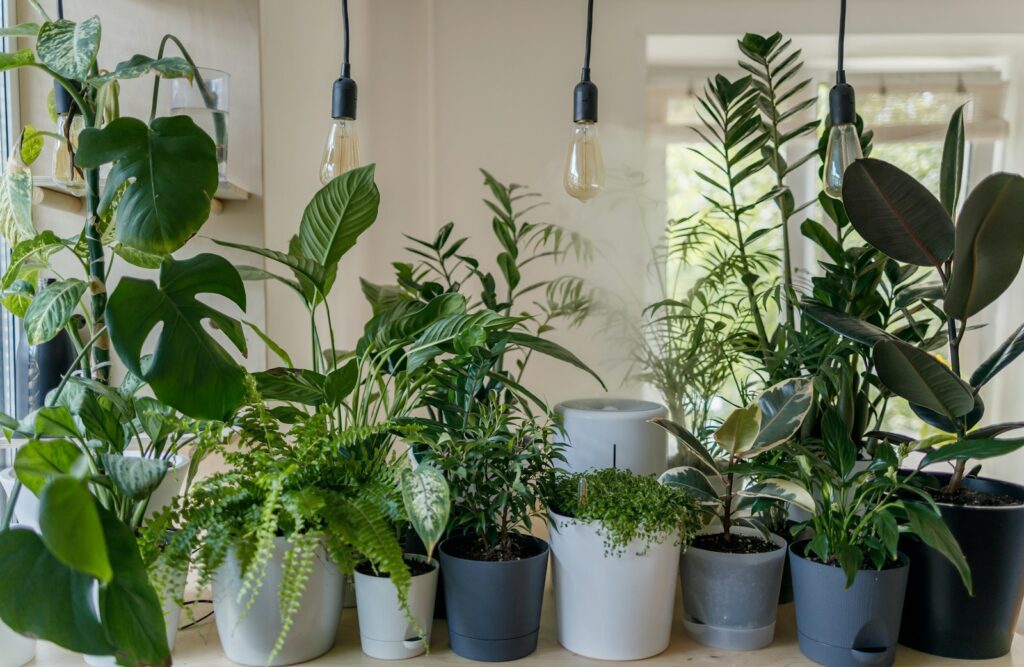
Once nighttime temperatures dip toward 45 to 50 degrees Fahrenheit, the clock starts running on every houseplant still sitting on a patio or porch, according to University of Minnesota Extension horticulturists. Below that threshold, tropical plants that spent the summer soaking up outdoor light can suffer real damage in a single cold night, and the shock doesn’t always show up right away. Leaves that look fine on Tuesday can turn yellow, wilt or drop entirely by the weekend. The fix isn’t complicated, but it does depend on getting the timing and the transition itself right, not just the calendar date.
Why the Move Has a Deadline
Most common houseplants, pothos, philodendron, tropical hibiscus, succulents that spent the summer outside, are native to climates that never see temperatures anywhere near freezing. Extension horticulturists point to the 45-50°F mark as the point where cold stress begins, well before an actual frost. That means the real deadline arrives earlier than a lot of homeowners assume, often in mid-to-late September across much of the northern and central U.S., and waiting for a frost warning to act is already too late for some species.

Check for Hitchhikers Before They Cross the Threshold
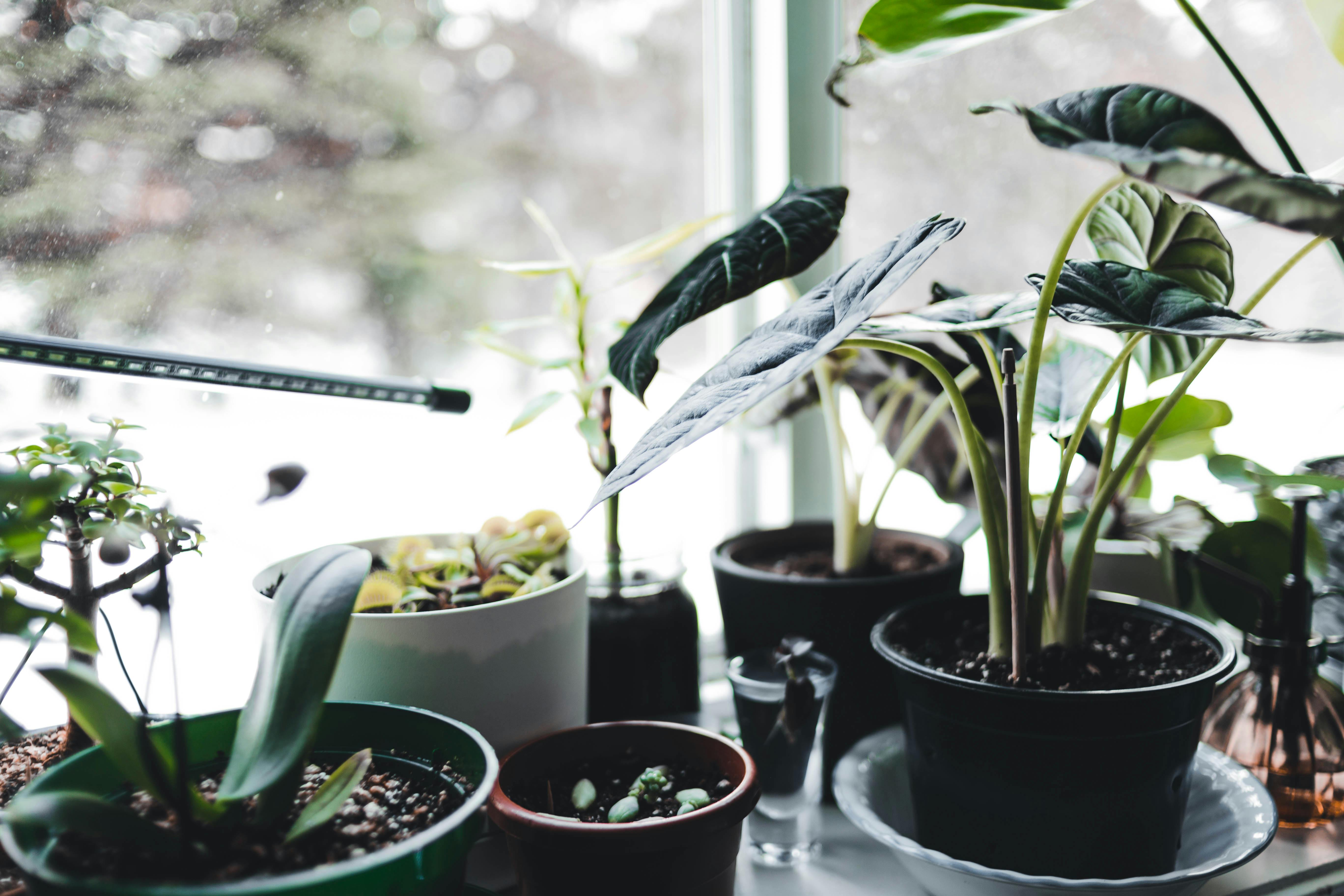
Plants that lived outdoors all summer almost always bring guests: aphids, spider mites, and other soft-bodied insects that have been living undisturbed in the soil and under leaves. Extension guidance recommends bathing or soaking pots in a bucket of water with mild dishwashing soap, spraying larger plants down to knock off dust and pests, and washing both sides of every leaf so the soapy solution reaches down into the soil line. Wiping down the outside of the pot matters too, since pests overwinter in the rim and drainage holes as easily as in the foliage. Skipping this step is how a single plant turns into an indoor infestation by November.
Don’t Rush the Light Change
A plant that’s had full sun all summer and gets dropped straight into a dim corner is going through more stress than the temperature swing alone would cause. The recommended approach is to bring plants in initially to the sunniest window available, then gradually shift them toward their permanent, lower-light spot over one to two weeks rather than moving them all at once. That gradual step-down lets the plant adjust its internal chemistry to reduced light instead of dropping leaves in protest, which is the most common way transition shock shows up.
Watering Needs to Drop Too
Indoor air in fall and winter is drier in some ways but plants also stop growing as actively once light levels fall, so the outdoor watering schedule from July won’t work in October. Overwatering a plant that’s already stressed from the move is one of the fastest ways to compound the damage, since root rot on top of cold stress rarely ends well. Letting the top inch or two of soil dry out between waterings, and checking rather than watering on a fixed schedule, gives the plant room to recover instead of drowning while it’s already struggling to adjust.
Timing Shifts With USDA Zone
Where a home falls on the USDA Plant Hardiness Zone map changes how much runway there is. Gardeners in colder zones (roughly zone 5 and below) are often working against a first frost by late September or early October, which means the 45-50°F threshold can arrive weeks before any frost warning does. Warmer zones, 7 and up, generally get into October or November before nights consistently dip that low, buying more time to prune, repot, or take cuttings before the move indoors. Either way, the trigger to watch is the nighttime low, not the date on the calendar.
Consider Pruning Before the Move Indoors
Extension horticulturists also suggest using the transition as a natural checkpoint for pruning, repotting, or taking cuttings, since a plant that grew leggy or oversized outdoors is easier to manage before it’s competing for space on a windowsill. Cutting back overgrown stems reduces the leaf area the plant has to support through a period of lower light, and any cuttings taken now have a head start rooting indoors before the plant’s growth slows for winter. It’s also the easiest time to check root-bound pots, since the plant is already out of its summer spot and being handled anyway.
What Rushing the Move Actually Costs
Plants that go from a warm, humid patio into a cold snap and then straight into a dark hallway are absorbing two or three stressors at once, and most houseplants can only tolerate so much simultaneous change. A little more attention in late September, soap, a gradual light step-down, a lighter hand with the watering can, is what separates a plant that sails through winter from one that’s dropping leaves by Thanksgiving.