


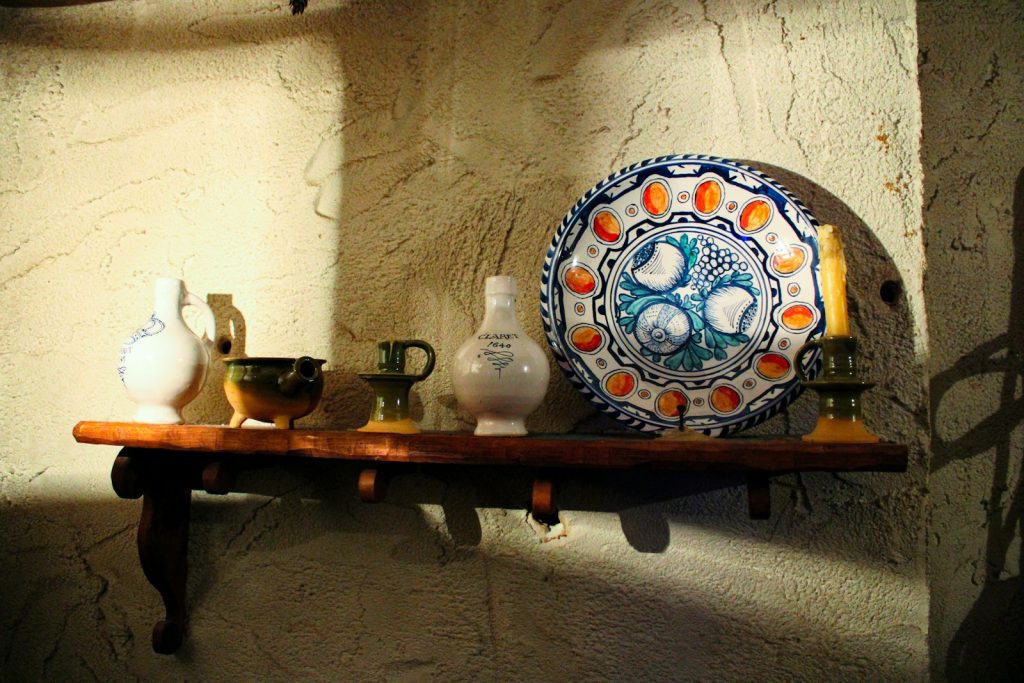
If you’ve ever peeked into a dusty cabinet or inherited a stack of vintage plates, you might wonder, how can I tell if this dishware is valuable? The truth is, value comes down to a few key factors like the maker, pattern, condition, and how sought-after the pieces are today. Identifying the brand and pattern correctly is the most important step to figuring out if your vintage dishware holds any real worth. I’ve learned that not all old dishes turn into treasure overnight, and many pieces don’t necessarily increase in value just because they’re aged. Some patterns from brands like Royal Copenhagen or Herend are known to fetch a higher price, but many others simply hold sentimental value or modest resale potential. Knowing what patterns buyers want now can make a big difference in finding a good price.
Besides the maker and pattern, condition matters a lot, and things like gold trim or damage can lower value fast. It’s also helpful to understand modern tastes and current demand since some styles sell better than others. If you want to dive deeper into how to spot valuable vintage dishware, I’ll share tips that helped me sort through my own collection. For more detailed guidance, check out this guide on spotting valuable vintage dishware.

Recognizing Valuable Vintage Dishware
Knowing what makes vintage dishware valuable means looking closely at who made it, the patterns, and when it was produced. Some brands are renowned for quality and collectible status. Also, rare patterns or limited editions often carry more value. Age and production dates can tell you if a piece is truly antique or just vintage.
Identifying Notable Brands and Makers
When I check my vintage dishes, the maker’s mark is the first clue. Brands like Wedgwood, Spode, Royal Copenhagen, Noritake, and Limoges stand out. These names are known for fine craftsmanship and are more likely to be valuable.
For example, Royal Copenhagen pieces with the classic blue-fluted pattern carry a reputation for quality and often hold steady value. Wedgwood and Spode are famous for their historical significance in fine china, making their items more desirable.
Also important is whether the dishware is made of bone china or other fine materials. Bone china from these makers usually has a translucent quality and a delicate, strong structure, often more sought after by collectors and sellers. Checking the backstamp or signature can help you confirm authenticity and brand.
Spotting Rare Patterns and Limited Editions
Not all vintage china is equally valuable. I always look for unique patterns or limited editions. Some patterns, like Royal Copenhagen Flora Danica, can fetch hundreds of dollars per piece because they’re rare and highly detailed.
Other sought-after patterns include Limoges china with hand-painted floral designs and certain Noritake lines, especially those with intricate gilding or unusual color combinations.
Seasonal or holiday patterns might look charming but usually have lower value unless they’re very old or extremely rare. Gold trim, while beautiful, can sometimes reduce value because many buyers avoid pieces that can’t be dishwasher or microwave safe.
If you’re unsure about a pattern, websites like Replacements Ltd. have databases you can search to compare your dishes and see current market demand or prices.
Evaluating Age and Production Dates
Age is important but tricky. Not every old dish is an antique. Generally, pieces over 100 years old qualify as antiques; those 50 to 100 years old are considered vintage. I look for date marks or indicators on the back of pieces to estimate their production year.
Many well-known makers, like Wedgwood and Spode, changed their backstamp designs over time. Learning these changes can help me narrow down the production period of my dishware accurately.
Early porcelain or bone china from the 19th century often carries more value, especially if the set is intact and in good condition. However, newer, rare limited runs can be valuable too.
Checking for historical significance, such as commemorative editions, can enhance a piece’s worth, especially if well documented. Overall, knowing a dish’s age helps me decide if it fits the collectible category or is simply charming vintage china.
For a guide on identifying some of these markers and pieces, this article about valuable vintage dishware is a useful resource.
Essential Factors That Influence Value
When I look at vintage dishware, some key things stand out that help me figure out what’s truly valuable. It’s mostly about the condition of the piece, its history, and how well it was made. Knowing these details makes it easier to spot fine china or antique dishware that’s worth selling or keeping.
Assessing Condition and Authenticity
Condition really matters. I check carefully for chips, cracks, or repairs. Even small flaws can drop the value significantly, since buyers want pieces that look great and can last.
Authenticity is next. I look for maker’s marks on the bottom of plates or cups. These stamps tell you who made it and when, which confirms it’s not a cheap reproduction. Bone china, for example, has specific marks that help prove its value.
If a dish has gold trim, I examine it closely since wear or fading on the trim can lessen interest. Also, original boxes or documentation add value, while plain old wear or dishwasher damage usually lowers it.
Understanding Historical Significance
The history behind dishware can add real value. I try to learn if a pattern is tied to a particular era or event. For example, patterns that were popular during the early 1900s or linked to well-known manufacturers tend to be more valuable.
I focus especially on antique dishware that’s at least 100 years old, since age combined with rarity often matters. Some old dishes represent craftsmanship styles that are no longer made, making them collectible.
Certain historical brands like Royal Copenhagen or Herend have pieces that hold or increase in value because of their reputable history and quality, which vintage dishware enthusiasts appreciate.
Examining Material and Craftsmanship
Material makes a big difference. Fine china and bone china are usually more valuable than porcelain or common ceramics. Bone china is prized for its lightness, translucency, and durability, so I always check what type I’m handling.
Craftsmanship also stands out. Hand-painted details, intricate floral patterns, or unique designs increase the worth. Mass-produced dishware generally isn’t as valuable.
When I look at a piece, I notice the glaze quality and whether the design is applied smoothly or looks rushed. Superior craftsmanship shows in sharp details and consistent coloring, which buyers often seek out.
Top Tips for Researching and Selling Vintage Dishware
Knowing where and how to research your vintage dishware can make a big difference in getting the best value. It’s important to explore online selling platforms, get expert opinions, and understand what collectors and buyers are currently interested in.
Leveraging Online Marketplaces
When I started selling vintage china, eBay was my go-to place. It offers a vast global audience, making it easier to find buyers interested in specific old dishes or patterns. Browsing completed listings on eBay helps me see what similar pieces have sold for, which sets realistic price expectations.
Listing items with clear photos and detailed descriptions boosts my chances of a good sale. I always mention maker marks, condition issues, and any unique design features. Shipping can be tricky and pricey, so I pack carefully and factor shipping costs into my price.
Consulting Appraisers and Experts
Sometimes, I bring valuable or unclear pieces to a professional appraiser. They can confirm if a dishware set is genuinely antique (usually 100+ years old) or just vintage, and offer an accurate valuation.
Experts often know about rare makers and sought-after patterns that I might miss on my own. If you can’t visit one in person, online appraisals or antique shops can be good alternatives. Their insight helps me avoid underselling or overestimating the value of my collection.
Researching Demand and Supply Trends
One thing I learned early on is that not all vintage dishware is equally wanted. Patterns that are still popular with collectors or newlyweds rebuilding family sets tend to have higher prices.
I track trends by checking sites like Replacements Ltd. and monitoring thrift stores to see what’s available. Popular items like Herend, Royal Copenhagen, or certain Christmas patterns usually hold value better. Also, pieces with gold trim or less practical designs often sell slower today.
Key tips for success: focus on patterns in demand, avoid overstocked items, and watch how market prices fluctuate over time.
For more details on spotting valuable vintage dishware, visit this guide to spotting valuable vintage dishware.
Popular and Collectible Dishware Brands to Look For
Knowing which brands are sought after can help you spot vintage dishware that holds value. Some brands stand out due to their history, craftsmanship, or unique designs. Paying attention to these details can make all the difference.
Wedgwood and Its Iconic Designs
Wedgwood is a name I often hear when talking about collectible fine china. Founded in the 18th century in England, it’s famous for elegant patterns like Jasperware and the classic Blue Fluted designs. Their pieces often feature delicate relief work and soft colors, making them timeless.
I’ve noticed that Wedgwood dinnerware is durable but refined, often made in bone china, which adds to its collectible appeal. However, not all Wedgwood patterns are equally valuable—rarer or discontinued patterns tend to fetch more on the market.
Limoges and French Elegance
Limoges is synonymous with luxury when it comes to vintage dishware. Originating from the Limoges region in France, these pieces often feature hand-painted floral or intricate scenic designs. The porcelain is finely crafted, typically marked with “Limoges” on the back.
I find Limoges china particularly prized for its delicate bone china material and the artistry involved. Collectors look for condition, detailed handwork, and the specific maker’s mark to assess value. Authentic Limoges pieces carry a strong reputation for quality and elegance.
Royal Copenhagen’s Coveted Creations
Royal Copenhagen, hailing from Denmark, is best known for its Blue Fluted Plain and Flora Danica patterns. I find these very collectible because of their detailed hand-painted designs and the brand’s stringent quality standards. Flora Danica, in particular, is one of the most expensive patterns you might come across.
Their porcelain is usually marked with a crown and three wavy lines, helping identify genuine pieces. The craftsmanship and limited production runs make Royal Copenhagen pieces highly sought by collectors who appreciate fine bone china with a Scandinavian touch.
Noritake, Spode, and Other Noteworthy Names
Noritake offers a wide variety of vintage dishware, often combining Japanese precision with Western designs. Known for bone china with delicate, colorful patterns, Noritake pieces are generally durable and affordable collectibles.
Spode is another classic English brand, famous for its “Christmas Tree” pattern and other floral designs. Spode uses fine bone china and is noted for craftsmanship dating back to the 18th century. Both Noritake and Spode pieces often show marks that help determine age and authenticity.
These brands stand out for their consistent quality and appeal among collectors, making them worth looking for when thrifting or buying vintage dishware.