


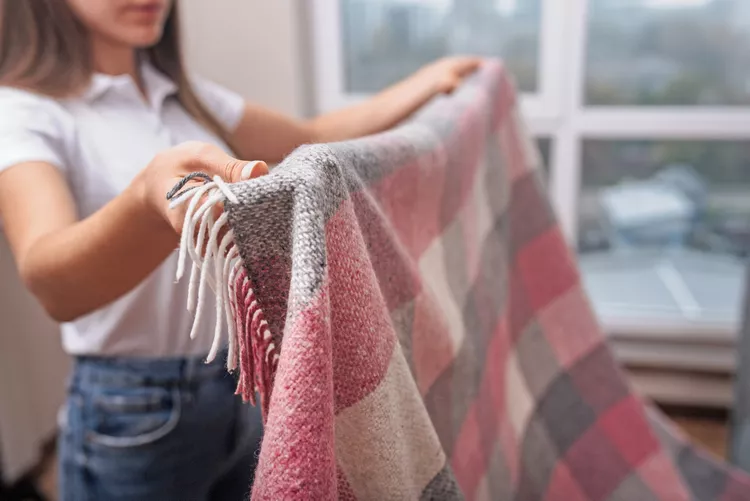
Holiday blankets do more than keep a room warm; they set the tone for the entire season, from movie marathons to guest-room touchups. Thrifting the right one lets me layer in nostalgia, texture, and color without paying luxury prices or sacrificing quality.
Finding that perfect secondhand throw is not luck, it is a process that blends design instincts, fabric knowledge, and a few practical hygiene checks. By approaching the hunt like a reporter, looking closely at materials, construction, and condition, I can walk out of a thrift store with a blanket that feels festive now and holds up for many winters to come.
Clarify your holiday blanket style before you shop
I start any blanket hunt by deciding what role the piece needs to play, because a couch throw for movie nights has different demands than a decorative layer at the foot of a guest bed. For a living room, I look for throws that echo my existing palette in deeper, wintry tones, then add one or two bolder patterns so the blanket reads as intentional decor rather than an afterthought. Holiday textiles in reds, greens, creams, and metallic accents can instantly shift a room into seasonal mode, especially when they echo the kind of Quilts and throws that are already proven to transform a space.
Once I know the mood I am chasing, I get specific about patterns and motifs so I am not distracted by every cute find on the rack. Classic plaids, cable knits, and subtle snowflake jacquards tend to age better than novelty prints, but I make room for one standout piece that captures a tradition, like a blanket tied to a favorite film. Reports on holiday decor note that Character blankets from beloved holiday movies can be the rare exception where sentiment justifies paying a bit more, as long as the quality holds up.
Know which materials actually feel cozy and last
Material is the first filter I apply, because no amount of pattern can fix a scratchy or sagging fabric. Natural fibers like cotton and wool tend to breathe better and age gracefully, while synthetics like polyester and acrylic can deliver that plush, ultra-soft feel if the weave is dense and the fibers are not already matted. Guidance on how to spot a Good Quality Blanket emphasizes that a throw should feel substantial in the hand, drape smoothly, and spring back when lightly stretched, all signs that the yarns and construction can handle repeated use.
At the rack, I run my fingers along the edges and across the center to check for pilling, thinning spots, or areas where the nap has gone flat, which can signal that the material is starting to break down. Holiday-specific advice on thrifting warns that some delicate synthetics will eventually disintegrate if they have been washed aggressively or stored poorly, so I avoid anything that feels brittle or squeaks when I rub the fibers together, a red flag echoed in guidance on Character blankets and other themed throws. When I find a fabric that feels both soft and resilient, I know I am closer to a blanket that will survive more than one holiday season.
Inspect condition like a pro before you commit
Once a blanket passes the style and fabric tests, I shift into inspection mode, treating the piece like a used car that needs a full walkaround. I hold it up to the light to scan for stains, then fold it back on itself to check seams, binding, and fringe for loose threads or uneven wear. Expert thrifters recommend walking away from textiles with structural damage or deep discoloration, a principle that shows up in fashion advice that flags items where There is major damage or fabric that is stained beyond repair, especially in delicate materials.
Smell is another non-negotiable test, and I do not skip it even if it feels slightly awkward in a crowded aisle. One seasoned blanket hunter who reported adopting Sep crochet throws from thrift stores describes always checking for any unpleasant odor with a light sniff before purchase, because some smells never fully wash out. I follow the same rule: a mild mustiness that smells like storage is manageable, but anything that hints at mildew, smoke, or heavy perfume is a sign to put the blanket back, no matter how charming the pattern.
Prioritize hygiene and cleaning plans from the start
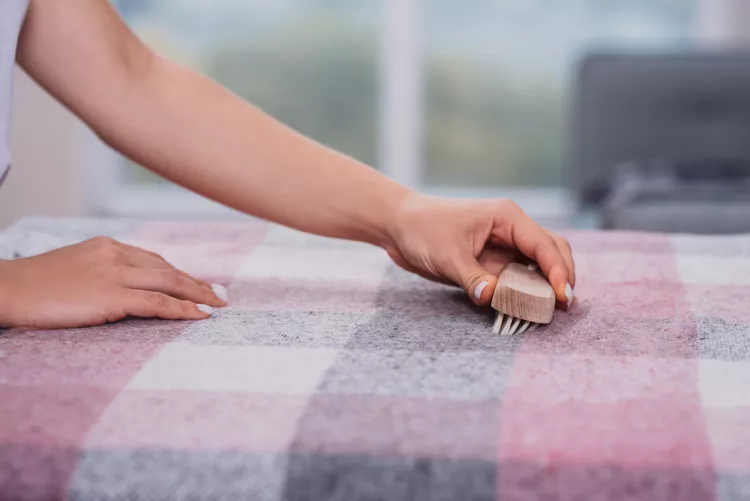
Before I ever reach the checkout, I decide exactly how I will clean a blanket once it comes home, because not every thrifted textile can handle the same treatment. Bedding experts advise shoppers to Cleaning Thrifted Bedding by examining items for signs of pests, dirt, or damage, then keeping them in a sealed plastic bag until they can be washed thoroughly. I mirror that protocol with blankets, isolating them in a bin or bag in my car and home so anything lurking in the fibers does not spread to my existing linens.
Once I am ready to wash, I match the method to the material and construction, erring on the side of gentle cycles and cooler water for anything vintage or hand-knit. Some holiday thrifting guides recommend laundering soft goods with a dedicated sanitizer, and I have seen home decorators swear by using Lysol laundry additives on clothes, blankets, and scarves to kill lingering bacteria without relying solely on high heat. For delicate prints or older synthetics, I follow advice to wash in cold water and hang dry, a routine that shows up in guidance on caring for holiday throws so the fibers stay intact instead of shrinking or warping after one spin in the dryer.
Shop with a strategy, not just holiday impulse
Thrift stores are unpredictable, so I treat blanket hunting as an ongoing beat rather than a one-day assignment. Decor experts who specialize in secondhand finds stress that Thrift store inventory changes frequently, which means regular visits dramatically increase the odds of landing a standout throw before someone else grabs it. I build blanket checks into other errands, swinging through the linens aisle whenever I am nearby so I can spot fresh donations in real time.
Patience matters as much as persistence. Wedding and event planners who rely on secondhand decor note that Thrifting can be hit or miss, and that it is a mistake to write off a store after one disappointing visit because inventory rotates so often. I apply the same logic to holiday blankets: I keep a running list of target shops, rotate through them every week or two in the lead-up to the season, and accept that some days I will walk out empty-handed. The payoff is that when the right blanket appears, I recognize it instantly and do not hesitate.
Use thrifted blankets as the backbone of cozy holiday decor
Once a blanket passes all the practical tests, it becomes a powerful styling tool that can anchor an entire room. I like to treat a standout throw as the starting point for a vignette, draping it over the back of a sofa, layering it at the foot of a bed, or folding it into a basket near the fireplace so the color and texture are always in view. Holiday decor guides describe Textiles That Transform Your Space, pointing out that quilts, throws, and pillows in seasonal hues can create instant coziness and carry a room long after the tree comes down.
Thrifted blankets also offer a low-cost way to experiment with bolder choices that might feel risky at full retail price. One decorator who leans heavily on secondhand finds frames Thrifted Blankets and Throws as Affordable Cozy Decor that lets people test patterns and colors until they land on combinations that truly reflect their taste. I follow that lead by pairing a vintage tartan throw with modern neutral furniture, or layering a hand-knit afghan over a sleek duvet, using the contrast to keep holiday styling from feeling flat or overly matchy.
Layer patterns and textures with an eclectic editor’s eye
Holiday decorating rewards a bit of eclecticism, and blankets are one of the easiest places to play with that mix. I aim for a balance where no single pattern overwhelms the room, which usually means pairing one bold motif with two or three quieter companions. Style guides on mixing vintage and thrifted decor encourage shoppers to trust their instincts and not be afraid to dig through piles, offering Tips for Thrift Store Treasure Hunting Shop that include shopping often and letting personal taste lead the way rather than chasing trends.
Texture is just as important as pattern, especially in winter. I like to combine a smooth cotton quilt with a chunky knit throw and a faux-fur or fleece layer so the stack looks inviting from across the room and feels satisfying in use. To keep the arrangement from turning into a jumble, I repeat one or two colors across all the blankets, then vary the scale of patterns so a large plaid sits next to a tiny herringbone or a solid. When I edit with that kind of intention, the final mix looks curated rather than chaotic, even if every piece came from a different thrift store bin.
Store, rotate, and upcycle blankets so nothing goes to waste
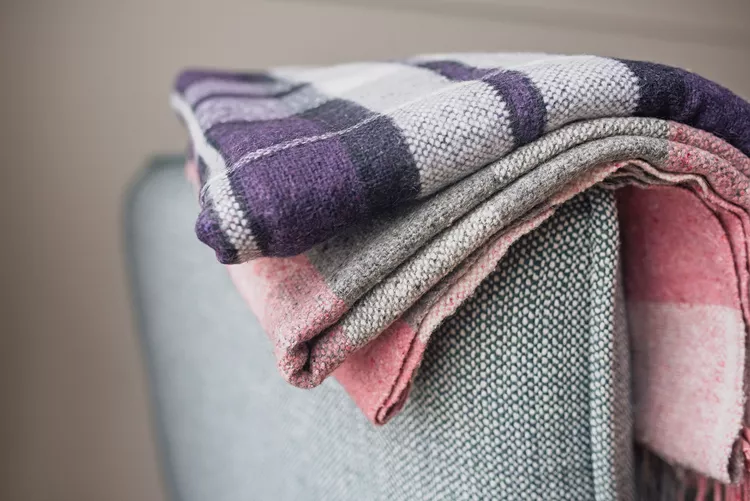
Even the blankets that no longer fit my style can have a second life. Textile companies that specialize in plush throws point out that older pieces can be turned into pet bedding, car emergency kits, or donation items, outlining several ideas for What to do with Old Blankets once they have aged out of regular rotation. I have cut worn throws into smaller lap blankets, used them as protective layers when moving furniture, and set aside the best sections for sewing projects like pillow covers. Treating every blanket as a resource rather than clutter keeps the thrifting cycle sustainable and makes room, both physically and mentally, for the next great find.
Turn blanket thrifting into a sustainable holiday ritual
Over time, hunting for holiday blankets can become less of a scramble and more of a ritual that shapes how I approach the season. I map out my favorite shops, note which ones tend to stock more textiles, and plan visits around donation cycles so I am there shortly after new inventory hits the floor. Decor bloggers who live in the secondhand world emphasize that Thrift store success is a long game, built on regular check-ins rather than one marathon trip, and I have found that mindset especially useful when I am looking for something as specific as a holiday throw.
That patience pays off not only in aesthetics but in sustainability. By choosing secondhand blankets instead of buying new, I keep textiles in circulation and reduce demand for resource-intensive manufacturing, all while building a collection that feels personal rather than cookie-cutter. Holiday decor guides that center on Affordable Cozy Decor and sustainable celebrations frame thrifting as a way to align festive traditions with long-term values. When I treat each blanket purchase as a deliberate choice, backed by careful inspection and a clear plan for use, the result is a home that feels warm, welcoming, and grounded in stories that stretch far beyond a single holiday season.
More from Decluttering Mom: