

One mom was left unsettled when she tried to have a private conversation with her husband, only to have him tell her to “shut the fuck up.” This wasn’t the first time something like this had happened. Since the birth of their son two years ago, she noticed a significant change in his behavior. He seems to believe that he can do no wrong, while she feels like she can’t do anything right.
Feeling trapped, she expressed her fear that her situation could ruin her son’s life, whether she stayed in the marriage or left. This overwhelming sense of uncertainty has her questioning what the future holds for her family. The lack of communication is baffling. Even though she feels like she’s begging for basic respect, her husband shows no interest in seeking couples therapy. This dismissal deepens her feelings of isolation and confusion.

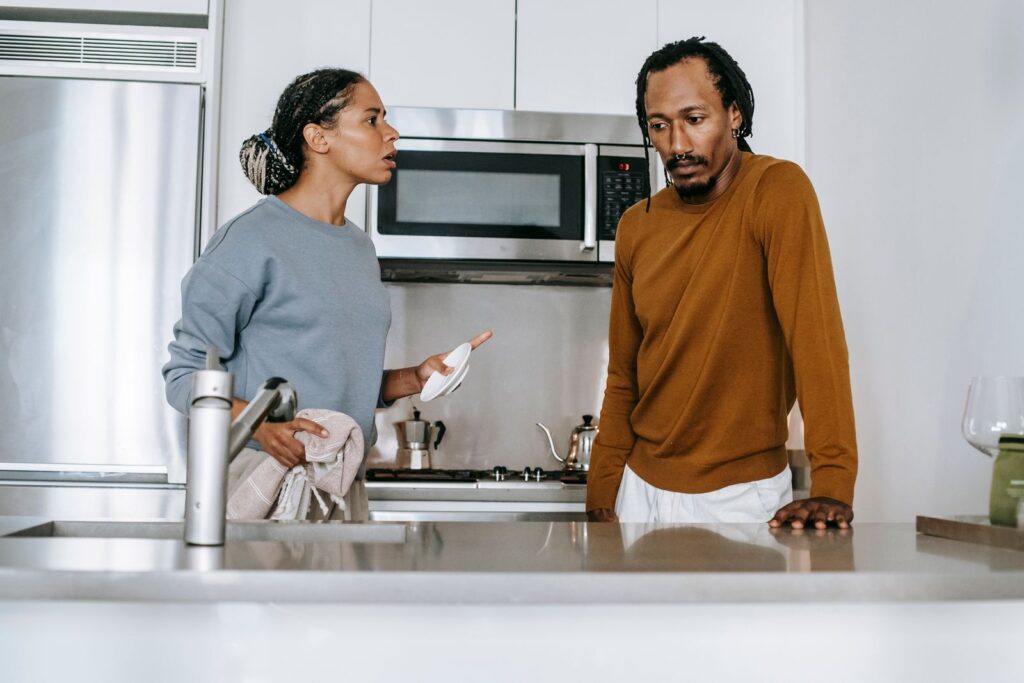
Many people had very different reactions to her post. Some pointed out that her husband’s response was completely unacceptable, questioning how anyone could talk to their partner that way. They highlighted the importance of communication in a healthy relationship, suggesting that his refusal to consider therapy raises serious red flags. For them, it’s a sign of unwillingness to address underlying issues, which can lead to resentment and further conflict.
Others noted that this kind of behavior isn’t something that changes overnight. They suggested that postpartum changes might have impacted both partners differently. Some thought he could be struggling with his own feelings towards parenthood and that his harsh words might stem from fear or frustration rather than outright malice.
While many sympathized with her, others felt the need to challenge her perspective. A few asked why she was still in the relationship, wondering if staying was truly in her or her child’s best interest. They questioned whether she had the support necessary to navigate this tough situation and pointed out that her feelings of fear could create a negative environment for their child.
As the conversation unfolded, people shared personal stories about their own experiences. Some had faced similar issues and talked about how they found ways to address their partners’ behavior effectively. Their insights offered a glimmer of hope for the mom, showing her that change is possible, but it often requires both partners to be willing to participate in the process.
But in the midst of all this advice and support, the uncomfortable reality remains: How can one person initiate a conversation about change when the other party is unwilling? That question lingers in the minds of those reading, leaving them to wonder how many couples are trapped in similar dynamics without a clear path forward.
More from Decluttering Mom: