



That first drive home with an empty car seat can hit like a wave. A parent finally leaves their child at Grandma’s for the night, then spends the commute wiping tears and second‑guessing every decision. It may feel dramatic in the moment, yet the mix of relief, panic, and guilt is a textbook snapshot of early separation for both parent and child.
Behind that messy car‑cry is something deeply human. Parents are wired to protect, children are wired to cling, and the first real handoff to another caregiver pulls on both instincts at once. The question that loops in the parent’s mind, “Am I overreacting?”, usually has a simple answer: emotionally, no. Practically, it depends on what they do with those feelings.

The Empty Car Seat And The Loud Quiet
Psychologists describe separation anxiety as a normal phase of development, and it does not just belong to babies. Children often protest when a parent leaves, and parents can feel a parallel spike of worry, sadness, or even panic when they walk away. Clinical descriptions of Separation anxiety spell out the child side of this story, but the parent side often looks like that silent, shaky drive home and a phone clutched in a white‑knuckled grip. Professionals who study parental distress around goodbyes describe a similar pattern, where the adult’s attachment system flares as soon as the front door closes and the routine shifts.
On a practical level, the parent in that car is usually not reacting to Grandma herself. They are reacting to the loss of control, to the absence of the little voice in the back seat, and to the sudden quiet that feels louder than any toddler tantrum. Health experts who outline Signs of parental separation anxiety point to exactly this shift. When a child leaves home, even for a short stay, the relationship dynamic changes in a way that can feel like a tiny preview of every big goodbye still to come.
Why Guilt Shows Up Even When Grandma Is Safe
Guilt is the background soundtrack for a lot of modern parenting, and it turns up the volume when a child is left in someone else’s care. Guidance for caregivers often starts by telling parents to Acknowledge their guilt and remind themselves that these feelings are normal. A parent can cry in the car, question their choices, and still be making a perfectly healthy decision for their family. The emotional storm does not automatically mean the situation is unsafe; it just means the attachment is strong.
Part of the guilt comes from a cultural script that tells mothers in particular that they should be endlessly available, as if stepping away for one night signals a lack of devotion. Parents who have made peace with occasional overnights at Grandma’s, however, describe something different. They talk about the way time apart lets them rest, reconnect with a partner, or simply sleep without listening for a baby monitor, and they frame that break as a long‑term gift to their kids. One writer who is very open about being fine with these handoffs argues that she has Reasons to see Grandma’s house as the right option for her family, not a sign that she is checking out of motherhood.
Grandma’s House As A Second Safe Harbor
There is also the child’s experience to consider, which is often much brighter than the parent imagines during that tearful drive. Development specialists describe how babies and toddlers can show intense Separation anxiety at the moment of goodbye, then settle quickly once the parent is out of sight. Guidance from pediatric groups notes that babies and toddlers often grow out of these intense reactions as they learn that goodbyes are temporary and that trusted adults come back.
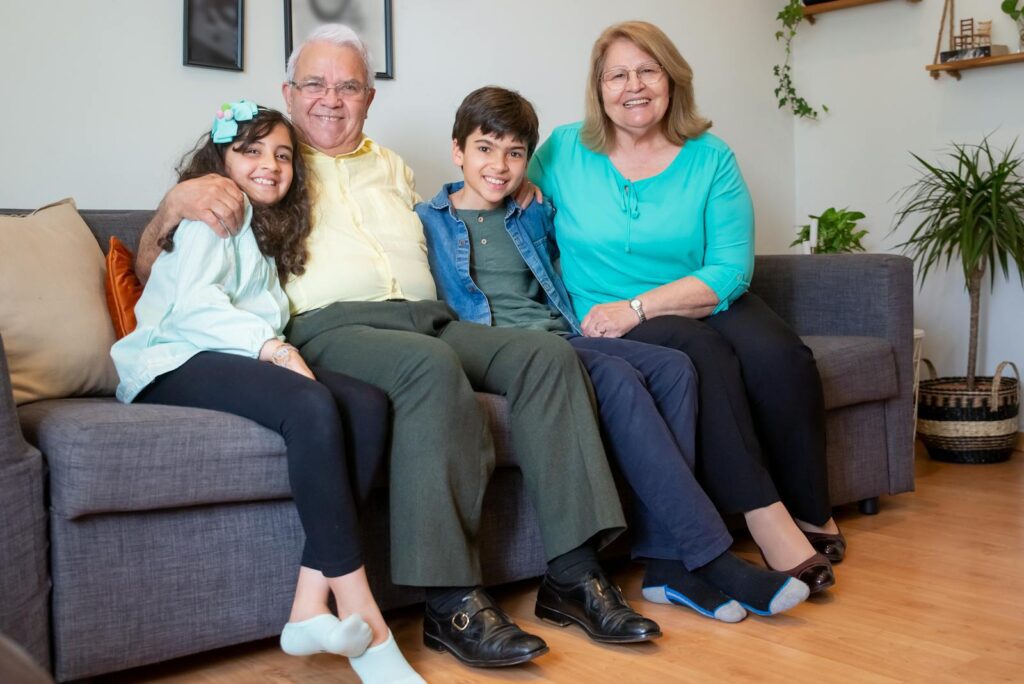
Grandparents are not just backup babysitters either. They often serve as a second safe harbor, with their own routines, stories, and inside jokes that belong only to that relationship. Commentaries on intergenerational care point out that Grandparents play a crucial role in nurturing children, whether they live a few streets away or in another city, creating memories that last a lifetime. For a child, that might look like baking the same cookies every visit or watching the same animated movie on repeat. For a parent, it can mean trusting that their child is not just safe but also deeply loved in a different, complementary way.
More from Decluttering Mom: