

Early morning ride-hails are supposed to be the safety net for workers whose shifts start before sunrise. When that backup fails, the fallout can be brutal, especially for people whose bosses treat lateness as a firing offense. The viral phrase “I hate Uber now” captures a wider frustration among riders who feel that what used to be a near-instant service has turned into a gamble that can cost them real money, and sometimes their jobs.
Instead of a simple story about one unlucky commute, the deeper issue is how fragile that 4:30 a.m. plan really is. The app might show a car “on the way,” but behind that promise sit driver shortages, longer matching times, and policies that push risk onto riders who can least afford it.
The 4:30 a.m. Gamble: When “On the Way” Is Not Enough

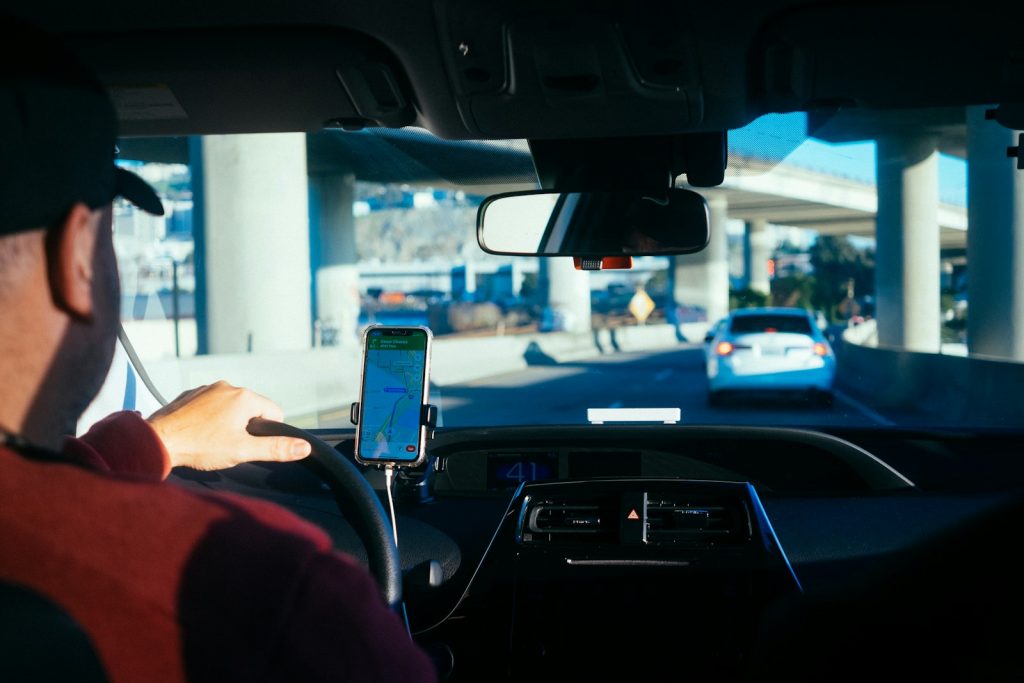
For workers who clock in at dawn, booking a ride at 4:30 a.m. is not a luxury, it is the only way to get to a warehouse, hospital, airport counter, or hotel front desk on time. Many of those jobs run on strict attendance systems where a single late arrival can trigger a write-up, and a pattern of delays can mean losing the role altogether. In that world, the difference between a driver connecting in two minutes or fifteen is not just an inconvenience, it is the line between keeping a paycheck and scrambling to pay rent.
Recent reporting has shown that riders are waiting longer just to be matched with a driver, with some trips taking around 15 minutes before anyone accepts the request. That kind of lag is especially punishing in the pre-dawn hours, when there is no backup bus, no open subway, and no friend awake to offer a last-minute lift. A worker who builds in what used to be a safe buffer can still end up stranded in the dark, watching the clock tick toward a shift start time that will not wait for an algorithm to catch up.
Why Early-Morning Rides Fail, And Who Pays For It
Several forces collide in those fragile early hours. Driver supply tends to be thinner before sunrise, and the ones who are online often chase airport runs or longer trips that promise better pay. At the same time, riders heading to work are usually traveling short distances from residential neighborhoods to industrial parks, hospitals, or retail hubs. That mismatch makes it more likely that a request will sit unaccepted, or bounce between drivers who cancel when they see the route, stretching out the wait while the rider assumes the car is firmly on the way.
On the rider side, the stakes are wildly uneven. A missed 4:30 a.m. ride for someone heading to a flexible office job might mean an awkward email and a late start. For a night-shift nurse, a baggage handler, or a line cook, it can mean a disciplinary mark that never leaves their file. Many employers in logistics and service work use point-based attendance systems where a late arrival counts the same whether it is caused by a traffic jam, a sick child, or a ride-hail that never showed. The app’s small-print disclaimers about “estimated” arrival times do nothing to soften the reality that the worker, not the platform, absorbs the hit.
How Riders Adapt When Trust Breaks Down
Once someone has been burned by a failed pre-dawn pickup, their relationship with ride-hailing changes. Some start stacking backups, booking a ride earlier than necessary and pairing it with a second app like Lyft or a local taxi number in case the first driver drops. Others shift to driving themselves, even if that means buying an older car, taking on a high-interest loan, or paying for parking they cannot really afford. For those without the option to drive, the only real move is to pad the schedule even more, turning a 20-minute commute into a 60-minute ordeal just to stay on the safe side.
That erosion of trust hits the platforms too, even if the impact is slower and harder to see. Riders who feel burned by a missed 4:30 a.m. trip are more likely to cancel subscriptions, skip premium tiers, or only open the app when there is absolutely no alternative. Over time, that can push the most schedule-sensitive customers away from relying on ride-hailing at all, especially for critical commutes. The phrase “I hate Uber now” is less about a single bad morning and more about the moment a rider realizes the app is not the safety net they thought it was, and that the real cost of a glitchy match or a disappearing driver is being paid in warnings, lost shifts, and, for some, the job itself.
More from Decluttering Mom: