



You notice the world has narrowed to the living room, diaper bag, and a looping to-do list, and she admits she hasn’t left the house alone in nearly three years. That gap between who she was and who she is now can feel disorienting, isolating, and surprisingly common.
You can reclaim parts of yourself without undoing the care you’ve given; small steps outward build real independence. This piece explores what life becomes when full-time parenting crowds out personal time, why that shift happens, and practical ways to rediscover identity and freedom while still being the parent they need you to be.
The Reality of Becoming a Stay-at-Home Mom

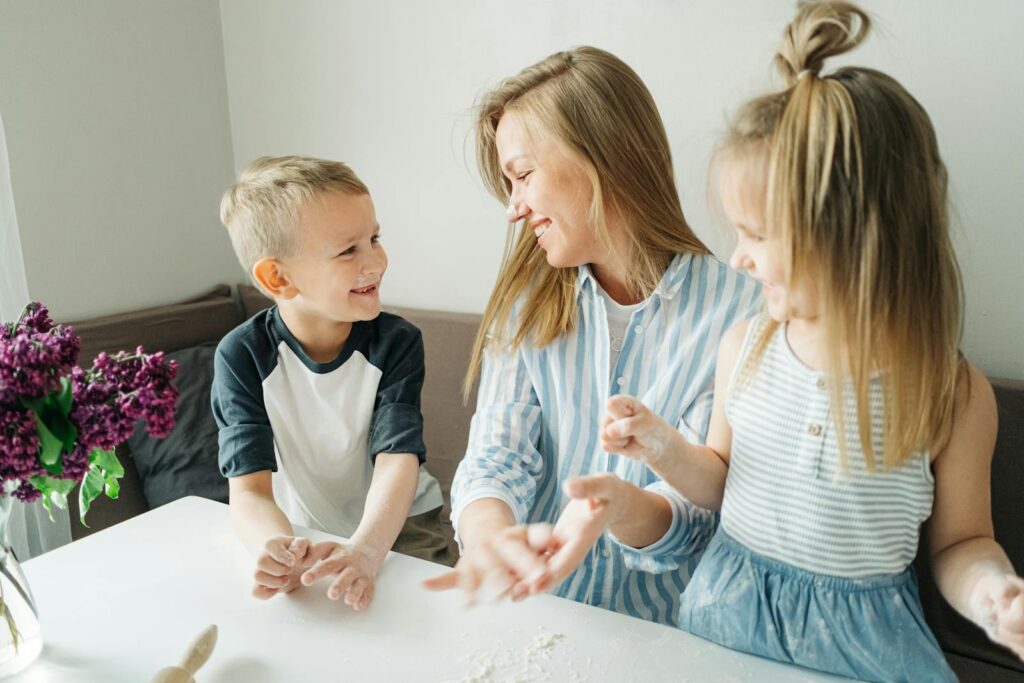
Daily rhythms shrink, priorities shift, and social contact often dwindles. Tasks that once took minutes can stretch into the day, and personal time becomes scarce.
Daily Life Changes After Motherhood
She wakes to feeding, diapering, or soothing before sunlight fully rises. Mornings that once included a commute are now filled with routines for a child: breakfast, naps, and doctor appointments replace meetings and workout classes.
Household chores interweave with caregiving. Laundry, meal prep, and cleaning pause repeatedly for interruptions, so nothing follows a neat schedule. Errands require planning around nap windows or childcare availability.
Sleep fragmentation and unpredictable feeding schedules change energy levels. Free hours shift to late nights or brief windows when the baby naps. Time management becomes reactive rather than proactive.
Losing Touch With Previous Identity
She notices old labels fading: colleague, friend, or hobbyist get edged out by “mom.” Professional skills don’t vanish, but they go unused for months, making past roles feel foreign.
Social circles narrow to other parents or online groups, so conversations often center on children. Interests like reading for pleasure, classes, or creative projects get postponed and eventually shelved.
Self-care becomes deprioritized. Appointments, exercise routines, and personal grooming slip as caregiving demands increase. That creates a slow erosion of confidence in roles once taken for granted.
Challenges of Parental Isolation
Physical isolation rises when leaving the house feels logistically difficult. Transporting a child, gear, and supplies turns short outings into full planning operations, so many choose to stay home.
Emotional isolation follows: conversations with other adults shrink and shared experiences outside parenting become rare. That can cause loneliness, mood shifts, and a sense of being unmoored from previous support networks.
Accessing help often requires navigating waitlists, cost, or stigma. Finding nearby, trusted childcare or flexible community programs can be the difference between daily connection and prolonged seclusion.
- Practical tips:
- Schedule one outing per week tied to a specific need (library, clinic) to force brief breaks.
- Join local parent groups with similar-aged children for consistent social contact.
- Trade babysitting with a trusted neighbor to regain short blocks of personal time.
Reclaiming Independence and Rediscovering Yourself
Practical steps help rebuild confidence: small daily choices, clear requests for help, and a paced plan for getting back out and trying things again. Each approach focuses on concrete actions she can take this week and this month.
Finding Small Moments for Yourself
She starts with five- to fifteen-minute pockets of time that don’t require leaving the house. Examples: a short walk around the block, a coffee on the porch, reading two pages of a book, or stretching for ten minutes when the child naps. These micro-breaks recharge energy and make self-care feel achievable instead of overwhelming.
She schedules them into the day like appointments and marks them on a calendar or phone reminder. Treating them as non-negotiable reduces guilt and normalizes personal time.
Practical tools include a simple timer, a small notebook for quick thoughts, and a playlist of three songs that signal “pause.” Over weeks, she increases frequency and length based on comfort, tracking progress in one-line journal entries.
Asking for Help and Building Support
She lists specific tasks she needs help with: grocery pickup, school drop-off for one day, or someone to stay for ninety minutes so she can step out. Naming tasks makes requests concrete and easier for others to accept.
She identifies three people to ask first: a partner, a neighbor, a trusted friend or family member. She practices one-sentence asks—“Can you pick up milk on your way home?”—to lower the pressure when reaching out.
She also explores local resources: parent support groups, respite care services, and community centers with drop-in hours. Booking one meeting or trial session removes uncertainty and creates a safety net for future outings.
Gradual Steps to Embracing Change
She creates a staged plan with clear, measurable goals: leave the house for ten minutes this week, fifteen the next, then a thirty-minute errand solo within a month. Each step lists what could go wrong and a backup plan, like a designated check-in call.
She practices exposure with low-stakes outings: a short walk, a solo coffee at a café near home, or a quick library visit. After each outing, she notes what felt manageable and what triggered anxiety to inform the next step.
She celebrates small wins—checking off the calendar, sharing progress with a friend, or treating herself to a favorite snack. Those rituals reinforce momentum and make larger changes feel attainable.
More from Decluttering Mom: