


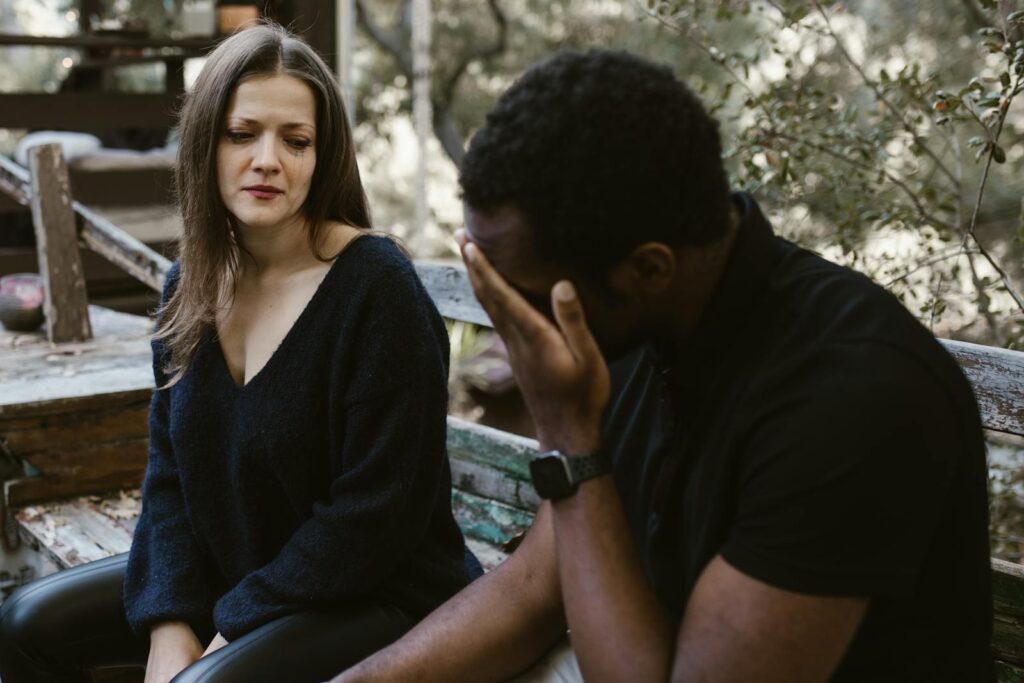
One woman shared a story that many found unsettling. After helping her long-time friend, who had just gotten out of jail, she quickly realized things had taken a wrong turn. What started as a simple act of kindness spiraled into a complicated relationship that felt more like a burden than a partnership.
The man, who had a history of violence, was invited to stay temporarily after being kicked out of his mom’s house. She found herself cooking for him daily, helping him re-enroll in college, and supporting him through what seemed to be a dark time. Yet, he returned the favors with disrespect, often making her feel unattractive and unappreciated.

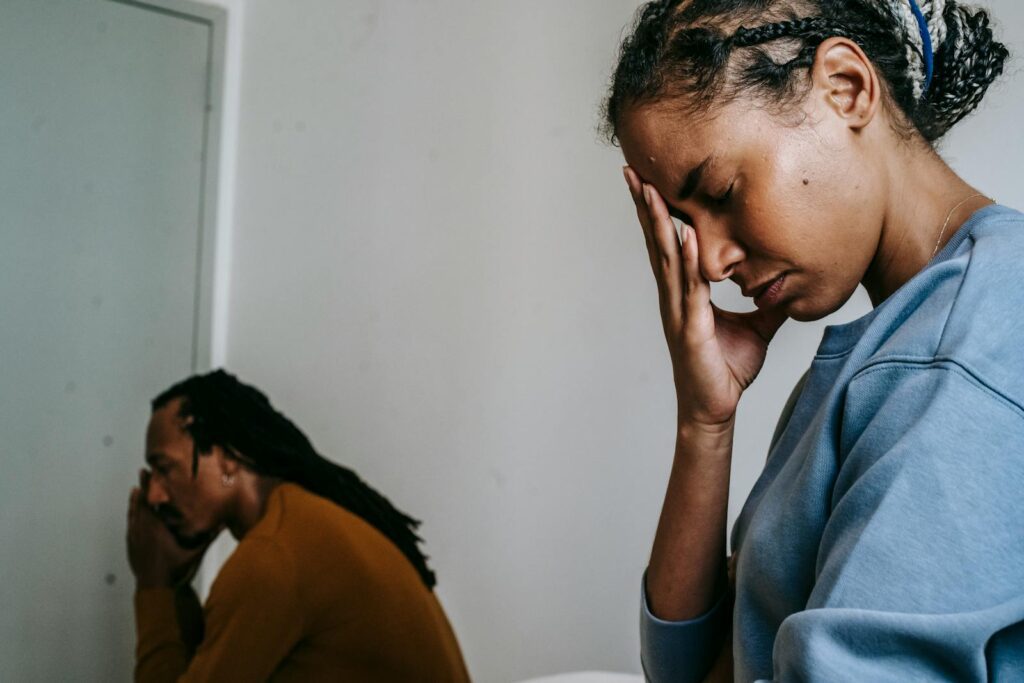
Despite the initial excitement and nostalgia from their high school friendship, she faced challenges that made the relationship feel increasingly one-sided. He became a constant presence in her life, moving into a nearby apartment but essentially treating her home as his own. She described his demeanor as emotionally vacant — unable to engage in conversations or look her in the eyes. The effort she put into the relationship didn’t seem to resonate with him, leaving her feeling frustrated and empty.
Alongside his emotional detachment, he also displayed behaviors that indicated deeper issues. He often preferred to stay isolated, filling his days with video games and junk food, while she juggled work and school. She felt bitter as she supported him, questioning her own choices and neglecting her spiritual journey. It was clear that the dynamic was becoming suffocating.
Her repeated attempts to break off the relationship were met with hostility. Each conversation about ending things led to severe reactions from him — threats of self-harm and emotional outbursts. This pattern created a cycle of fear that made her feel trapped. Despite her love for him, the relationship was increasingly toxic, leaving her feeling lonely even in his presence.
People had very different reactions to her predicament. Many emphasized the importance of prioritizing one’s happiness. They urged her to break up with him, pointing out that staying in such a relationship could distort her view of future partners. Some felt that the longer she stayed, the more it would negatively impact her life.
Others suggested a more cautious approach, recommending that she inform friends and family of her decision to break up. They also advised her to ensure she had support on hand, considering his past reactions to the break-up talks. The idea of breaking up via text was also floated, highlighting the need for personal safety and emotional well-being.
While some advocates pushed for a clear cut from the relationship, others pointed out the complexity of the emotional ties involved. People recognized the fear of loneliness she felt, especially after being in a relationship for so long. Yet, they reiterated that her mental health and happiness were paramount, and the current situation wasn’t sustainable.
With each comment, it became clearer that she was not alone in her struggle. Many knew that leaving someone who exhibited such troubling behavior was easier said than done. The community seemed to rally around her, offering insights and hard truths about self-worth and emotional health, emphasizing that it was essential to consider her own needs.
Ultimately, the conversation raised an uncomfortable question: how can one successfully leave a relationship when the fear of repercussions looms large? It’s a complex scenario that many might find relatable, but it leaves one wondering about the balance between compassion for another’s struggle and the need to preserve one’s own well-being.
More from Decluttering Mom: