

You move into your boyfriend’s spare room because you need a safe place to stay, and now his brother’s girlfriend says you’ve “overstayed your welcome” and demands an apology. That accusation lands as both personal and practical: you deserve clarity about expectations and a fair chance to explain your situation.
You don’t owe an automatic apology for seeking safety, but you do owe a direct conversation that sets boundaries, timelines, and mutual respect. Approach that conversation calmly, state why you moved in, outline how long you intend to stay, and ask what specifically feels uncomfortable so you can address it together.
This post will walk through why the move made sense, how to navigate life as an unexpected houseguest, how to handle the girlfriend’s arrival and accusation, how to respond to a demand for an apology, and ways to find a practical path forward that protects everyone’s dignity.

Why I Moved Into My Boyfriend’s Spare Room
She moved into the spare room because she needed an immediate, private place to sleep and to secure her belongings. The decision balanced safety, logistics, and the reality of limited options.
The Urgency of My Safety Concerns
She left her apartment one night after her ex showed up uninvited and followed her to the building entrance. She had filed a police report earlier that month after multiple threatening texts, and the presence of her ex outside her door made her fear for her physical safety. Staying with friends felt chaotic and unreliable; she needed a locked door, predictable routine, and a place where overnight visitors could be controlled.
Her boyfriend’s spare room offered that stability: a keypad lock, a closet for her clothes, and a nightstand where she kept essentials like medication and a pepper spray canister. She emphasized that this was a short-term safety measure, not a plan to merge households. She also kept digital evidence of the texts and the police report on his shared tablet, so he could corroborate the urgency if needed.
How the Decision Was Made
They discussed options over text and a 20-minute call while she waited in her car outside his building. He suggested she come inside and use the spare room until she secured a restraining order or found a new apartment. She agreed because he had previously offered the spare room for emergencies, and moving there avoided her having to explain the situation to her landlord and neighbors immediately.
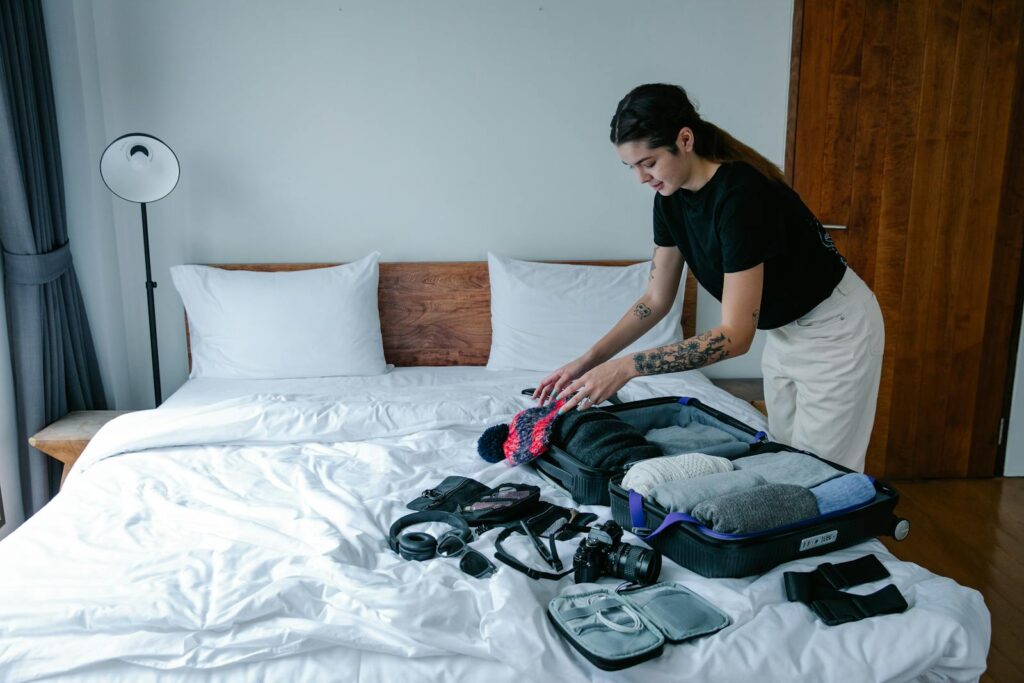
They set a few ground rules before she brought in a suitcase: she would keep the space tidy, notify him of any visitors, and contribute to groceries. She also told him she would start apartment hunting and expected to take care of application fees and moving costs. The arrangement was framed as temporary, task-driven, and centered on her immediate need for protection.
Initial Reactions from My Boyfriend
He reacted with concern and practicality. He drove over to help her carry boxes at midnight and stayed until she felt settled. He immediately changed the spare room’s deadbolt code and checked the building’s security cameras to make sure there were no recent suspicious entries.
He also asked concrete questions: how long she expected to stay, whether she wanted him to accompany her to file another police report, and how household responsibilities would be divided while she was there. His tone was supportive but measured; he treated the move as a safety protocol rather than a romantic progression.
Navigating Life as an Unexpected Houseguest
Practical steps help reduce friction quickly: define what parts of the home are private, agree on shared chores and bills, and set clear time limits for the stay. Small, specific actions ease daily living and signal respect.
Adjusting to a New Living Space
She should claim one clearly defined area for personal items — a closet, set of drawers, and a shelf in the fridge. Labeling belongings and keeping communal surfaces tidy prevents accidental use of things meant for others.
He can pack a small “comfort kit” with toiletries, a lamp, and a fan to reduce disruption in shared rooms. Storing bags neatly and using under-bed or a single corner keeps traffic flow open and reassures hosts that the stay is intentional and organized.
They should ask permission before rearranging furniture or bringing large items in. That respect for the host’s physical space avoids arguments about boundaries and shows consideration for the household setup.
Sharing Everyday Routines
Create a simple shared schedule for bathroom times, laundry days, and kitchen use. Post it on the fridge so everyone knows when to expect peak demand and can plan showers or cooking around others’ routines.
Agree on grocery contributions and which foods are communal versus personal. Use a shared list app or a small whiteboard for needed items; this splits costs fairly and prevents accusations about eating someone else’s food.
Set expectations for noise, guests, and sleeping hours. Brief, specific rules — like “no overnight guests without 48-hour notice” — stop small annoyances from becoming bigger conflicts and protect everyone’s routines.
Setting Temporary Ground Rules
They should negotiate a clear end date or regular check-ins to reassess the arrangement. Writing a short agreement with move-out expectations, bill splits, and responsibilities reduces misunderstandings and gives the houseguest a timeline.
Use a simple, concrete list for chores and bill payments. For example: “trash out Tuesday, dishes after use, split utilities 30/70” — put names next to tasks to avoid diffusion of responsibility.
Handle apologies and disputes promptly and privately. If a guest has caused inconvenience, a brief apology and an action plan (replace the missing item, pay a share of a bill) resets goodwill and demonstrates accountability.
The Arrival of My Boyfriend’s Brother’s Girlfriend
Tension rose the day she moved in. Small routines changed, conversations shifted, and everyone felt the house get a little smaller.
First Impressions and Introductions
She arrived with two suitcases and a confident smile that softened when meeting the narrator. He introduced them in the living room, noting her job at a nearby clinic and that she’d stay “temporarily” while the brother was on a work assignment. The narrator watched her unpack toiletries in the spare bathroom and arrange a framed photo on the bedside table.
Initial small talk was polite but measured. She asked about house rules, which the boyfriend recited quickly — quiet after 11 p.m., no overnight guests without asking. The narrator noticed a flicker of judgment when the girlfriend learned the narrator had moved in for safety reasons, then a conciliatory comment about “understanding complicated situations.” Those first impressions set a pattern: cordial on the surface, with an undercurrent of unease.
Household Dynamics Shift
The girlfriend’s schedule overlapped with peak household times, which rearranged kitchen use and laundry routines. Morning coffee became competitive; she started brewing a large pot even though she took only one cup. The narrator adapted by shifting work calls, but learned to budget bathroom time and quiet hours more strictly.
Conversations changed tone. Casual movie nights became quieter and the boyfriend spent more evenings at his brother’s place to avoid tension. The girlfriend began suggesting changes — labeling shelves, reallocating closet space — which the narrator felt bordered on prescriptive. Small favors from the boyfriend, like moving a box or taking out the trash, increasingly came with visible frustration on the narrator’s part.
Conflict: Accusations of Overstaying My Welcome
Tension rose quickly after she moved into the spare room for safety. The dispute centered on house rules, expectations about overnight guests, and who gets to decide what “temporary” means.
What Happened During the Confrontation
The confrontation happened one evening after dinner when the brother’s girlfriend, Emily, asked the roommate to leave immediately. Voices escalated in the living room; Emily accused the roommate of using common areas at odd hours and leaving personal items in shared spaces. The roommate defended her need to stay because she had no other safe place that week and pointed out that she pays no rent but contributes by cooking and running errands.
Neighbors heard raised voices, and the boyfriend stepped between both women to calm things down. Emily demanded an apology and a timeline for moving out. The conversation ended without agreement, and both women retreated to separate rooms, leaving the issue unresolved.
Her Reasons Behind the Accusation
Emily said the roommate had “overstayed” because she believed the move into the spare room had passed its emergency window and become indefinite. She listed specific grievances: staying overnight multiple consecutive weeks, using the boyfriend’s toiletries, and leaving belongings in the spare closet. Emily also felt blindsided—she hadn’t been told about the arrangement in advance and interpreted that as a lack of transparency.
Part of Emily’s argument drew on household balance: she expects shared spaces and routines to reflect the couple’s norms. When those norms shifted without consultation, she experienced it as a boundary breach. Her demand for an apology reflected hurt at feeling excluded from a decision that affected her daily life.
My Boyfriend’s Perspective
The boyfriend described a dilemma between supporting his partner’s safety and maintaining household harmony. He acknowledged he invited the roommate to stay after a stressful incident left her unable to return home safely. He also admitted he didn’t communicate a clear end date to Emily, which created resentment.
He emphasized practical steps he’s willing to take: set a firm move-out timeline, create a schedule for shared spaces, and agree on temporary guest rules. He worries about upsetting his brother’s relationship but says he prioritizes his partner’s immediate safety while seeking compromise.
Dealing With the Demand for an Apology
The situation needs careful handling: assess why the apology is being asked for, notice how it affects personal safety and boundaries, and pick a response that protects dignity while keeping the living arrangement stable.
Understanding Her Point of View
She might see a long-term stay as an invasion of household rhythm and privacy, especially if she shares common spaces with limited notice. Her request for an apology often reflects annoyance about disrupted routines, added chores, or feeling sidelined during family decisions.
Cultural and relationship roles can shape her expectations about household “ownership.” If she and her partner had plans for that spare room, she may feel her future plans were overlooked. That doesn’t automatically make her unreasonable—her perspective usually centers on fairness, not malice.
Look for concrete complaints: specific incidents, times, or behaviors that escalated tension. Those details matter because they indicate what, if anything, an apology or a behavioral change could fix.
Processing My Own Feelings
She should pause to identify emotions: fear, relief, irritation, gratitude, or embarrassment. Naming them helps separate personal safety needs from social discomfort. This clarity prevents apologizing out of guilt when the move was necessary.
Assess whether any action actually warrants an apology. Did she break house rules, take items without asking, or impose unpredictably? If yes, a targeted apology and practical remedy go farther than a blanket “sorry.”
If the move was for safety, she should document conversations and any agreements about duration. That record strengthens her position and reduces the pressure to concede purely to keep the peace.
How I Chose to Respond
She opted for a respectful, specific reply instead of an automatic apology. First, she acknowledged the inconvenience: “I’m sorry this disrupted your routine.” That addressed feelings without admitting wrongdoing she didn’t commit. Then she proposed tangible fixes: a cleaning schedule, clear quiet hours, and a move-out timeline.
She also requested a short family meeting to set expectations and boundaries. In that meeting she kept statements concrete: times she would use shared spaces, storage limits, and a realistic date for returning to her own place or finding alternatives.
When silence or further demands followed, she reinforced safety needs calmly and offered to revisit the agreement in two weeks. Concrete steps and timelines reduced ambiguity and shifted the conversation from blame to solutions.
Finding a Path Forward
Keep the immediate goals simple: repair daily living dynamics and clarify roles so everyone knows expectations and next steps.
Communicating with Everyone Involved
She should ask for a sit-down with her boyfriend and his brother (if present) in a neutral space and propose a short agenda: current living needs, specific complaints, and a timeline for resolving them. Use “I” statements: for example, “I moved here for safety and I need to know how long I can stay” and “I felt hurt when I was told I overstayed my welcome.” That reduces defensiveness and keeps the focus on concrete facts.
Bring a few practical proposals to the meeting. Offer specific timeframes (e.g., two weeks to three months), chores split, and noise or shared-space rules. If the brother’s girlfriend wants an apology, clarify what she expects—words, actions, or a change in behavior—and whether an apology would be sincere or performative. Record agreed points in a message thread so everyone has the same reference.
If emotions spike, pause the discussion and resume with a mediator (a mutual friend or counselor) or set a short cooling-off period. Prioritize safety: if the conversation risks escalation or feels unsafe, she should leave and seek other supports instead of staying to negotiate.
Setting Future Boundaries
They should document clear, enforceable boundaries that relate to tenancy and daily life. Specify duration (exact move-out dates or review checkpoints), financial contributions (rent, utilities, groceries), and household responsibilities (who cleans which areas and when). Concrete items prevent vague accusations of “overstaying.”
Define interpersonal boundaries too: establish acceptable ways to raise grievances (text first, scheduled chat, or mediated meeting) and a rule that personal attacks or ultimatums are off-limits. If privacy is a concern, reserve certain spaces or times as private (e.g., her bedroom is off-limits without permission).
Agree on an exit plan tied to milestones, such as securing alternate housing or reaching a counseling goal. Put the plan in writing and revisit it at agreed intervals. This creates accountability and reduces ambiguity about when the living arrangement should change.
More from Decluttering Mom: