


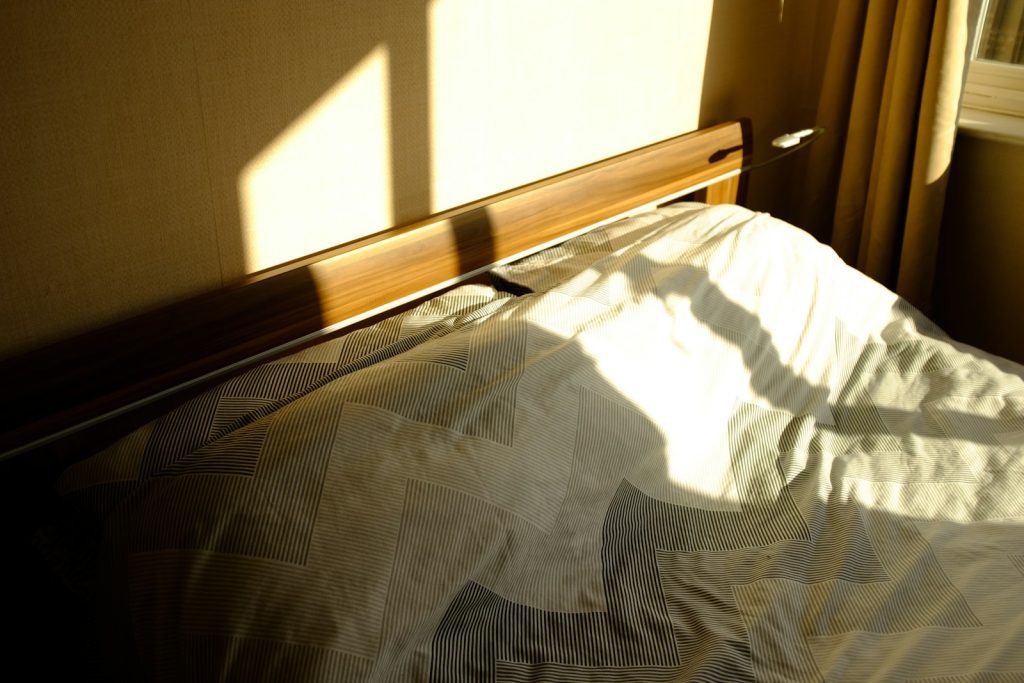
Hosting overnight guests can feel like a hospitality test you never signed up for, especially when you start tallying the laundry. Yet the assumption that you must strip the bed the second your visitors leave is more cultural script than scientific rule. If you understand how professional standards work and how often your guest room is actually used, you can skip the automatic wash cycle without sacrificing hygiene.
Instead of reacting out of guilt, you can treat your guest bedding the way hotels treat their rooms: with clear standards, consistent routines, and a realistic sense of risk. That mindset lets you decide when sheets truly need laundering, when a simple refresh is enough, and why not washing immediately after every single overnight stay can be a rational, responsible choice.
How Hotels Really Handle Sheets, Not Just How People Assume
When you picture a perfectly made hotel bed, you probably assume a fresh set of linens every time a guest checks in. In professional hospitality, that assumption is not just marketing, it is policy. Commercial properties are expected to keep every bed sanitary for each new arrival, and that expectation shapes how you should think about your own standards at home, even if you do not copy them exactly.
In hotel operations, sheeting components can be laundered after each guest visit to ensure a sanitary environment, which means fitted sheets, flat sheets, and pillowcases are treated as single-stay items. That approach is reinforced by industry regulations that require all bed sheets used in hotels to be thoroughly washed and sanitized after each guest’s stay, alongside cleaning of all room surfaces and bathroom facilities. You are not running a commercial property, but understanding that benchmark helps you decide how far you want to go in a private home where the risks and traffic are very different.
Why Your Guest Room Is Not A Hotel Room
At home, your guest bed does not see the same constant turnover as a room that might host hundreds of strangers in a year. You know exactly who slept there, how often the space is used, and whether anyone was sick, which gives you more information than a hotel ever has. That context matters when you decide whether to strip the bed immediately or leave clean-looking sheets in place for the next visit.
Hotel regulations are written for high-traffic environments where staff cannot track individual health histories and must assume maximum risk. Those regulations treat every departure as a full reset, with mandatory laundering of all bed sheets and comprehensive disinfection of room surfaces and bathrooms. In a home, you can calibrate your response, reserving that level of deep clean for guests who were ill, for long stays, or for bedding that is visibly soiled, instead of applying a commercial rule to a spare room that might sit empty for weeks.
The Hygiene Baseline: What “Clean Enough” Actually Means
Cleanliness in a guest room is not an abstract ideal, it is a balance between visible freshness, microbial safety, and practical workload. Professional standards show that a truly sanitary bed is one where every surface that touches a new sleeper has been washed or disinfected since the last person left. That is the gold standard, but it is not the only way to maintain a healthy home.
In hotels, sheeting is treated as a frontline hygiene barrier, laundered after each guest visit to ensure a sanitary environment for the next occupant. That practice is paired with regulatory expectations that all bed sheets be washed and sanitized after each stay, along with cleaning of all room surfaces and bathroom facilities, as outlined in hospitality regulations. At home, you can define “clean enough” as a consistent routine that keeps your guest bedding within a safe window, even if you do not hit that commercial reset button after every single overnight.
What Actually Happens To Sheets Between Guests


When you leave sheets on the bed after a guest leaves, you are not freezing the room in time. Dust settles, air circulates, and any residual moisture from sleep evaporates. In a dry, well ventilated space, that process can reduce some microbial activity, especially if the bedding is not compressed under a heavy comforter for weeks on end.
Professional laundering cycles in hotels are designed to handle constant use, which is why sheeting components can be laundered after each guest visit without hesitation. In your home, the same sheets might host a weekend visitor and then sit untouched for a month, which means the fabric is not accumulating the same layers of sweat, skin cells, and cosmetic residue that hotel linens see in a matter of days. If the last guest was healthy and the bedding looks and smells clean, the risk profile is closer to a lightly used personal bed than a high turnover commercial mattress.
How Often Hotels Really Wash, And Why That Matters To You
Online speculation about hotel hygiene often fixates on horror stories, but industry practice is more structured than rumor suggests. In standard operations, the expectation is that sheets are changed between guests, while some heavier items follow a different schedule. Understanding that nuance helps you decide which parts of your own guest bed deserve strict rules and which can follow a more flexible timeline.
In one widely shared explanation of hotel routines, staff clarified that most of the confusion comes from mixing up sheets with items like duvets and blankets, which may be washed less frequently even when sheets are changed after every guest. That distinction mirrors what hospitality regulations spell out: bed sheets must be thoroughly washed and sanitized after each stay, while other surfaces and bathroom facilities are cleaned according to detailed checklists. At home, you can borrow that layered approach, prioritizing pillowcases and bottom sheets for more frequent changes and treating duvets or decorative shams as items that can go longer between washes.
When Skipping An Immediate Wash Is Reasonable
Not every overnight visit justifies a full laundry marathon. If a close friend or family member stays for a single night, is not sick, and uses the bed gently, you can reasonably leave the bedding in place for the next guest, especially if that next stay is coming soon. The key is to treat the sheets as “in rotation” rather than “permanently clean,” with a clear upper limit on how many nights they serve before you reset them in the wash.
Commercial standards show what maximum caution looks like, with sheeting components laundered after each guest visit to ensure a sanitary environment and regulations requiring all bed sheets used in hotels to be thoroughly washed and sanitized after each stay. You can adapt that mindset by setting a personal rule, for example, that guest sheets are washed after a total of three to five occupied nights or immediately if anyone was ill, rather than after every single body that touches the bed. That way you are not ignoring hygiene, you are managing it with intention.
The Case For A Scheduled Laundry Routine Instead Of Panic Washing

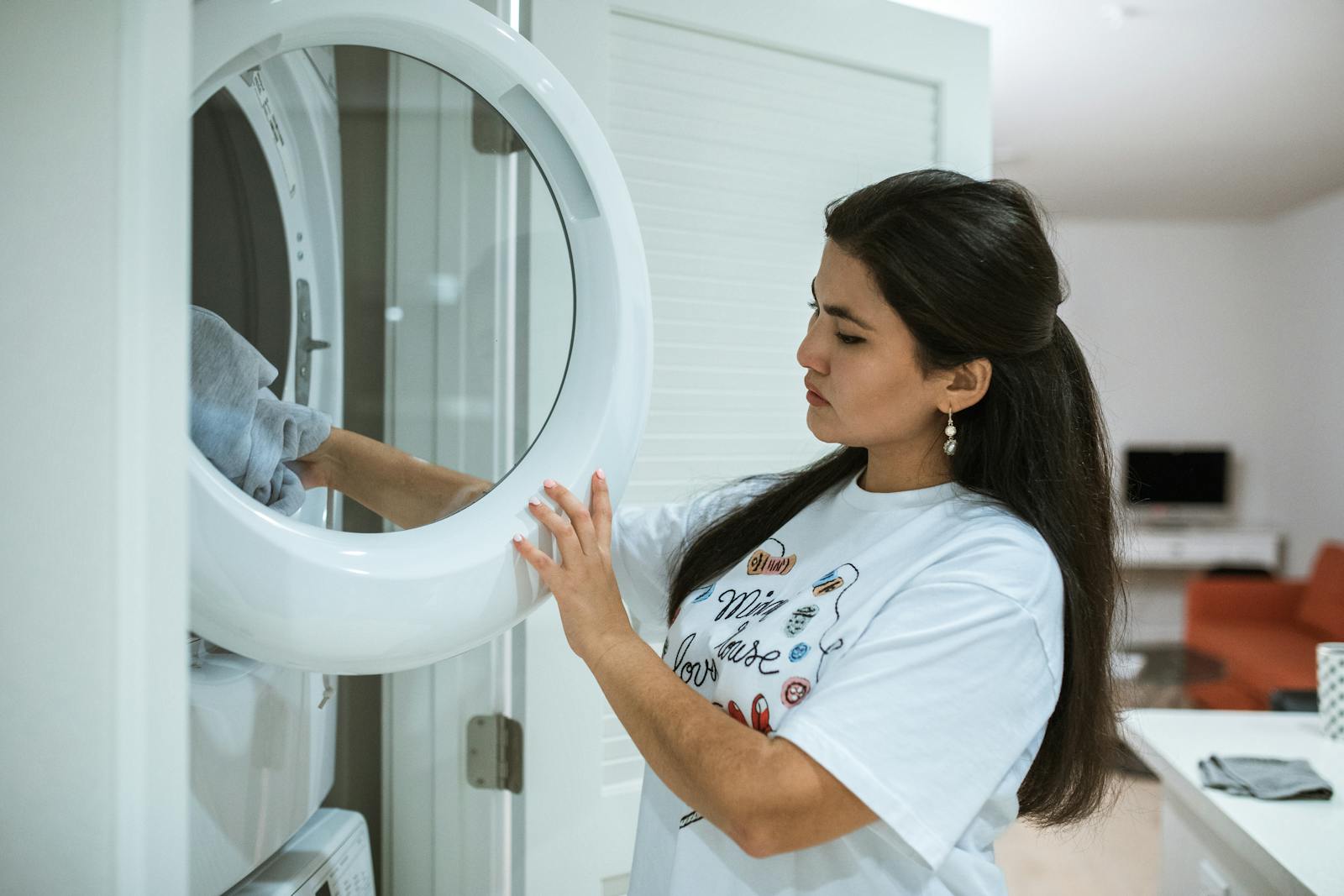
Automatic post-guest washing often comes from anxiety rather than evidence. If you build a predictable schedule for your guest bedding, you can avoid both extremes: the frantic strip-and-wash cycle after every visit and the neglected bed that quietly goes years without a full refresh. A set routine also makes it easier to keep supplies on hand and to plan around your own time and energy.
Hotels rely on strict schedules because they have to, which is why regulations spell out that all bed sheets used in hotels are thoroughly washed and sanitized after each guest’s stay, alongside cleaning of all room surfaces and bathroom facilities. You can translate that structure into a home version by deciding that guest sheets are always washed at the end of a busy holiday season, after any stay longer than a week, or after a set number of uses. That approach keeps your standards high without tying every quiet overnight visit to a same-day spin cycle.
Borrowing Hotel Tricks Without Copying Hotel Rules
Even if you do not launder sheets after every guest, you can still borrow the small habits that make hotel beds feel reliably fresh. Simple steps like airing out the room, smoothing the duvet, and fluffing pillows can reset the space visually and physically, signaling to the next guest that the bed is cared for, not forgotten. Those gestures matter as much as the laundry schedule when you are trying to make visitors feel welcome.
Professional properties treat sheeting as part of a larger system that includes mattress protectors, regular surface cleaning, and bathroom sanitation, all guided by hospitality regulations. You can mirror that layered defense by using washable mattress covers, keeping an eye on pillow freshness, and wiping down nearby surfaces like nightstands and headboards, even if the sheets themselves are still within your acceptable use window. The result is a room that feels professionally maintained, without forcing you into a commercial laundry cadence.
Setting Expectations With Guests While Keeping Your Sanity
Ultimately, your goal is not to impress an invisible inspector, it is to make real people feel comfortable in your home. That starts with your own confidence in the standards you have set. If you know your guest bedding follows a clear routine, you are less likely to spiral into last minute doubt about whether the sheets are “clean enough” and more likely to focus on the parts of hosting that actually require your attention.
Hotels can point to written regulations and operational norms, such as laundering all bed sheets after each stay and cleaning all room surfaces and bathroom facilities, to reassure guests that the bed is sanitary. At home, you can offer a simpler version of that reassurance by keeping a mental or written log of when guest sheets were last washed and how many nights they have been used. That way, when someone asks if the bed is fresh, you are not guessing, you are answering from a system that respects both hygiene and your own bandwidth.
More from Decluttering Mom: