

The woman at the center of this story did what medical ethics and common sense say she is allowed to do: she chose who would be in the room while she labored and delivered her baby. Her mother-in-law did not see it that way, and is now telling relatives she was “banned,” turning a private medical decision into a family-wide drama. The clash captures a growing tension in modern families, where grandparents expect front-row access to milestones that are, in reality, intimate moments that belong first to the parents and the baby.
Behind the gossip and hurt feelings is a bigger question about loyalty, boundaries, and who gets to call the shots when a new life arrives. Experts on family dynamics are clear that the pregnant woman, not her in-laws, is the one whose comfort and consent matter most in the delivery room. The challenge is how a couple can hold that line without blowing up their extended family, and what to do when someone, like this mother-in-law, decides to rewrite the story anyway.

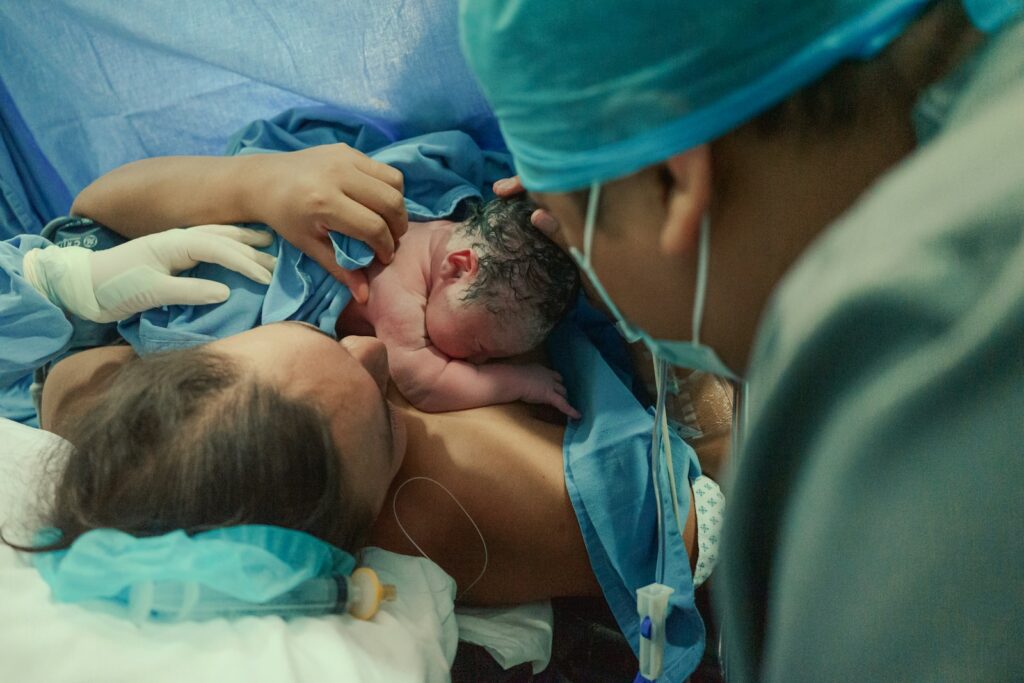
Why Delivery Rooms Are Not a “Family Event”
Labor is not a spectator sport, and hospitals treat it as a medical procedure, not a family reunion. In many maternity units, staff limit support people to a small number, often two besides the patient, precisely because the focus must stay on the woman’s safety and the baby’s arrival, not on managing a crowd. In online discussions about birth plans, women are reminded that it is their body on the line and that they are entitled to privacy and calm, even if that means telling a mother-in-law she will wait in the hallway.
When relatives push back, nurses can and do enforce those choices. In one widely shared exchange, commenters urged a pregnant woman to make it clear that if her wishes were ignored, she should tell the staff, because They will keep unwanted people out and that Hospitals are good at kicking out those who refuse to respect boundaries. That reality undercuts the idea that anyone is “owed” a place at the foot of the bed. The woman in this story did not “ban” her mother-in-law from a public event, she simply exercised the same right every patient has to decide who sees her at her most vulnerable.
When “Excited Grandma” Becomes Overbearing
What turns a joyful expectation of grandparenthood into a conflict is often a pattern that started long before the positive pregnancy test. Specialists in family relationships describe an Overbearing Mother in Law as someone who ignores limits, inserts herself into decisions, and treats her adult child’s household as an extension of her own. In that dynamic, the pregnant woman can feel less like a new mother and more like a supporting character in her mother-in-law’s story about becoming a grandmother. The delivery room then becomes a symbolic battleground over who is really at the center of this family.
Guidance for couples in this situation stresses that they must Set Boundaries together and decide what is acceptable for visits, information sharing, and big moments like birth. One detailed set of advice notes that going through the process of setting boundaries with an overbearing in-law is not about cruelty, it is about recognizing that You ARE the wife and mother in this family and that your needs in labor come first. In the case of the woman accused of “banning” her mother-in-law, the conflict is less about one hospital policy and more about whether her role as the baby’s parent is being respected at all.
Getting on the Same Page With a Partner
Before any boundary can be communicated to extended family, the couple has to be united. Relationship counselors urge women to have a calm, private conversation with their husbands about what they want for labor and delivery, including who will be in the room and who will be in the waiting area. One widely shared piece of advice puts it bluntly: first, you and your husband decide what boundaries you will set, then you Let him know that you have some important things to discuss away from his mother and that you are counting on his support when the time comes.
That unity matters because a mother-in-law who hears one thing from her son and another from his wife will often exploit the gap. Commenters who have navigated similar conflicts emphasize that the pregnant woman should not be left to “fight it out” alone, and that the partner needs to step up and communicate clearly that the couple has made a joint decision. Expert advice on delivery room expectations echoes this, suggesting that the two of them have a calm, honest discussion about their wishes and then present a united front so that any “no” to a mother-in-law is heard as a shared choice, not a personal rejection. One guide on birth boundaries notes that such a talk can strengthen the overall MIL Relationship and Healthy Boundaries when the couple follows through on what they agreed, a point reinforced in guidance that begins with Jan advice to keep the conversation calm and clear.
How to Say “No” Without Burning the Bridge
Once the couple is aligned, the next hurdle is the actual conversation with the mother-in-law. Communication experts recommend starting early, not waiting until contractions begin, and choosing a time when everyone is relatively calm. One step-by-step guide suggests that parents Talk to the mother-in-law right away, Get on the same page with the partner, and Pick a time when emotions are not already running high, so the message can land without being distorted by panic or adrenaline. Framing the decision as a matter of medical privacy and emotional comfort, rather than a judgment on her as a person, can soften the blow.
Practical scripts often sound something like this: “We love that you are excited, but we have decided that only the two of us will be in the room during labor. We want you to be the first to meet the baby afterward.” In one online community, commenters reminded a pregnant woman that it is usually only a limited number of people besides her who can be present, and urged her to Just tell her mother-in-law how she feels, because She should understand and respect her privacy. Others added that it is your body and that you should Just be truthful, advice that is echoed in a detailed thread that repeats the importance of saying no guilt, it is your birth and you must hold to it, a sentiment captured in the repeated encouragement to Just tell her honestly and kindly.
Using Hospital Policies and Creative Roles
Even with clear communication, some relatives will keep pushing, which is where hospital policies and a bit of strategy can help. Birth professionals often remind parents that they can write their preferences into their paperwork, specifying exactly who is allowed in and who is not. One doula suggests a simple trick: give in-laws an important job that is outside the delivery room, such as being the point person for updates or preparing the homecoming, and make sure the staff knows that only the named support people are permitted inside. As one guide puts it, Here is a trick you can rely on: assign a meaningful task and put your wishes in writing so there is no confusion at the nurses’ station.
Medical ethics are firmly on the side of the patient’s autonomy. In one notable legal case, a New Jersey judge backed a hospital’s decision to keep a father out of the delivery room when the mother objected, with physician and attorney Jeffrey Segal explaining that the woman’s right to privacy during labor outweighed the father’s desire to be present. The analysis, shared by Medical Justice, underscores that if a court can uphold excluding a parent, it is certainly acceptable to exclude an in-law. For the woman accused of “banning” her mother-in-law, hospital policy and legal precedent both affirm that she was within her rights to decide who would see her in labor.
More from Decluttering Mom: