


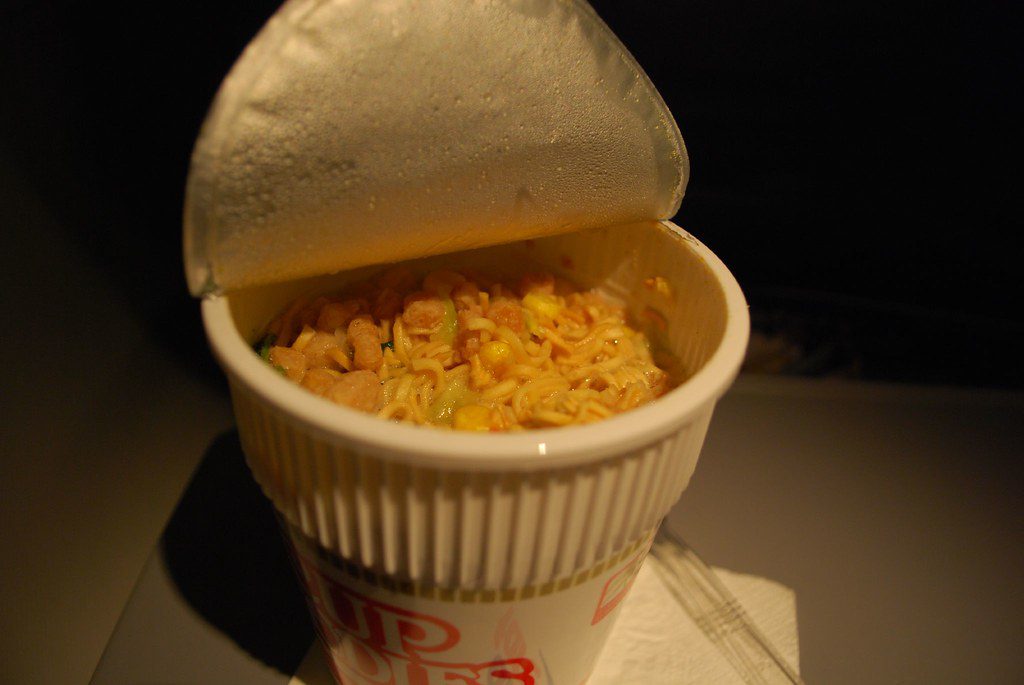
When a Miami woman watched something slither out of her cup ramen, she says she pushed the bowl away and decided she was done with instant noodles. The moment was gross, sure, but it also tapped into a deeper anxiety about what people are really getting when they grab cheap, ultra-processed comfort food. Her story, while unverified based on available sources, fits into a growing pattern of consumers discovering that the most unsettling part of a quick meal is what they were never meant to see.
The viral gross-out economy around food

Food has always had the power to turn stomachs, but social media has turned individual horror stories into a kind of spectator sport. Clips of moldy cheese pulled from sealed packages or mystery objects tucked inside frozen dinners now travel faster than any corporate recall notice. A whole ecosystem of online commentary has sprung up around these moments, with writers and creators tracking how one person’s kitchen nightmare can shift how thousands of strangers feel about their next snack. That pattern shows up clearly in coverage that groups together oddball food incidents, from contaminated-looking takeout to chaotic home cooking fails, under a broader lens on food culture and the way it collides with internet outrage.
Within that swirl, the Miami ramen scare slots neatly into a familiar script: a routine purchase, a shocking reveal, and a quick decision to swear off a product entirely. The emotional arc is not so different from other viral food moments, where a single image or video becomes shorthand for everything that feels off about modern eating. Once a story like that lands on someone’s feed, it is no longer just about one cup of noodles, it becomes a symbol of how fragile trust in the food system can feel. Even when the details of a specific claim remain unverified based on available sources, the reaction it sparks is very real, and it feeds into a feedback loop that keeps audiences primed for the next unsettling discovery.
From Los Angeles cakes to Miami noodles: why these stories stick
The Miami woman’s decision to stop eating cup ramen after seeing something move in the broth echoes another viral moment on the opposite coast. In Los Angeles, a shopper picked up a cake from a Ralph store for her brother’s birthday, only to slice into it and find something so unexpected that she called the situation “actually insane.” That incident, tied to a specific Ralph location in Los Angeles and shared widely online, became a shorthand example of how even a simple celebration can be derailed by a surprise inside the food. Coverage of that episode has been folded into broader discussions of shocking purchases and the way customers now document every step of a bad experience, from checkout to the first bite.
Those stories resonate because they tap into a basic fear that something is hiding beneath the frosting or under the noodles, waiting to be discovered too late. The details change, but the emotional beats are similar: disbelief, disgust, and then a vow to change habits, whether that means avoiding a specific brand or swearing off a whole category of food. The Miami ramen scare, even without independent verification in the available reporting, follows that template closely. It becomes less about the literal object in the bowl and more about the feeling that the everyday shortcuts people rely on, like instant meals or supermarket desserts, might not be as safe or predictable as they seem.
Why Miami keeps ending up in viral clips
Miami has quietly become one of the country’s most reliable backdrops for viral video, and not just when it comes to food. The same city where a woman now says she walked away from cup ramen after a slithering surprise is also the setting for a notorious clip involving a local physician. In that case, a Miami doctor named Anjali Ramkissoon was recorded in a confrontation with an Uber driver, and the footage spread so widely that it triggered professional consequences. The incident was described as a case of bad behavior in MIAMI that turned into a viral video, with CBS coverage underscoring how quickly a few chaotic minutes can reshape a person’s public image.
That earlier episode helps explain why a ramen scare in the same city can catch fire so quickly. Miami is already coded in the online imagination as a place where everyday scenes can suddenly tilt into spectacle, whether it is a late-night street argument or a tense ride-share encounter. When a resident there claims that something alive slipped out of a cup of noodles, audiences are primed to believe that the story, at the very least, fits the city’s viral reputation, even if the specific details remain unverified based on available sources. The location becomes part of the hook, turning a private moment of disgust at the kitchen counter into a public anecdote that feels right at home in a feed full of Miami clips.
More from Decluttering Mom: