

A Florida Walmart shopper expected a familiar weekend treat when they grabbed a tube of Pillsbury cinnamon rolls, only to open the package and find swirls that looked oddly pale, patchy and, in their words, like a prank. The complaint, amplified with the line that Pillsbury was “punking” customers, tapped into a broader unease about what is actually inside those refrigerated cans. It also raised a more practical question for anyone staring at a strangely colored pan of breakfast pastries: when is a weird-looking roll still safe, and when is it time to throw the whole batch out?
When cinnamon rolls look “off” but are technically fine

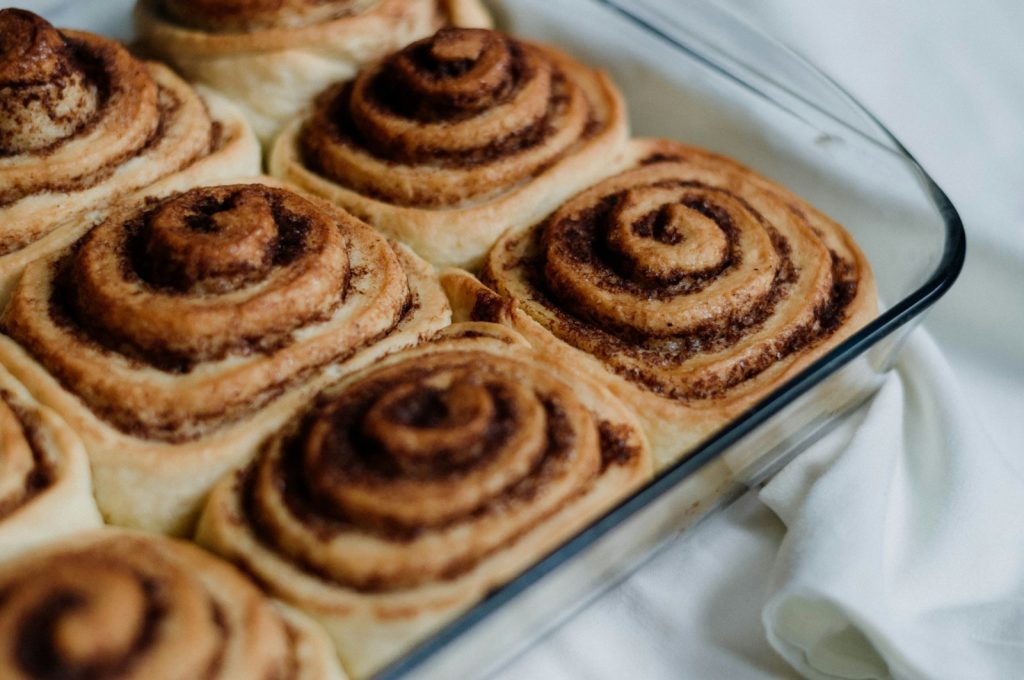
Food scientists and home bakers alike point out that color variation in dough is not always a sign of danger. Differences in how butter melts, how cinnamon is distributed, or how long the dough sat before baking can leave some spirals darker and others almost blond. In one online discussion, Rosemary Hayslip Webb Atallah reassured worried bakers that the rolls are usually fine, explaining that some pieces simply have more cinnamon and some have more butter, which naturally bakes up in different shades. Her comment, shared in a Facebook group and linked through a post that highlights Rosemary Hayslip Webb Atallah, reflects a common view among experienced cooks that uneven color alone is not a red flag.
The brand’s own marketing leans heavily on nostalgia and consistency, promising the same spiraled treat every time a can pops. On its official site, Pillsbury showcases glossy, evenly browned pastries and positions its refrigerated dough as a shortcut to homemade-style baking, with recipes and product pages that present cinnamon rolls as a reliable staple for breakfast tables and holiday spreads. That polished image on Pillsbury contrasts sharply with the Florida shopper’s surprise at rolls that looked nothing like the box photo, which helps explain why a single odd batch can feel like a betrayal rather than a minor cosmetic glitch.
Florida Walmart frustration and a wave of harsh reviews
The Florida Walmart customer’s complaint did not emerge in a vacuum. Shoppers have been venting for months about refrigerated cinnamon rolls that bake up smaller, drier or simply stranger than expected, especially when bought in big-box stores. One review of Pillsbury Cinnamon Rolls with Original Icing, posted under a Walmart listing, warns other buyers, “Don’t buy,” insisting that these are not cinnamon ROLLS at all but biscuits with cinnamon stuff on top. The reviewer calls them Dry and urges others to Save themselves the disappointment, a critique preserved in the product feedback that links directly to the phrases “Don’t buy,” “ROLLS,” “Dry,” and “Save” in a detailed thread on customer reviews.
Another buyer, reviewing a related product, labeled their experience the “Worst Possible” encounter with packaged Cinnamon Rolls, complaining that the pastries were basically very small biscuits with a bland, flour taste and Cinnamon that was undetected. That scathing assessment, archived in a separate Walmart listing, underscores how far some shoppers feel the product has drifted from the gooey, spice-forward rolls they remember, and it is captured in the feedback attached to the words “Worst Possible,” “Cinnamon Rolls,” and “Cinnamon” on another review page. Against that backdrop, a Florida Walmart shopper opening a can to find oddly colored spirals is not just reacting to one strange pan of dough, but to a growing sense that a once-trusted brand is delivering something closer to a generic biscuit than a classic roll.
Viral snacks, pop culture crossovers and what shoppers expect now
The Florida complaint gained extra traction because it landed in a media environment where every odd-looking snack can become a mini-spectacle. The incident was highlighted in a lifestyle roundup that tucked the quote “I think Pillsbury is punking us” into a broader page of home and garden tips, a layout that still managed to spotlight the Florida Walmart shopper’s disbelief alongside instructions on how to recess hinges on a door. That juxtaposition, preserved in a link that surfaces the phrase MSN and the reference to Pillsbury and Florida Walmart, shows how a single offbeat photo or quote can travel far beyond a local store aisle. Once a complaint is framed as a kind of prank on shoppers, it invites readers to treat their own grocery runs like a search for the next viral oddity.
At the same time, food brands are increasingly sharing cultural space with entertainment properties that trade on eerie or uncanny vibes. One recent trailer for a project called Undertones leans into the idea that Podcasts Are Creepy, using audio storytelling to make everyday experiences feel unsettling, a tone captured in coverage that highlights the “Trailer for” Undertones and asks viewers if they have Ever See Those Vertical Drama Shows on TikTok. That blend of domestic normalcy and low-key horror, described in a feature on Podcasts Are Creepy, mirrors the way a pan of cinnamon rolls can suddenly seem ominous when the color is off or the texture feels wrong. The same outlet invites readers to Sign up for The Mary Sue Newsletter and debates questions like whether they Should try Fukubukuro shopping, quoting Women who did and got surprise bags of goods, a reminder on The Mary Sue Newsletter hub that modern consumers are used to curated mystery but still expect basic quality control. When that expectation collides with a can of breakfast rolls that look nothing like the picture, it is no surprise that a single Florida shopper’s shock can resonate far beyond the bakery aisle.
More from Decluttering Mom: