


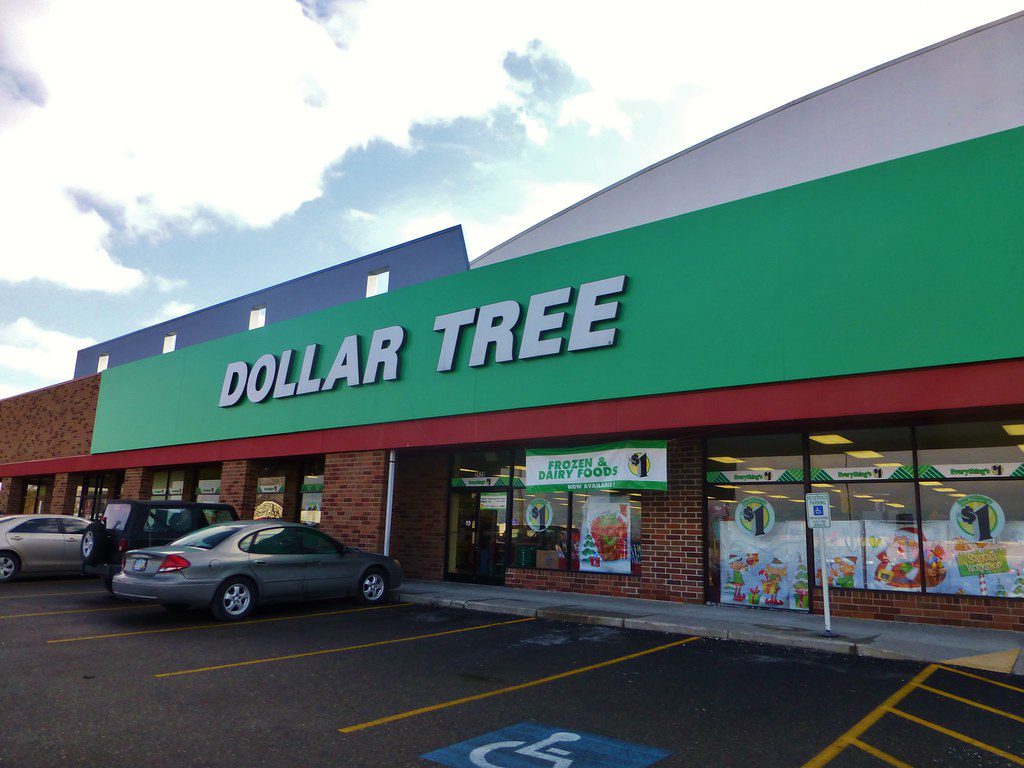
Dollar Tree shoppers have started spotting tiny red circle stickers on shelves and packages, and they are not just random labels. Those dots are a quiet signal that the chain’s famous low prices are shifting, and that some of the “everything’s a dollar” nostalgia is officially in the rearview mirror. If you know what the dots mean, you can decide whether to grab an item now, skip it, or look for a better deal somewhere else.
I have learned to treat those stickers like a code, a quick way to see where Dollar Tree is nudging prices up and which products are caught in the middle of that change. Once you understand how the system works, you can walk the aisles with a lot more confidence instead of wondering why your total at the register suddenly feels higher than it used to.

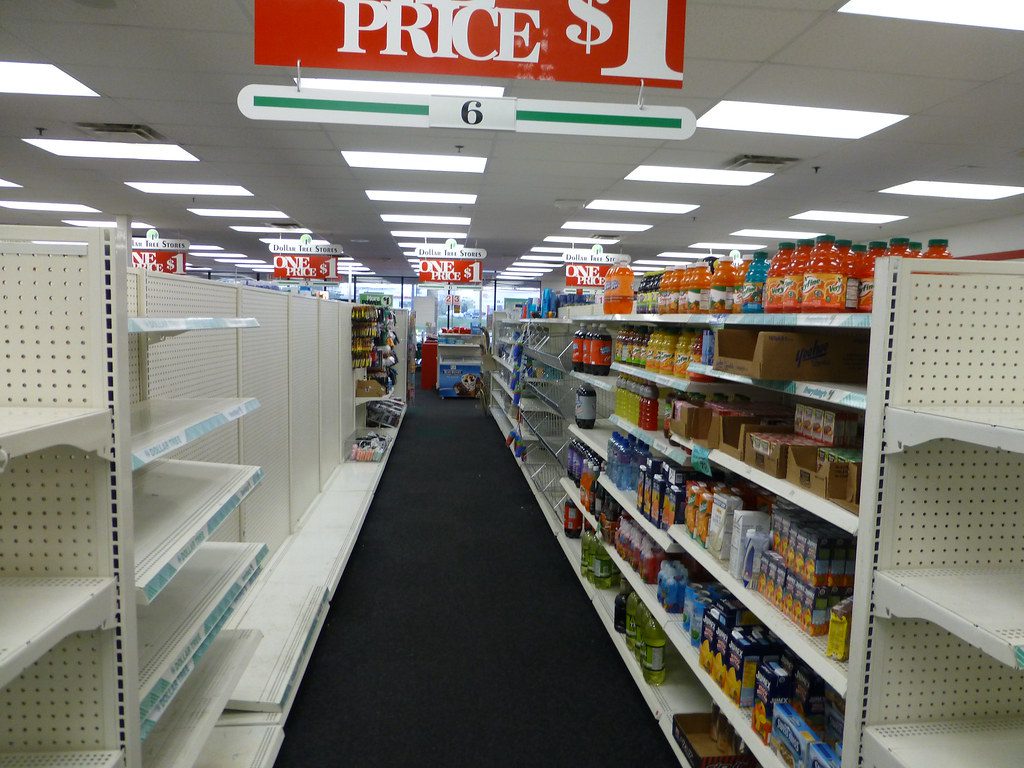
What the Red Dot Stickers Actually Mean
When I talk about a red dot at Dollar Tree, I am not talking about a clearance tag or a flashy sale sign. The small red circle stickers that have been popping up on shelves and packaging are tied to price hikes, not markdowns. They are a visual cue that an item is moving out of the old one dollar world and into a higher price tier, part of a broader shift that has already pushed many products above the classic single price point, both in stores and on the official site.
Shoppers who follow store pricing closely have connected those dots to upcoming increases, and reporting on how to tell when Dollar to hike prices has reinforced that link. Instead of signaling a bargain, the red circle is more like a warning light that the cost you see today may be the lowest you will get before the new, higher shelf tag becomes permanent.
How Shoppers Discovered the Red Dot Code
The meaning of the dots did not arrive in a neat press release, it spread because regular customers started comparing notes. People noticed that items with a red circle sticker were ringing up higher than a dollar, or that the sticker appeared shortly before a price jump showed up on the shelf label. On social media, shoppers began posting photos of the dots and asking why they were suddenly everywhere, especially in stores where, as one frustrated comment put it, “Why do they still call it Dollar Tree?”
That question showed up in a widely shared Facebook post that captured the confusion and irritation many loyal customers were feeling. As more people chimed in, a pattern emerged: the dots were not random, they were clustered on items that were either already above a dollar or about to be repriced. That crowd-sourced detective work turned a mysterious sticker into a recognizable signal for anyone paying attention.
Why the Red Dots Matter for Your Budget
Once I realized those stickers were tied to higher prices, I started treating them as a built-in budgeting tool. If I see a red circle on a staple like cleaning wipes or snack packs, I know I am looking at something that is either already more expensive or on its way there. That gives me a chance to compare unit prices, check whether a larger size at a supermarket is actually cheaper per ounce, or decide to stock up before the next increase hits.
Guides that break down the meaning of a red dot sticker at Dollar Tree have also pointed out how much shopper reaction has shifted from curiosity to open displeasure. People who built their routines around predictable one dollar prices now have to navigate a patchwork of tiers, and the dots are a reminder of that change. For anyone trying to stretch a paycheck, knowing that a tiny sticker means “this is part of the new, higher price world” can be the difference between staying on budget and walking out with a receipt that stings.
Red Dots Are Not Clearance, And That Confuses People
One of the biggest traps I see is that a lot of us are trained to think “red sticker equals sale.” At plenty of chains, a bright red dot or tag screams discount, so it is natural to assume the same thing is happening at Dollar Tree. In reality, the red circle here is closer to a quiet price alert than a clearance badge, which flips that instinct on its head and can easily trick someone who is moving quickly through the aisles.
That confusion is not helped by the fact that other discount retailers use colored symbols for markdowns, and even discussions of red dot deals at similar stores often focus on clearance. When you walk into Dollar Tree with that mindset, it is easy to toss a red-dotted item into your basket thinking you have scored a bargain, only to find out at checkout that you just paid more than you expected. Recognizing that the color coding here works in reverse is key if you want to avoid that kind of surprise.
How I Shop Smarter Now That I Know the Code
Knowing what the red dots signal has completely changed how I move through Dollar Tree. I still love the hunt for low-cost finds, but I do a quick scan for those stickers in every aisle and treat them as a prompt to slow down and double check. If I spot a red circle on something I buy often, I will compare the size and price to what I can get at a warehouse club or a grocery store, and I am not shy about leaving it on the shelf if the math does not work in my favor.
I also keep an eye on how the in-store prices line up with what is listed online, since the company’s own shopping pages reflect the broader move away from a single price point. When I see a red dot on a seasonal item or a brand name product, I ask myself whether I am paying for convenience or actually getting value. That small habit, built on understanding a simple sticker, helps me keep my cart full of true deals instead of quiet price hikes hiding in plain sight.
More from Decluttering Mom: