


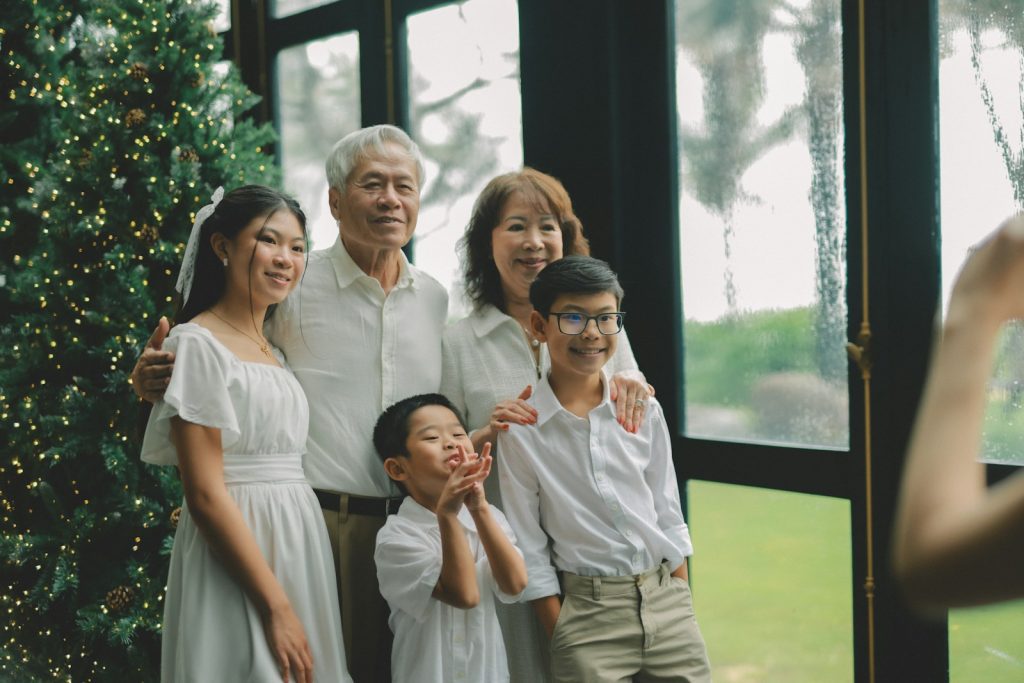
For many grandparents, the quiet after a holiday visit hits harder than they expect. The house that was full of little feet and Lego pieces suddenly feels too neat, too still, and that drop in noise can feel like a drop in purpose. Feeling low after the grandkids head home is common at 68, but it does not have to set the tone for the rest of winter.
What helps is treating this mood shift as something understandable and workable, not as a personal failing or a sign that life is shrinking. With a few intentional changes, older adults can move from “counting the days until the next visit” to building a daily rhythm that feels meaningful in its own right.
Why the letdown feels so heavy at 68

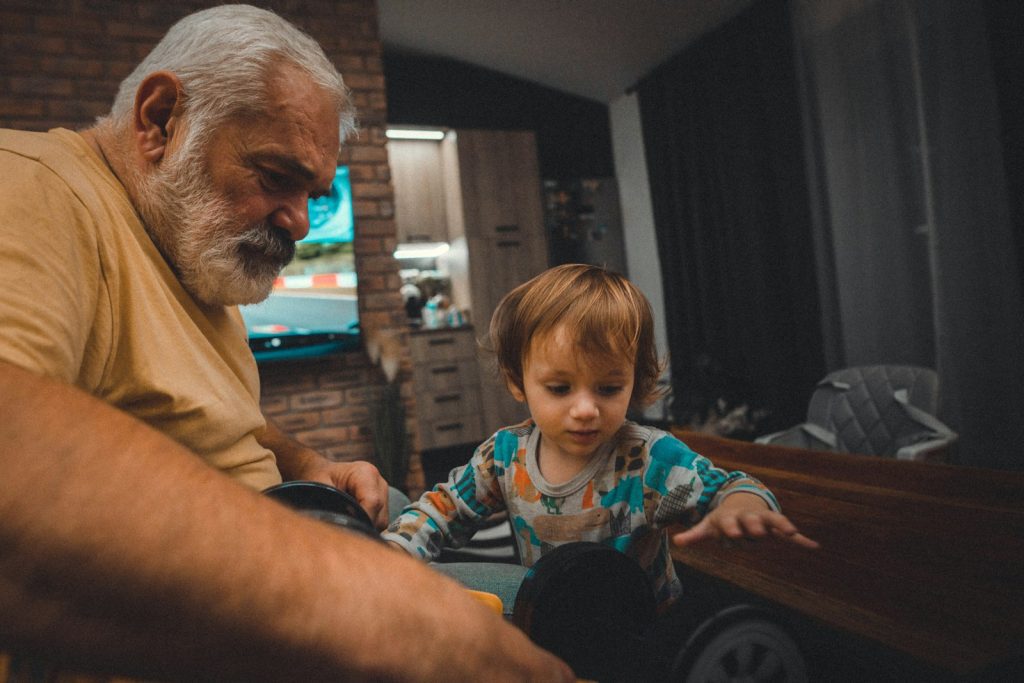
Post-holiday blues are not just in anyone’s head. Mental health Researchers have found that emotional struggles often spike after festive seasons, when routines are disrupted and expectations run high. For grandparents, the contrast is especially sharp: one week they are “on duty” from breakfast to bedtime, the next they are staring at an empty calendar. That sudden shift in pace can feel a lot like the “post-travel” crash, when people come home from a big trip and, as one guide on How to handle post-travel blues notes, need to Preserve memories and Plan the next adventure to avoid feeling flat.
At 68, there is another layer: retirement often means fewer built-in roles and less structure. One retirement adviser who spoke with a 68-year-old grandparent stressed the need to Figure out whether the sadness is about missing the kids, feeling lonely more broadly, or worrying about aging. That same expert suggested that Here is where “making concrete plans to interact” can turn a vague ache into something more manageable.
Turn missing them into staying connected
Missing grandchildren is, at its core, a sign of deep attachment, and that can be a starting point rather than a dead end. Caregiver advocates encourage older adults to Encourage regular phone calls, video chats, or even old-fashioned letters as “Ways” to Cope and Regain. A weekly FaceTime story hour or a standing Sunday call gives both generations something to look forward to, and it keeps the relationship active instead of nostalgic.
Professionals who focus on older adults underline that Maintaining social ties is one of the most effective Practical Ways to Stay Connected, not just for mood but for mental stimulation and overall wellness. Even simple, consistent check-ins can blunt the edge of loneliness. That same logic shows up in advice for the holidays themselves, where experts list Practical Ways to Help Seniors Cope, including Encourage Social Connection because Loneliness is such a powerful driver of low mood.
Rebuild routine, purpose, and small joys
Once the suitcases are gone, the next step is to put some scaffolding back under daily life. One caregiving group suggests that older adults Take comfort in routine, with “Dealing” with Post Holiday Blues by re-establishing regular times for meals, sleep, housework, and caregiving tasks. Another senior community guide echoes this, urging people to Create a productive daily routine because it can provide a sense of normalcy and structure when emotions feel wobbly.
Purpose matters just as much as structure. Mental health advocates remind older adults that it is a myth that learning stops at a certain age, and they encourage people to Self-start by taking a class, joining a club, or volunteering to build a strong purpose in life. Another organization focused on meaning in later years lays out How to Help Seniors Find, starting with Build Strong Relationships because Humans are naturally social and thrive on connection.
Even small social rituals can help. One home care group suggests planning a casual New Year resolution check-in party late in January so friends can share goals and support each other. Another outreach service notes that Here are ideas like helping a Nonprofit with community events, which can reconnect someone to life after loss or big transitions. For grandparents, that might mean tutoring at a local school, reading at the library, or joining a neighborhood walking group so the week does not feel like a long wait between visits.
Watch for more than “just” the blues
There is a line between a seasonal slump and something more serious, and it is worth watching. Mental health experts point out that, at a Glance, post-holiday sadness can look like depression, but While the blues usually fade as routines return, persistent changes in sleep, appetite, or interest in daily life may signal a deeper problem. Guidance on older adults’ mood stresses that depression is not an inevitable part of aging and that support, including therapy and social engagement, can make a real difference.
Some of that support is surprisingly practical. One senior living resource urges people to Acknowledge their feelings and consider using light therapy along with other strategies to support overall well-being. Another mental health charity asks bluntly, Who cares for older adults, and reminds readers that Caring for grandchildren can be rewarding but should not be the only source of joy. If the low mood lingers despite new routines, social plans, and small adventures, it is time to loop in a doctor or counselor rather than trying to tough it out alone.
Make the wait feel shorter, not endless
Part of what makes the weeks after a big family visit drag is anticipation. Psychologists who study time perception note that, Similar to how time slows when waiting for a loved one’s arrival, the countdown to the next trip can stretch out every day. While that anticipation can sap motivation, it can also be harnessed by breaking the wait into smaller milestones, like planning a video call, a photo swap, or a shared project with the grandkids.
Holiday-focused counselors remind families that traditions can evolve. One group encourages people to Keep in mind that celebrations might look different now but can still hold meaning, especially if grandparents Socialize, Reach out to friends, and invite others in. Another faith-based counseling service suggests that older adults Though it may be hard, should go out or invite others over, because it can make all the difference in how they remember the season. Even a short walk with a neighbor or a coffee with a friend can keep the emotional temperature from dropping too low.
For some, a quick motivational boost helps get started. One therapist in a Jan video on beating the blues talks about finding a way to “kickstart” energy instead of waiting for it to magically appear. That might mean setting a timer for ten minutes of tidying, turning on music, or scheduling a mini outing. Combined with the earlier advice to Decide on specific “Ways” to cope, and the reminder from senior communities to Novly reset routines, these small steps can turn a long, gray stretch into a season that still feels worth waking up for.
More from Decluttering Mom: