

You feel the heat of anger every time you think about the headlines, the dangers, and the shrinking sense of control over your kids’ future. You can turn that anger into clear actions that protect your family and model resilience, instead of letting it pile up until it overwhelms you.
This piece will walk you through why that anger lands so hard and practical ways to cope with it now—so you can stop carrying the weight alone and start shaping the kind of childhood you want your kids to have.

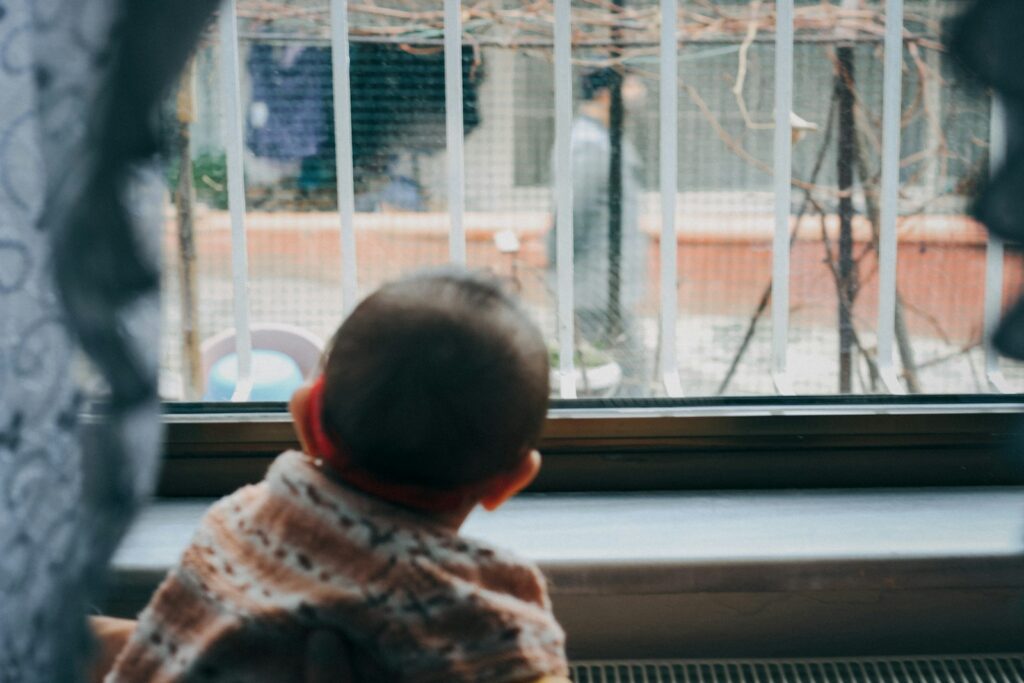
Why I’m So Angry About the World My Kids Are Growing Up In
You feel overwhelmed by concrete failures — schools that shortchange learning, a climate that’s tipping faster than policies change, and political noise that drowns out practical solutions. Those realities make it hard to sleep and harder to plan a normal childhood for your kids.
Raising Kids in a Failing System
You see public schools with oversized classes, outdated textbooks, and shrinking arts and science budgets while test scores stagnate. Special education services are delayed or cut, and gifted programs vanish, so your child’s specific needs often fall through administrative cracks. When you try to advocate, you meet standardized forms, long waits, and budget excuses instead of real solutions.
Healthcare access adds another layer: canceled pediatric appointments, long mental-health waitlists, and surprise medical bills that force you to choose between care and other essentials. Safe, affordable after-school options are scarce in many neighborhoods, leaving working parents juggling schedules or leaving kids unsupervised. These failures feel personal because they directly shape your child’s daily development and future opportunities.
Feeling Powerless Against Big Problems
You understand climate change as more than headlines: hotter summers, wildfire smoke days, and unpredictable storms affect outdoor play and school schedules. You can make household changes, but systemic inertia and industry lobbying make progress slow and piecemeal. That mismatch between individual effort and structural barriers breeds a persistent frustration.
You also watch rising economic inequality and housing costs squeeze your family budget. Even with steady work, you worry about job security, benefits, and the next recession eroding hard-earned stability. Political polarization further undermines collective action; debates become performance instead of problem-solving, so you feel locked out of meaningful change despite being willing to participate.
Struggling With Guilt and Helplessness
You blame yourself for not doing more: not moving to a better district, not volunteering enough, not protesting harder. That guilt compounds when you compare your kids to peers with access to tutors, extracurriculars, or safer neighborhoods. You may overcompensate with paid lessons or constant scheduling, which exhausts you and can strain family relationships.
Helplessness shows up in small ways—avoiding news to protect your mood, or snapping at your partner over logistics—or in big decisions like postponing another child because you fear the world isn’t safe. You oscillate between proactive planning and numbing routines, trying to shield your kids while recognizing you can’t control every risk.
Coping With Overwhelming Anger as a Parent
You’ll find practical emotional tools, concrete actions you can take, and ways to connect with others so your anger doesn’t hollow you out or model fear for your kids.
Handling My Own Emotions in Healthy Ways
Name the feeling out loud: say “I’m angry” to yourself or a trusted person. Labeling reduces intensity and gives your brain a clearer job than vague dread.
Use short, specific tactics when heat rises: three slow breaths, a 5-minute walk, or stepping into another room for a timed break. Keep a small kit—earbuds, water bottle, a note with a calming phrase—to make breaks easier when time is tight.
Track triggers in a quick daily log. Note what set you off, what you did, and how long it took to calm down. Patterns will show where to focus change.
If anger becomes frequent or explosive, seek a therapist who works with parents or anger-management groups. Teletherapy and community clinics can be affordable options.
Channeling Anger Into Positive Actions
Turn outrage into concrete projects with measurable steps. Write one letter to a local official, join a school board meeting, or organize a neighborhood safety walk. Small public acts feel productive and teach your kids civic participation.
Set realistic time blocks for activism so it doesn’t consume family time. For example, commit two evenings a month to organizing, and protect weekends for family. That balance prevents burnout and models responsible engagement.
Teach your children action skills. Do a family service project, help them write to their representative, or practice peaceful protest norms. Kids learn by watching you transform anger into problem-solving.
Document outcomes and adjust. If a meeting or campaign stalls, list what worked and what didn’t, then pivot. Concrete feedback keeps effort from becoming endless frustration.
Building Community and Support
Identify two or three neighbors, parents, or friends you can call when you’re overwhelmed. Keep their numbers saved under “Support A” and “Support B” so you can reach out without overthinking.
Join or start a parent group focused on a concrete issue—school safety, local policy, or community resilience. Groups that set agendas and rotate tasks prevent single-person burnout and create shared responsibility.
Use local resources: community centers, PTA meetings, faith groups, or civic associations. They often offer childcare during meetings and lower the barrier to participation.
Practice reciprocal help: offer to watch a friend’s kids or bring food to a stressed family. Mutual aid builds trust and gives you reliable back-up when activism or emotion gets heavy.
More from Decluttering Mom: