


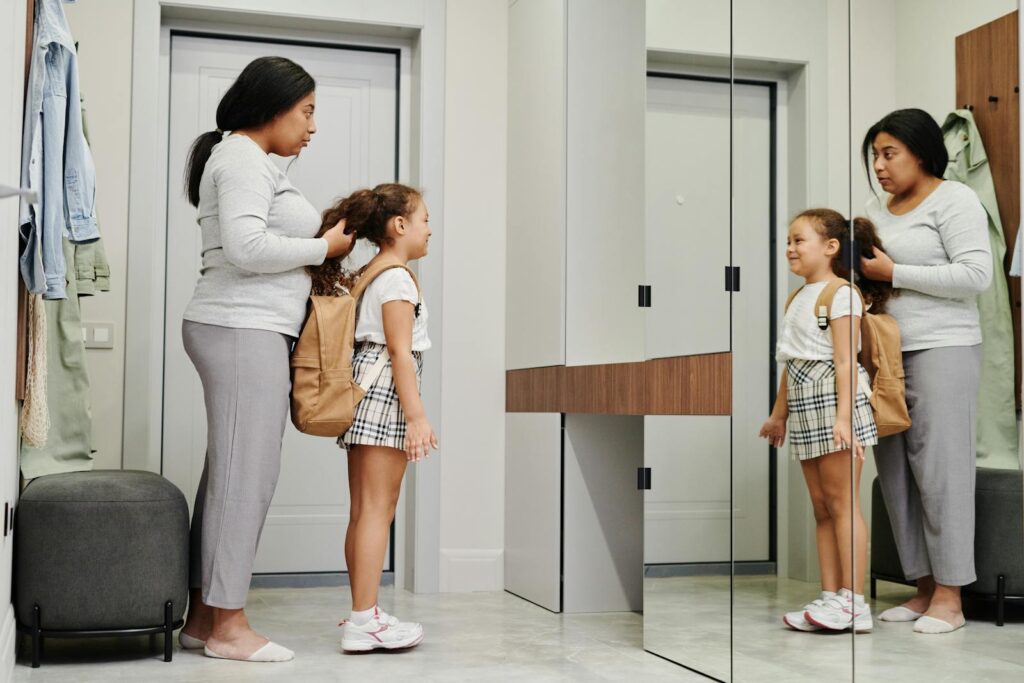
Every school call, doctor visit, and permission slip has a way of finding the same parent. The phone rings at work, the portal pings, the daycare form is due, and somehow one person is always the point of contact and the backup plan. On the rough days, it can feel less like co-parenting and more like quietly running a small company with no HR department and very little time off.
That default role is not just about who shows up at the pediatrician or remembers soccer cleats. It is also about the constant mental tab of who needs what, when, and how they might melt down if it does not happen. The job description is invisible, but the exhaustion is not.


The hidden job description of the default parent
The default parent is usually the one who keeps the master calendar in their head, knows which kid likes which brand of yogurt, and can recite the school nurse’s number from memory. Even in homes where both adults work full time, one person often becomes the automatic contact for every teacher email, daycare question, and pharmacy pickup. On r/daddit, one father described having the more flexible job and handling drop offs, pickups, and appointments, yet still watching everyone default to the kids’ mother for decisions, a reminder that culture often treats mothers as command central no matter who is actually doing the logistics.
Therapists describe this as part of the broader mental and emotional load of parenting, the work that happens before any visible task gets done. One clinician explains that parents need to name the mental, not just the chores, because the constant anticipating, tracking, and worrying is its own form of labor. Another expert defines the parenting mental load as all the emotional and cognitive work that goes into caring for a family, from keeping track of school spirit days to checking in with grandparents, and notes that keeping track of and their needs is itself a demanding job.
How default parent patterns get built
Default status rarely arrives with a big conversation. It creeps in through small decisions that harden into habits. One partner might take more parental leave, or have a job that allows mid day calls, so they become the one the school calls first. Over the years those patterns deepen, and as one therapist notes, all of those the routine becomes so ingrained that resentment quietly builds and communication often shuts down. What started as a practical choice slowly turns into an unspoken rule about who is responsible for everything.
Gender expectations still play a heavy role. Clinicians who write about the “mother load” point out that women often carry the invisible planning and emotional labor even in households that look equal on paper, and that this pattern is deeply tied to how children are taught to see caregiving. Some family law experts now talk about default parent syndrome, where one parent, often the mother, ends up with most of the emotional, logistical, and day to day duties, a dynamic that can even shape how separation and custody feel later on.
Sharing the load without starting a war
Shifting out of default mode starts with saying out loud what has been happening, and doing it before total burnout hits. Therapists who work with overwhelmed parents suggest beginning with concrete examples instead of vague complaints, such as listing every step involved in “taking the kids to the doctor” from scheduling to pharmacy runs, so a partner can see the full scope of what is on one person’s plate. One counselor recommends that parents offer tangible examples and then ask directly for different behavior, rather than hoping the other adult will suddenly notice the strain.
That conversation can feel risky, which is why several experts encourage some self reflection before launching in. One guide on rebalancing responsibilities suggests parents start the conversation by naming where they feel overwhelmed and then asking, “What can you do to make it easier?” instead of dropping a list of grievances. Another therapist focused on emotional labor in parenting urges people to slow down and, as she puts it, follow their own pace and see what feels good when they experiment with handing off tasks, so the change sticks rather than sparking a new round of conflict.
More from Decluttering Mom: