Influencer mom dies days after elective breast augmentation she reportedly called her “dream” surgery
Madison Clark
Credit : Derlaya Alves/Instagram
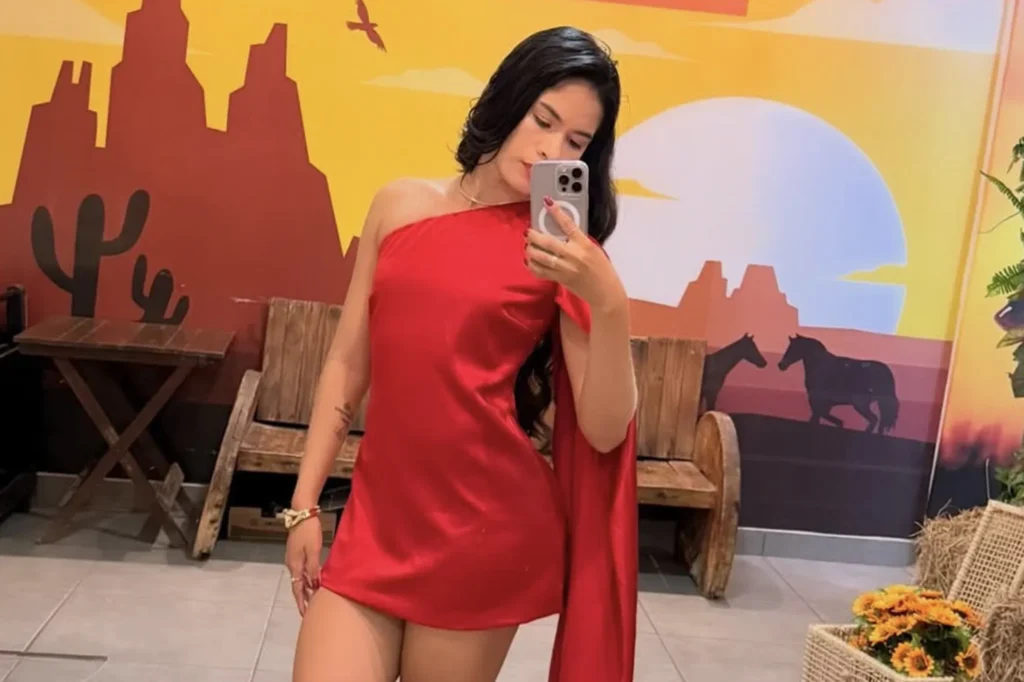
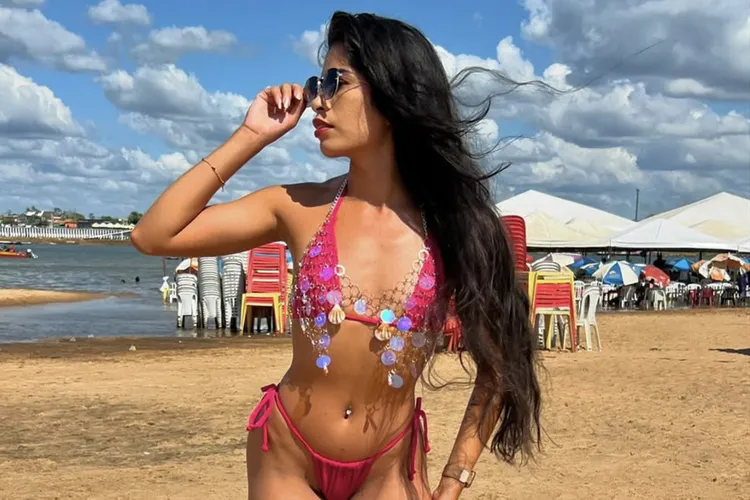
Derleya Alves was 26, a mother of one, and a Brazilian content creator with a growing following when she walked into a clinic for breast augmentation surgery in early 2025. Eight days later, she was dead.
Alves experienced serious post-operative complications that required at least two additional medical interventions. Doctors were unable to stabilize her. The specific cause of death has not been publicly confirmed, and as of March 2026, it is unclear whether Brazilian authorities have opened a formal investigation into the clinic or the surgeon involved.
On her Instagram account, Alves had spoken openly about wanting the procedure. She described it as something she had looked forward to after pregnancy and early motherhood, a way to feel more like herself. Pre-surgery selfies and upbeat captions now sit frozen on her profile, artifacts of a confidence she clearly felt going in. Friends quoted in NationalWorld described a woman who believed she had done her homework and saw the operation as a milestone, not a risk.
Credit : Derlaya Alves/Instagram
What went wrong
The details that have emerged so far are incomplete. Reporting from News18 states that Alves underwent evaluation and extensive testing after the initial surgery, suggesting her condition deteriorated significantly before the follow-up interventions. No outlet has published the name of the operating surgeon or the facility where the procedure took place.
Breast augmentation is one of the most commonly performed cosmetic surgeries in the world. According to the International Society of Aesthetic Plastic Surgery (ISAPS), Brazil consistently ranks among the top countries globally for cosmetic procedures. The organization’s most recent survey data showed Brazil performing more than 1.5 million surgical cosmetic procedures in a single year, second only to the United States. Mortality from breast augmentation specifically is rare. Published medical literature puts the fatality rate at roughly 1 in 50,000 to 1 in 100,000 procedures, with the most common life-threatening complications being anesthesia reactions, pulmonary embolism, and infection leading to sepsis.
That statistical rarity offers little comfort to Alves’ family. She leaves behind a young child whose early life was documented in the same social media feed that chronicled the lead-up to surgery.
A pattern that keeps repeating
Alves is not the first young Brazilian influencer to die after elective cosmetic surgery, and the accumulation of similar cases has sharpened public scrutiny of the country’s cosmetic surgery industry.
In November 2023, Luana Andrade, a 29-year-old influencer and reality TV personality, died in a São Paulo clinic during liposuction. Andrade went into cardiac arrest after approximately two and a half hours in the operating room, reportedly following a respiratory collapse. People reported that she had shared a final message with fans before the procedure. Brazilian outlet G1 Globo profiled Andrade as a fitness and fashion creator whose content blurred the line between personal aspiration and professional branding, making cosmetic procedures feel like a natural extension of her work.
Then, in early 2025, another Brazilian influencer, Bianca Dias, reportedly died after experiencing shortness of breath following a cosmetic procedure. Details about Dias’ case remain sparse, with no major outlet publishing a full account of what procedure she underwent or what caused her death.
Three cases do not constitute a statistical trend, but they share a recognizable shape: young women with public platforms, procedures framed as routine self-improvement, and outcomes that blindsided everyone around them.
The hidden medical risks behind a “dream” procedure
Cosmetic surgery marketing, particularly on Instagram and TikTok, tends to emphasize transformation and minimize recovery. Before-and-after reels compress weeks of healing into seconds. Testimonials from influencers who received discounted or free procedures in exchange for content can make major surgery look as casual as a salon visit.
Board-certified plastic surgeons have pushed back on this framing for years. The American Society of Plastic Surgeons (ASPS) has repeatedly warned that any surgery requiring general anesthesia carries inherent risks, including blood clots, adverse reactions, and post-operative infection. Those risks increase when patients choose providers based on cost or social media presence rather than credentials and facility accreditation.
In Brazil, the situation is complicated by the sheer scale of the industry. The country has more plastic surgeons per capita than almost any other nation, according to ISAPS data, and cosmetic procedures are deeply embedded in the culture. While many Brazilian surgeons are highly trained, patient advocacy groups have raised concerns about unlicensed practitioners, unaccredited clinics, and a lack of standardized post-operative monitoring protocols, particularly outside major hospital systems.
None of the reporting on Alves’ case has indicated whether her surgeon was board-certified or whether the clinic met accreditation standards. Until those details surface, the medical specifics of what went wrong remain an open question.
What her case says about influencer culture and surgery
The conversation around Alves’ death has moved beyond the details of one operation. On social media, followers and fellow creators have used her story to ask uncomfortable questions: How many influencers promote procedures they were paid or incentivized to undergo? How often do creators share the full recovery process, including complications? And who bears responsibility when a young woman with a platform treats surgery as content and something goes catastrophically wrong?
There are no easy answers. Alves, by all accounts, made her own decision. She was enthusiastic about the surgery and transparent with her audience about wanting it. But the ecosystem she operated in, one where cosmetic procedures generate engagement, sponsorship opportunities, and aspirational branding, made that decision feel lower-stakes than it actually was.
Her death is a reminder that the gap between how cosmetic surgery is sold online and how it functions in an operating room can be measured in lives. For her family, for her child, and for the followers who watched her count down to a procedure she never should have had to fear, that gap proved fatal.
More from Decluttering Mom: