


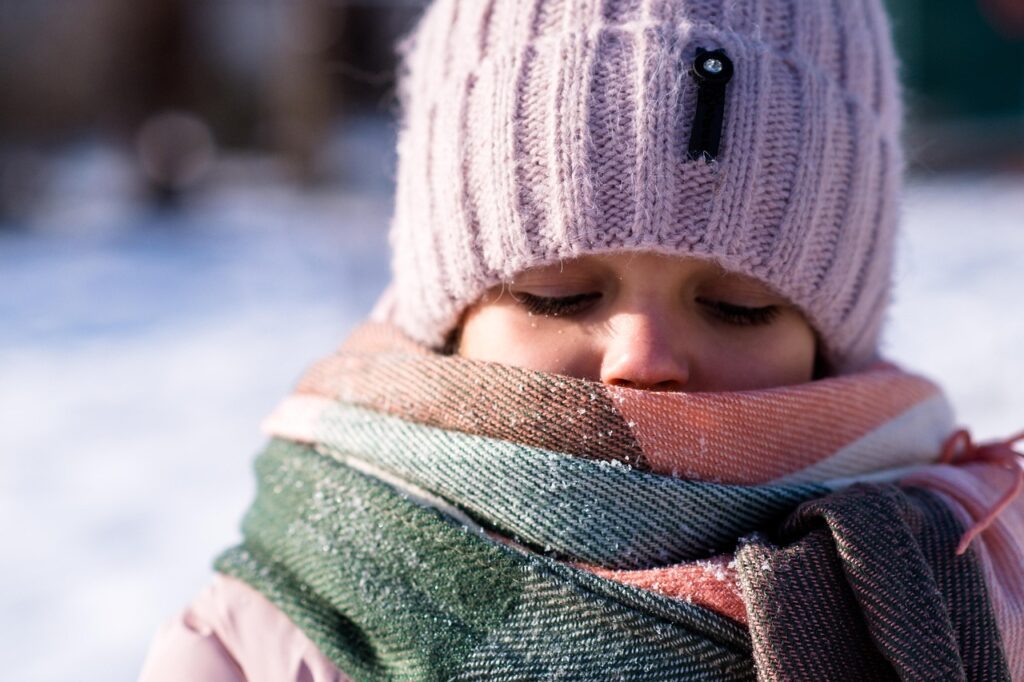
Parents know the scene: the thermometer is plunging, the sidewalk is icy, and their child is calmly pulling on shorts as if it were a July afternoon. The clash between winter reality and kid logic can turn every school morning into a standoff. The real question is not whether this is annoying, but whether it is actually unsafe, and how far a parent should go to fight it.
Experts say the answer lives in a gray zone, where health risks, child development, and family sanity all intersect. With the right guardrails, some kids can get away with bare legs in cold weather, but there are clear limits, and understanding those boundaries can turn the daily argument into a more thoughtful negotiation.


What is actually dangerous about shorts in the cold?
From a medical standpoint, cold exposure is less about fashion choices and more about how long skin is uncovered and how low the temperature drops. Pediatric guidance notes that Your child should not play outside when the temperature or wind chill falls below about 20 degrees Fahrenheit, because exposed skin can be at risk for frostbite. When legs are bare in those conditions, the cold can damage tissue long before a child admits to feeling uncomfortable. That risk is higher if a child is standing at a bus stop, walking a long distance, or playing outdoors for extended periods.
Doctors who focus on winter safety emphasize that kids often insist they are fine in shorts and flip flops, but adults need to look past those protests. Pediatric advice on cold weather notes that caregivers should Dress Kids Warmly still checking for hazards like ice or other obstacles before sending them out. Weather specialists who look at frostbite and hypothermia warn that even older kids can underestimate how quickly cold air and wind strip heat from exposed skin, which is why health segments on winter clothing battles highlight the link between shorts, frostbite, and hypothermia.
When is it medically fine to let them win?
Not every chilly morning is a medical emergency, and some pediatricians carve out a middle ground. Guidance from a children’s hospital explains that When temperatures dip below about 40 degrees, bundling up becomes more important, especially with wind that makes the air feel even colder. At the same time, those experts note that there are situations where it is reasonable for kids to wear shorts in cold weather, particularly if they are only outside briefly and have warm layers on their core, head, and feet. Another pediatric resource on the same topic reinforces that While heavy bundling is crucial in extreme cold, there is room for flexibility in milder conditions.
Regional weather experts echo that nuance. In Mar coverage from COLORADO meteorologists, specialists point out that in some climates, kids can tolerate shorts for short periods if they are otherwise dressed warmly and can head indoors quickly if they start to feel cold. That same discussion, repeated in another COLORADO segment, stresses that parents should watch for shivering, numbness, or complaints of pain, which signal that a child’s body is no longer coping well with the cold.
Why are kids so determined to bare their legs?
Once the thermometer question is settled, parents are left with the psychological one: why is this the hill so many children choose to die on, so to speak. Child development specialists say the shorts obsession is rarely about fashion alone. A psychologist writing about winter clothing battles argues that Being allowed to choose shorts in winter can feel like a safe way for kids to test limits while still staying connected to their parents. It is a visible, daily choice that signals independence without touching bigger, riskier behaviors.
Broader cultural analysis suggests that this trend is part of a larger shift toward self expression. A report on boys’ clothing habits notes that Many boys see shorts as more comfortable and as a quiet rejection of rigid dress codes. A therapist and school counselor, Phyllis Fagell, who wrote the book Middle School Matters, has described winter shorts as a kind of assessment of maturity and wardrobe independence, especially for tweens who are desperate to show they can make their own decisions.
What do pediatricians say about drawing the line?
Medical opinions are not entirely uniform, but they cluster around a few clear boundaries. Some pediatricians take a relatively relaxed view, telling parents that wearing shorts or skipping coats in cold weather is usually not life threatening if the child is otherwise healthy and exposure is brief. That perspective appears in guidance that frames the shorts fight as a power struggle parents do not always need to win, as long as they still insist on basics like hats and gloves, a point echoed in advice that But parents should still focus on covering the head.
Others are firmer. Dr. Elaine Schulte, chair of general pediatrics at Cleveland Clinic Children Hospital, has taken a more hard line, warning that certain conditions can make wearing shorts a danger rather than a quirk. In another discussion of the same issue, Dr. Elaine Schulte underscores that children with asthma, circulation problems, or certain chronic illnesses may be more vulnerable to cold stress. Pediatric winter advisories add that Winter clothing choices should be stricter for very young children, who lose heat faster and cannot always say when they are too cold.
How to turn the daily battle into a workable truce
For families, the practical challenge is less about memorizing temperature charts and more about surviving the morning routine. Occupational therapists who coach parents on clothing battles suggest planning ahead so there is less room for argument. One set of Parenting Tips recommends that caregivers Lay out clothes the night before, including a jacket, hat, and gloves, so mornings run a little smoother. The same therapists note that Lay planning can reduce the sense of surprise that often triggers resistance.
Comfort also matters. Children who refuse certain fabrics or layers may be reacting to sensory discomfort rather than pure stubbornness. Specialists who work with kids who are picky about clothing suggest starting with softer, less restrictive options and building from there. One set of Quick tips advises parents to Try more comfortable clothing first, then gradually introduce new textures. That same guidance repeats that caregivers should Try small changes and use positive feedback so kids can Smal step their way toward better choices.
More from Decluttering Mom: