



Thrifting has long promised a small rebellion against rising prices, a place where patience and a sharp eye could beat the algorithmic chaos of online resale. That promise is exactly what drew a New Jersey shopper to a Goodwill store, where she happily paid $20 for a teapot she believed was a bargain. The illusion cracked only when she visited another Goodwill for the matching cups and discovered that the chain’s pricing now rivals, and sometimes exceeds, the very resale sites thrifters are trying to avoid.
From $20 teapot to sticker shock

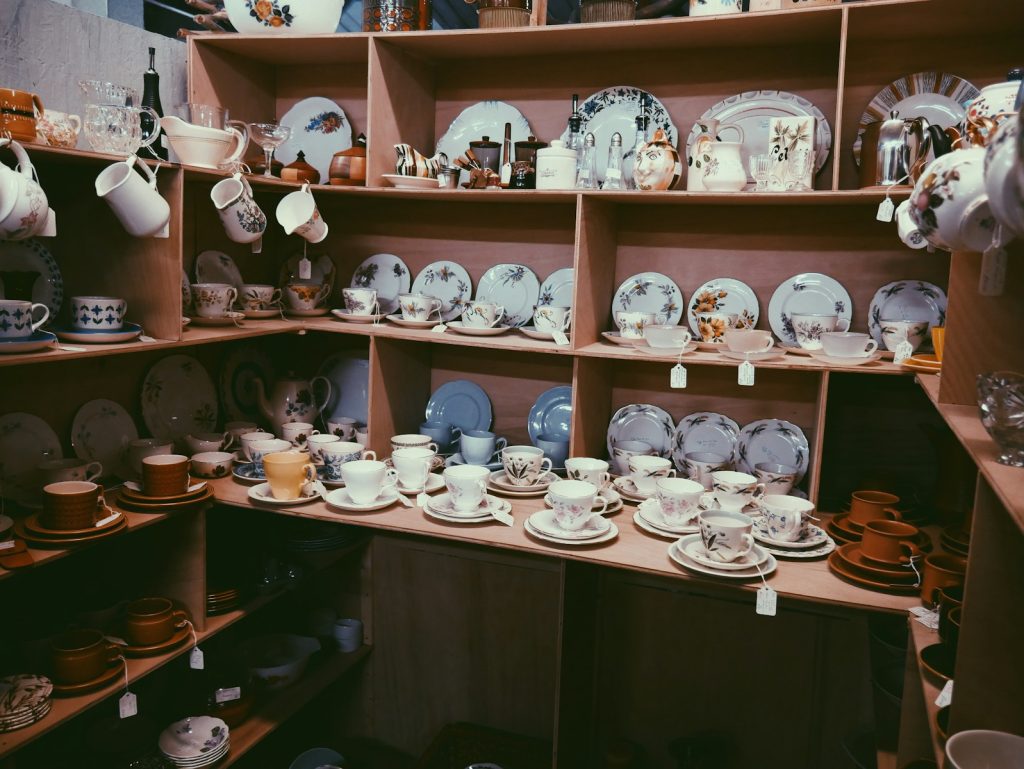
The New Jersey woman’s story begins like countless TikTok and Reddit thrifting hauls: a casual browse, a flash of recognition, and the thrill of finding something special on a crowded shelf. She spotted a teapot priced at $20, a number that might once have sounded high for a donated item but now feels almost normal in some secondhand aisles. In her telling, thrifting is supposed to be the one place where shoppers can escape the feeling that every item has already been combed through and marked up to the last cent of its resale value, a sentiment echoed in coverage that notes how thrifting is supposed to be where you beat the system. She bought the teapot anyway, trusting that $20 still represented a deal compared with what she might pay online.
The twist came when she went to another Goodwill for the matching cups and found that the companion pieces were priced even higher than similar listings on resale platforms. In her account, the discovery that Goodwill was charging more than eBay for donated dishware turned a fun hunt into a case study in how far thrift pricing has drifted from its roots. The shopper’s frustration was not just about a single set of cups. It was about realizing that a chain built on donations and community goodwill now appears to be benchmarking prices against the very online marketplaces that many low income and budget conscious customers cannot afford to chase. The teapot that once felt like a small victory suddenly looked like evidence that the house, not the thrifter, is winning.
‘It’s more than eBay’ and the new thrift economy
What makes the New Jersey story resonate is how neatly it captures a broader shift in the thrift economy. In her video, the creator describes how she checked comparable listings and realized that Goodwill’s price on the matching cups was not just competitive with online sellers but higher, prompting her to say that it was “more than eBay.” Her complaint is not simply that the cups were expensive, but that a charity retailer is now acting like a data driven reseller, combing through brands and patterns to squeeze out every possible dollar. The creator explains how she sees Goodwill as “so greedy,” a phrase that has become shorthand for a growing sense that Goodwill is pricing like a for profit marketplace rather than a safety net for people who rely on secondhand goods.
That perception is reinforced by other viral moments that have nothing to do with teapots but everything to do with trust. In one widely shared Reddit post, a Shopper described an unsettling discovery at Goodwill that “made me sick,” after realizing that an item on the shelf appeared to be something that should have gone to a charity like a Trust or as a Gift instead of being resold. The post, shared in the r/ThriftGrift community, sparked a debate over whether the item was truly a donation or something that had been diverted into the retail stream, feeding suspicions that Goodwill is blurring the line between mission and monetization. When shoppers see both eyebrow raising prices and questionable sourcing, the old social contract of “donate what you can, pay what you can” starts to feel like a relic.
When thrifting feels like losing
For many regulars, the emotional core of these stories is the sense that thrifting has flipped from a way to stretch a paycheck into yet another arena where algorithms and corporate strategies dictate who gets access to what. The New Jersey woman’s $20 teapot, followed by the shock of seeing matching cups priced above eBay, reads like a parable about how quickly a bargain can turn into a reminder of inequality. If Goodwill is scanning brands and patterns to set prices that match or exceed online resale, then the shoppers who once depended on these stores for affordable basics are effectively being asked to compete with collectors and resellers who have more time, more data, and more disposable income. The phrase “It’s more than eBay” lands as a gut check, a sign that the thrift aisle is no longer a refuge from the broader market but an extension of it.
At the same time, the backlash unfolding in spaces like r/ThriftGrift and in viral videos about teapots and “Made me sick” discoveries suggests that customers are not willing to quietly absorb this shift. They are documenting price tags, comparing them to online listings, and questioning whether chains like Goodwill still deserve their donations and their dollars. The stakes are not just about one New Jersey shopper or one set of cups. They are about whether thrifting can remain a practical option for people who need it most, or whether it will become just another curated, data driven marketplace where the thrill of the hunt is overshadowed by the nagging suspicion that the system has already done the hunting for you, and is now charging a premium for the privilege.
More from Decluttering Mom: