


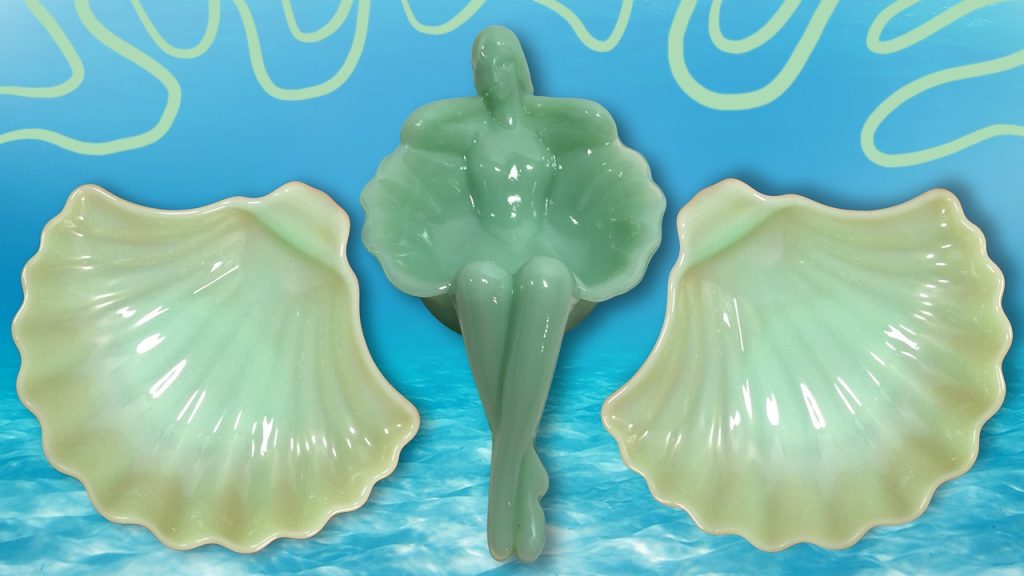
Ever wondered about those lovely green dishes in your grandmother’s kitchen? The ones that somehow manage to look both vintage and timeless, all at once? They’re probably jadeite dishes, particularly those from Fire King and McKee. Due to their unique appeal and quality, these items have gained immense popularity among collectors over the years. This article will explore how to identify genuine jadeite and understand its value, with a focus on Fire King and McKee. The insights shared here are based on expert analysis, data, and reputable sources. Let’s dive in!
1. What is Jadeite?


Jadeite, not to be confused with the precious gemstone of the same name, is a type of opaque, milky green glassware that was popular in the mid-20th century. It was first produced and popularized in the U.S. by makers including McKee, Jeannette, and Anchor Hocking’s Fire-King line. This durable glass turned up in restaurants and home kitchens thanks to its hardworking, heat-tolerant design and that distinctive pastel green hue.
2. Identifying Fire King Jadeite
Fire King was a brand under the larger Anchor Hocking Glass Corporation, with jadeite pieces made from the 1940s through the 1970s. Genuine Fire-King jadeite often carries an impressed bottom mark such as “Fire-King” or “Fire-King Oven Ware.” See examples of authentic Fire-King pieces and date ranges on Replacements’ Anchor Hocking Jade-Ite dinnerware page, and read a concise overview noting the classic “Fire-King Oven Ware” mark here: “Fire-King glass is still king.”
3. Identifying McKee Jadeite
McKee Glass Company produced jadeite (often spelled “Jadite” in period materials) primarily from the 1930s to the 1950s. Many McKee kitchen pieces are identified by the “McK” mark, sometimes within a circle. See a reference image and discussion of the McK-in-a-circle mark here: GlassBottleMarks: McKee Glass Company. For pattern overviews and current listings, browse Replacements’ McKee Jadite and the McKee Laurel Jadite Green pages.
4. Value of Jadeite
Values vary by maker, pattern, condition, and rarity. As one benchmark, the coveted Fire-King jadeite ball jug commonly trades in the $500–$800 range in good condition, per Country Living’s collector guide. More common pieces typically run from a few dozen dollars into the low hundreds; you can compare real-world asking prices and availability across many forms via Replacements for Anchor Hocking/Fire-King Jade-Ite (Restaurant Ware) and McKee Jadite. For broader context on Depression-era and mid-century glass markets, see Kovels’ overview of Depression glass.
In conclusion, jadeite—especially pieces from Fire-King and McKee—offers a charming blend of history, utility, and collectible appeal. Knowing the makers’ marks and common patterns will help you spot authentic examples, and checking recent market references will keep your valuations realistic. The next time you see that soft green glow at a flea market or estate sale, you’ll know exactly what to look for.