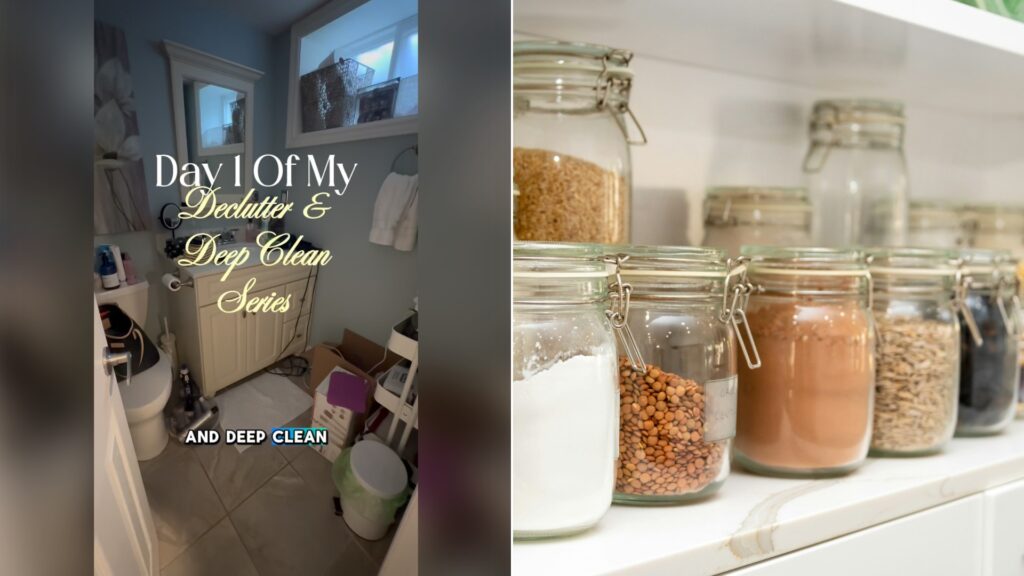
There is something in your house right now that you have already tried to get rid of at least twice. Maybe it is a box of your mother’s things at the back of a closet, a guitar you have not played in six years, or a stack of letters you pick up, hold for a minute, and put back in the same spot. A YouTube channel about Japanese home habits says the reason it is still there comes down to the question you ask.
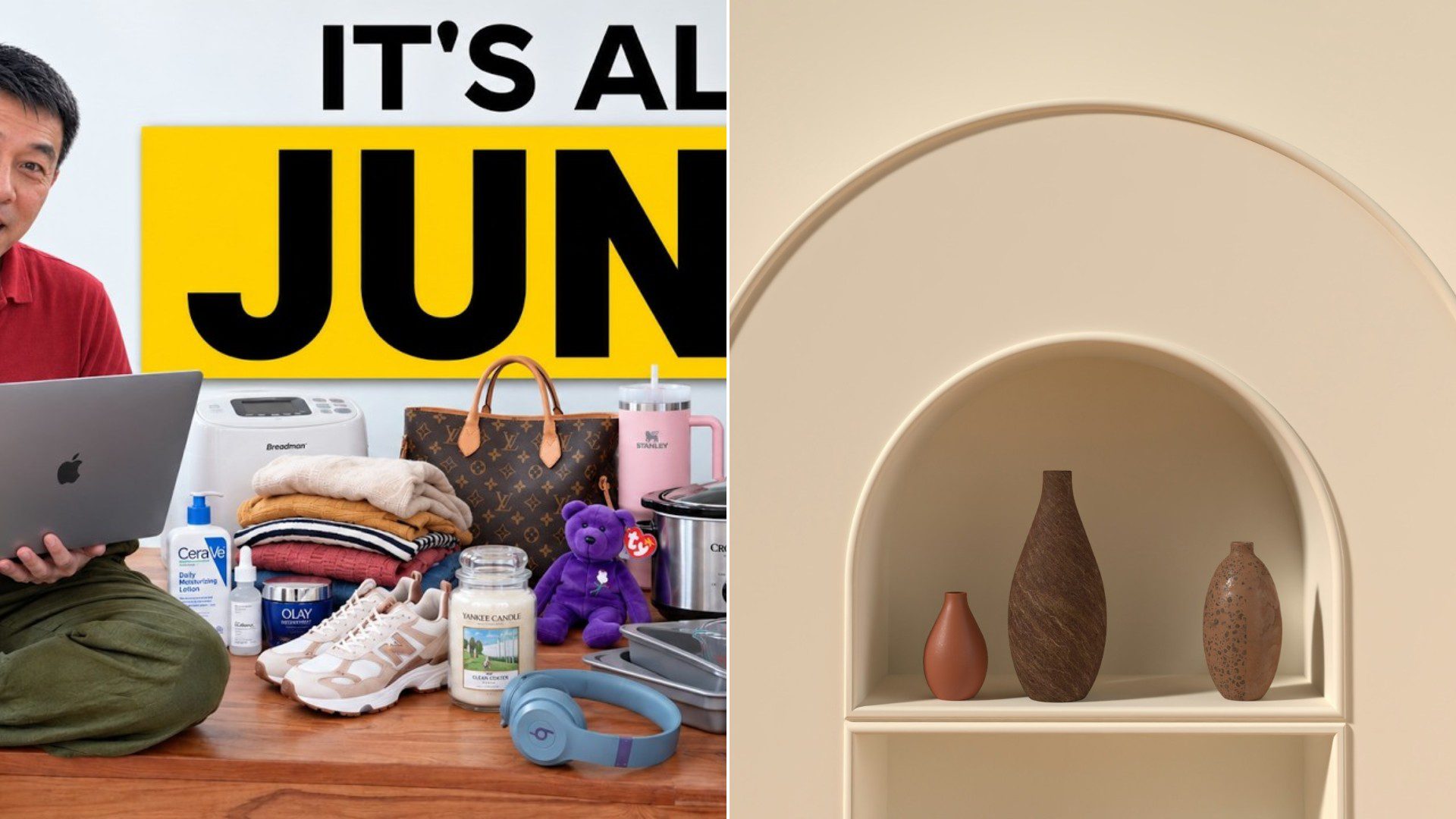
The creator behind The Japanese Method explains that most people pick the object up and ask whether it still means something to them. He calls that question a trap. If the answer is no, it feels like saying the person who gave it to you did not mean anything either, so the thing goes back on the shelf and the answer comes out yes every single time.
Japanese households, he says, ask something completely different about the same object. They ask whether the thing has finished its work.
Has It Finished Its Work?
There is a phrase for it, yakume owata, which means an object has completed the role it was given. A coat was given the job of keeping you warm through a few winters. A set of dishes was given the job of feeding your family during the years when everybody still lived under one roof. Once that job is done, he says, hanging on to the thing is not doing anything for you anymore.
His point is that the memory was never stored inside the object. What normally happens is that the item ends up in a box at the back of a closet, and you do not open that box for nine years. At that point the object is not even reminding you of the person anymore.
He shares ten Japanese tips for letting go of things people decided years ago they could never part with. Some, he says, are hundreds of years old, and some are simply how an ordinary Japanese household runs. All of them deal with the guilt that arrives the second you pick up something with a memory attached.
Start Easy, Display One, Ask The Right Question
The first tip is to start with the easiest things you own and work toward the hardest. The idea comes from the word kaizen, which means improvement. A small change made over and over beats one enormous effort. If you spend a Saturday on your clothes and a Sunday on your kitchen, he says, you will have made maybe 400 small decisions by the following weekend, and your brain treats the 401st very differently. For day one, he suggests tossing expired items from the bathroom cabinet and pulling out any coat nobody has worn in two winters.
The second tip is to display one thing at a time. A traditional Japanese room has an alcove called a tokonoma where a family displays a hanging scroll and often one small flower arrangement. Families may own half a dozen scrolls and keep the rest rolled up in boxes, swapping them with the seasons. At home, that means putting a single teacup from an inherited set on the shelf and boxing the other five. After a month, he says, you will open the box and feel almost nothing, and giving those five away becomes easy.
The third tip borrows from a practice called Naikan, which means looking inside. Instead of asking about the object, ask a question about yourself: what happens to me if this leaves the house? He gives two examples. A person holding unopened art supplies may realize that throwing them out feels like admitting they are no longer an artist. A person holding a father’s toolbox may realize the tools are the last thing he touched with his hands. Those are different problems, he says, and neither is about storage.
Say Thank You And Take A Photo
The fourth tip is to thank the object before it goes. He points to Hari Kuyo, a memorial service for needles held on February 8 in eastern Japan and December 8 around Kyoto. Sewers bring their broken and bent needles to a shrine and push each one into a block of soft tofu, a gentle resting place after a life spent in stiff cloth. At home, he says, you can hold an item and thank it for the specific job it did, such as keeping you warm in an apartment with bad heating. That acknowledgment makes the donation bag feel less like a betrayal.
The fifth tip is to photograph the item, then let it go. He ties it to mono no aware, the awareness that everything passes. Children’s artwork, concert tickets, trophies, and baby clothes are the categories where people keep 40 things that remind them of the same six months. He suggests photographing a child’s drawings four at a time from directly above and keeping two originals, so you end up with a folder you can scroll through together instead of a box nobody opens.
The sixth tip is to keep only the single best item from anything, a principle he links to the Zen idea of kanso, simplicity through taking things away. Your college years get one item, and so does your grandmother. Someone with 35 birthday cards from a parent can find the one with a real paragraph in about four minutes and recycle the rest.
Set A Limit And Accept The Season Is Over
The seventh tip is to give yourself a physical limit. A traditional Japanese room has one built-in closet, an oshiire, about three feet deep, the depth of a folded futon. The house sets the number of things you can own. At home, choose a box first, fill it, and stop when the lid closes. Anything left over leaves the house that week.
The eighth tip is to accept that a part of your life is over and that letting go of the objects does not erase it. He points to koromogae, the changing of clothes, which happens on June 1 and October 1, when households put the cold-weather clothes away and bring the warm-weather ones forward. Maternity clothes, old climbing gear, and baking pans from a time when five people sat at the table belong to seasons that already ended. Getting rid of them does not take the season away, and keeping them does not extend it.
Look From The Other Side And Pass It On
The ninth tip is to turn the situation around and look at it from the other side, which he says matters most with belongings of someone who died. In Japan there is a profession built around this called ihen seiri, sorting the belongings of the deceased, and trained teams go through a home room by room. They keep a small number of things for the family and pass the rest to somebody who can use it, and they can do that without cruelty because they know a house full of belongings is not the person. He ties it to omoiyari, thinking ahead about how your choices will land on somebody else. If you died this year, would you want your children to keep your mixing bowls for the next 30 years? Almost everybody says they would want their kids to keep two or three things and pass the rest along. For today, he suggests choosing just the two things you would want in your own hands for the rest of your life.
The tenth tip is to see what your things could do for somebody else. He offers two words here. Mottainai is the feeling you get when something useful is going to waste, and osusowake is the habit of passing a portion of what you received to a neighbor. A winter coat nobody has worn in nine years is being wasted while it sits in your house, and giving it away is what stops the waste. The sewing machine can go to a high school theater department running a costume shop on nothing, the tools to a neighbor fixing up a house, and the dinner set to a young couple eating off two plates. He suggests finding the actual person who would use one item this month, contacting them so it becomes a real arrangement, and setting a paper with their name on the item.
The same advice applies to anyone holding on to a box of guilt. Pick one item this weekend, ask whether it has finished its work, say thank you, and see how fast the answer arrives.
More Stories You May Like
- Professional Says You Do Not Need Another Bin You Need Six Decluttering Rules That Actually Work
- Minimalism Author Joshua Becker Shares the Powerful Question to Ask When Decluttering That Pushes Past Your Comfort Zone
- Moms Are Cheering A Birthday Party Idea Where Guests Bring Just Seven Dollars For A Seventh Birthday Instead Of Another Last Minute Target Gift