

Cluttered counters silently signal disorder across your whole home, even when the rest of your space is tidy. Clear the countertops of nonessential items and your kitchen will instantly feel calmer and make the entire house appear more organized.
You probably keep appliances, mail, and utensils within arm’s reach for convenience, but those everyday habits create visual noise that spreads into other rooms. The next sections break down the most common countertop offenders and give simple, practical strategies to keep surfaces clear without sacrificing the things you use most.

Most Common Countertop Clutter Culprits
Counters often become catch-alls for everyday items that reduce usable prep space and make the whole kitchen feel untidy. Tackle a few key habits and you’ll reclaim surface area, cut visual clutter, and make cleaning faster.
Small Appliances Dominating Prep Space
Small appliances like toasters, blenders, and coffee makers quickly eat valuable workspace and create a permanent “lived-in” look. If you only use the blender twice a week, store it in a pantry or an appliance garage and keep the coffee maker if you use it daily.
Install a slide-out shelf or use a lower cabinet with an electrical outlet so you can run an appliance when needed without leaving it on the counter. Label the storage spots so you return items to their home after use.
Limit what stays out by asking: did this item earn its place today? That rule prevents accumulations of multiple single-use gadgets and keeps prepping, chopping, and plating clear of obstacles.
Dirty Dishes and Overloaded Drying Racks
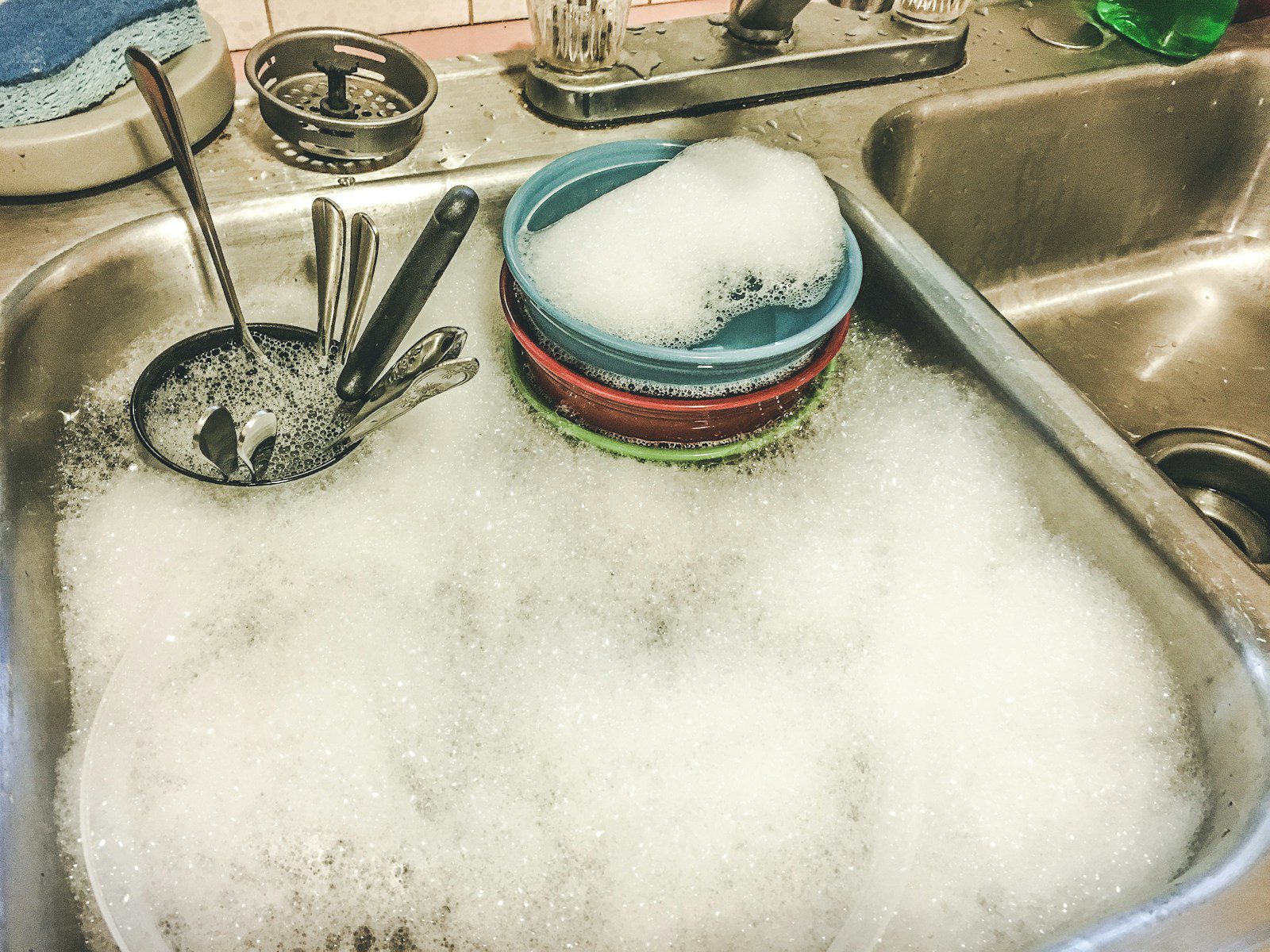
Piling dirty dishes and a full drying rack makes countertops look constantly messy and invites odors and pests. Wash or load the dishwasher within an hour of use to prevent stack-ups. If you hand-wash, use a compact drain board and empty it immediately when dishes are dry.
Keep a small caddy under the sink with dish soap, scrubber, and a microfiber cloth; it speeds up rinse-and-wipe cycles and reduces the temptation to leave items out.
If counter space is limited, use a foldable drying mat that you can store in a drawer, or install a wall-mounted drying rack above the sink to free the countertop.
Paperwork, Mail, and Everyday Drop Zone Items
Keys, school papers, takeout menus, and unopened mail turn counters into a disorderly drop zone. Create a designated landing spot—preferably a shallow tray or a wall organizer—so you contain paper and small items immediately.
Sort mail daily into three labeled slots: action, file, recycle. Put a small bowl for keys and a hook strip for bags near the entry to keep them off food prep surfaces.
Limit the visible stack to one small tray; everything else gets processed or filed the same day. This habit greatly reduces visual clutter and keeps counters ready for cooking.
Visible Cords and Charging Chaos
Phone chargers, tablet cables, and small appliance cords create a tangled, messy look and reduce usable counter area. Set up a single charging station in a drawer or a small tray with cable clips to route cords neatly.
If you need chargers on the counter, use a power strip with built-in USB ports and mount it under the cabinets or behind a low-profile organizer. Label cables for each device so you don’t leave multiple cords plugged in “just in case.”
Hidden outlets, cable channels, or an under-cabinet charging drawer keep devices accessible without turning your counter into a tech graveyard.
Relevant tips and inspiration on what to keep off counters and how designers recommend storage appear in this article about things that make kitchen countertops look bad.
Smart Strategies for a Tidy and Organized Kitchen
Control what sits on your counters by giving each everyday item a clear home, using drawer inserts, wall mounts, and targeted storage so you can access what you use without creating visual clutter.
Drawer Organizers and Dividers for High-Traffic Items
Use dedicated drawer organizers for spoons, spatulas, measuring cups, and small gadgets you use daily. Choose adjustable drawer dividers or bamboo trays that fit your drawer dimensions so each item has its own slot.
Place the tools you reach for most—tongs, peelers, corkscrews—closest to the front. That reduces digging and keeps the rest of the drawer neat.
Reserve one shallow drawer for frequently used baking and prep items and label sections with simple tape labels. For bulky tools, add vertical dividers inside a deeper drawer so they stand upright and don’t pile up.
If you have limited drawer space, use a slim, under-counter pull-out tray for cutting boards and cookie sheets to keep counters clear.
Using Drawer and Wall Solutions for Knives and Utensils
Store knives on a magnetic knife strip mounted 4–6 inches above your prep area to free counter space and improve safety. A magnetic strip keeps blades visible and accessible and prevents a cluttered knife block on your counter.
Place a shallow utensil drawer with a knife-safe tray below the magnetic strip for other cooking tools. That keeps your prep zone compact and organized.
For utensils you want visible but off the counter, mount a wall organizer with rails and S-hooks near the stove. Hang spatulas, ladles, and small strainers so they’re within reach while cooking.
If you prefer concealed storage, fit a narrow utensil insert beside the cooktop in a base cabinet. It keeps items accessible without adding visual clutter.
Spice, Food Storage, and Pantry Organization
Group spices by frequency of use and store them in a tiered rack inside a cabinet door or on a narrow pull-out shelf. Label lids or the front of jars with the spice name and purchase date for quick rotation.
Use uniform airtight containers for flour, sugar, rice, and snacks. Clear containers show quantity at a glance and stack neatly to save shelf space.
Install a pull-out pantry or add slide-out baskets on lower shelves for canned goods and baking supplies. Keep bulk staples in labeled containers and place daily-use items at eye level.
Consider a small, designated shelf for frequently used oils and vinegars near the stove on a tray—this contains drips and limits the number of loose bottles on the counter. For more tips on organizing counters and storage solutions, see this practical guide to kitchen countertop organization (https://www.bhg.com/kitchen-countertop-organization-ideas-11948291).
Creative Ideas to Minimize Countertop Items
Create a coffee station on a single tray or in a single cabinet shelf so the maker, mugs, and syrups are contained and easy to move. A tray visually groups items and makes clearing the counter fast.
Use a rolling cart for overflow appliances; tuck it into a corner or pantry when not in use. A cart gives prep space and hides appliances without permanent installation.
Mount a slim wall rack for paper towels and hooks for oven mitts to keep the island and counters clear. Store seldom-used appliances in upper cabinets or an appliance garage to prevent unnecessary counter crowding.
Finally, audit daily: if an item hasn’t been used in two weeks, relocate it. Small, consistent edits prevent counters from becoming the house catch-all.