


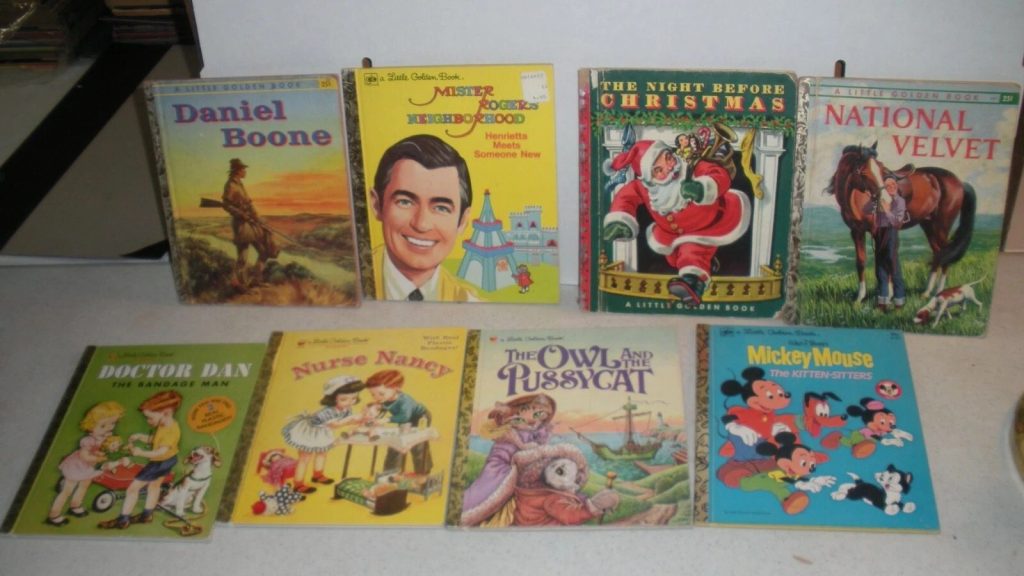
For many collectors, Little Golden Books hold a special kind of magic—nostalgic memories wrapped in colorful illustrations and timeless stories. But beyond their charm, some editions are surprisingly valuable, especially the elusive first printings.
Spotting a true first edition isn’t always straightforward, though, as publishers used subtle clues that can be easily overlooked. In this guide, we’ll walk through the key details that actually matter when identifying a Little Golden Books first edition, so you can separate everyday copies from collectible treasures.
1. “A” in the Back Cover

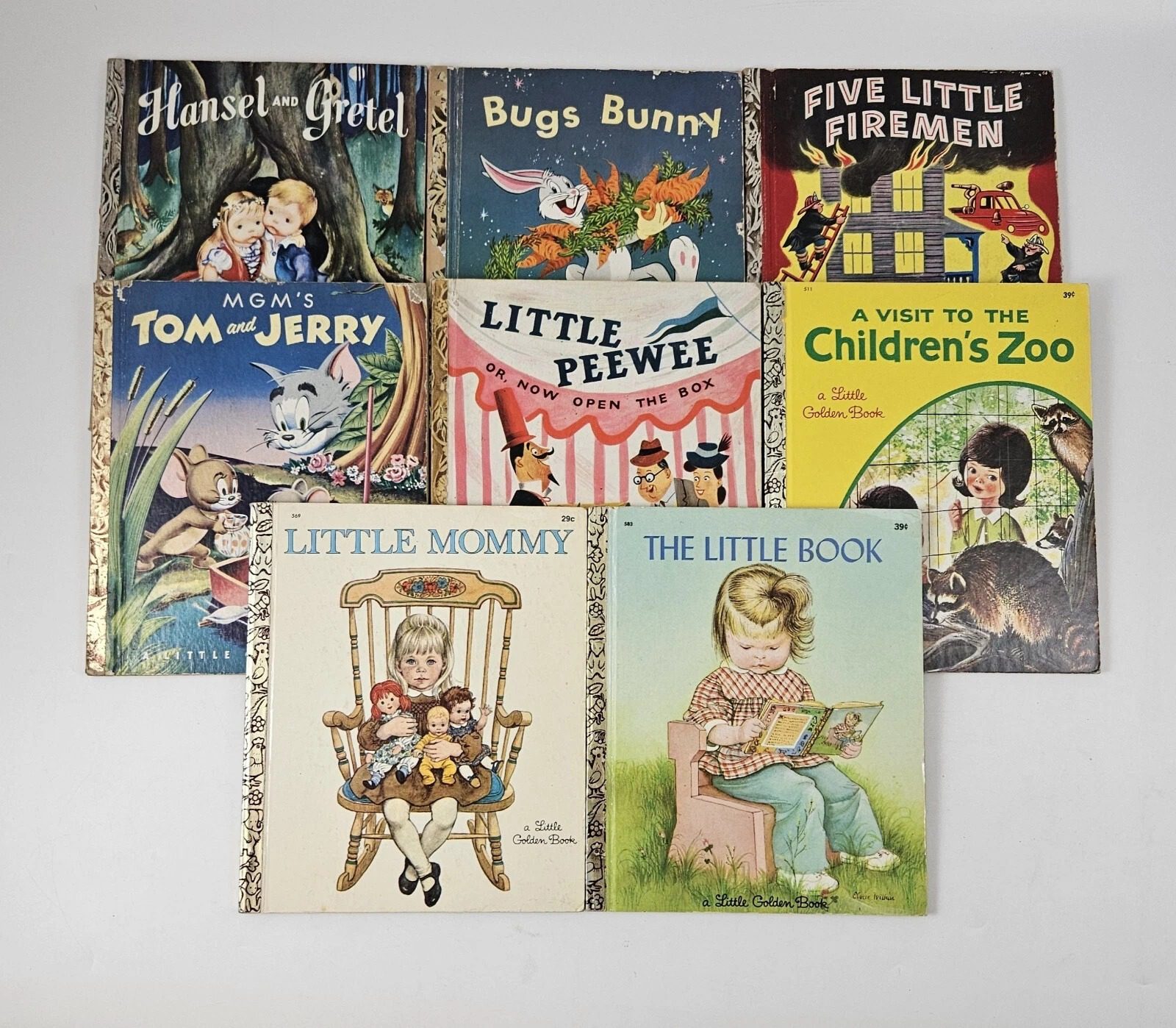
The easiest way to identify a first edition Little Golden Book is by examining the back cover. If you find a small letter “A” in the lower corner of the back cover, you’re in luck. First editions of Little Golden Books, published from 1942 to 1991, have this marking. However, make sure to cross-check this with other factors to confirm the edition. To know more, visit the Biblio guide on Little Golden Books.
2. Blue Binding Spine
Another important clue is the color of the binding spine. Little Golden Books first editions from the World War II era (1942-1945) have a distinctive blue spine instead of the familiar gold. These are highly coveted by collectors. For more information on this, check out the detailed analysis by Mental Floss.
3. Price on the Cover
Examining the price on the cover can also help you identify a first edition. Little Golden Books were originally sold for 25 cents. If the price on the cover is higher, it’s likely a later edition. However, some early books may not have a price at all, so use this clue in conjunction with others. The Smithsonian’s National Museum of American History provides helpful context on the series’ original pricing.
4. 42 Titles Listed Inside
First editions often list 42 titles on the inside front cover. If you find fewer or more, it’s likely not a first edition. This list of titles was a common feature in Little Golden Books’ first editions and varied as more titles were published. Visit Penguin Random House’s Little Golden Books page for more on their early publishing history.
In conclusion, identifying a first edition Little Golden Book can be a fascinating journey into the past. It’s a blend of historical curiosity and collector’s passion. By keeping an eye out for these four clues: the “A” on the back cover, a blue binding spine, the price on the cover, and the list of 42 titles inside, you can confidently determine whether you have a first edition. Happy hunting!