

Across the country, jars of pennies that once felt too small to bother rolling are suddenly worth a second look. As the United States winds down production of the one cent coin, a handful of community institutions are turning those forgotten cents into a modest windfall for customers and neighbors. One local bank is even offering extra cash on top of face value, effectively paying a premium for rolled change that used to gather dust in kitchen drawers.
The shift is part practical, part symbolic. It reflects both the federal retreat from low denomination coins and a broader effort by smaller financial institutions and retailers to pull idle currency back into circulation. For households sitting on years of accumulated copper, the new incentives can add up faster than expected.

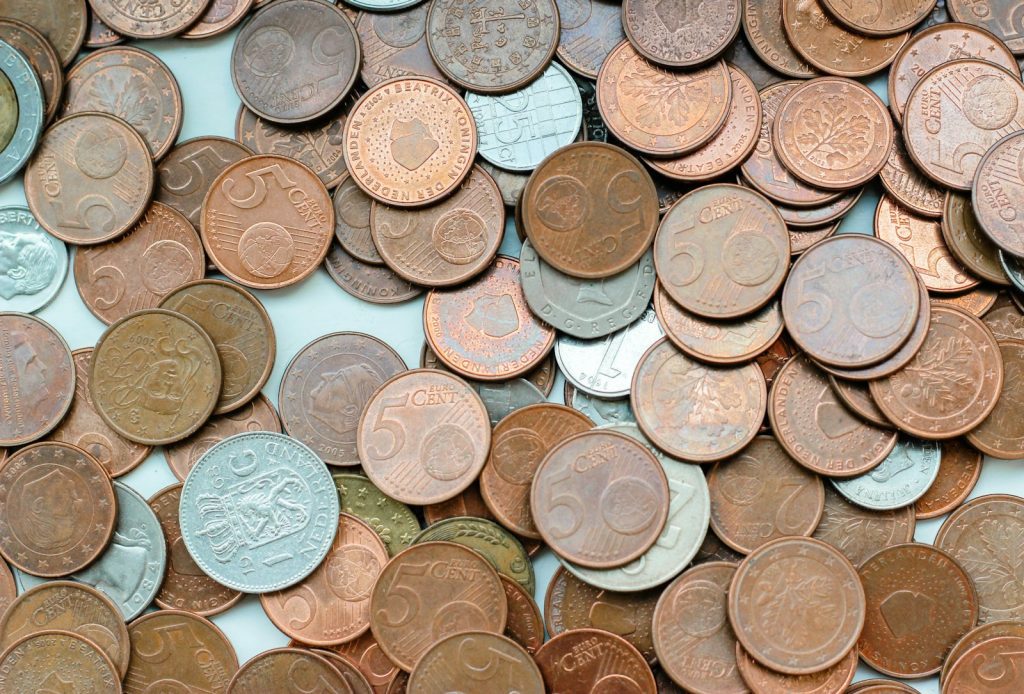
Why pennies suddenly pay more than a cent
The most aggressive move so far has come from Dart Bank, a community institution that framed its response as a neighborhood clean out and a financial education moment. Through its Dart Bank branches, the company launched a promotion called Copper That Counts, promising a 20 percent bonus on the value of pennies customers brought in. The offer was not limited to existing account holders, and the bank made clear that anyone in the community could participate, turning coffee cans of coins into a small but real bump in cash as the federal government stopped making pennies late last year. Reporting on the initiative noted that the U.S. decision to halt production means the existing supply will only move through the economy as people spend or deposit what they already have, and eventually the circulation will slow as coins are lost or hoarded.
That context helps explain why a bank would pay more than face value for a coin that is technically still legal tender. By offering a 20 percent premium, Dart Bank effectively bought time, ensuring that local businesses and customers would have enough small change to handle cash transactions smoothly while the broader system adjusts. The campaign also doubled as a branding exercise, with the institution using social media to thank participants and emphasize that Copper That Counts was open to everyone in the community, not just regular clients. In an Instagram reel titled Thank You for, the bank highlighted how residents helped keep coins circulating and underscored that the 20 percent bonus had been available across the area.
Local banks, grocers and kiosks race to capture loose change
The Dart Bank promotion is not an isolated experiment. In Colorado, a separate Local institution has been spotlighted for giving customers extra cash when they bring in pennies, again tying the offer to the federal decision to stop making the coins late last year. The message is straightforward: those pennies in banks, jars and drawers can earn a little more than their stamped value if people are willing to roll them and walk into a branch. The strategy leans on the same logic as Copper That Counts, using a modest bonus to motivate residents to convert idle change into spendable money while helping the bank shore up its own coin inventory.
Retailers are getting in on the act as well. In the Midwest, grocery chain Giant Eagle has promoted a one day event built around the simple phrase Got pennies, inviting customers to bring in their one cent coins in exchange for store gift cards. On Nov. 1, from 11 a.m. to 4 p.m., the company scheduled a collection window that effectively turned jars of change into grocery credit, a move that both supports shoppers and ensures the chain has enough coins on hand for cash transactions. National retail organizations have warned that there are still billions of pennies sitting outside the banking system, and events like this are designed to pull at least a fraction of that stockpile back into active use.
Outside of special promotions, coin counting infrastructure is quietly shaping where those pennies end up. Self service machines remain a popular option, and services like Coinstar maintain kiosks across the United States that convert loose coins into cash, e gift cards or charitable donations. A separate page invites users to Discover nearby machines and filter by service, while noting that the kiosks do not exchange gift cards or foreign currency. For households that do not have a relationship with a community bank, these machines can be the fastest way to turn a heavy jar into lighter paper money, even if they do not offer the kind of bonus Dart Bank and others have dangled.
Community banks turn coin counting into a competitive edge
Community institutions are also using free coin services as a differentiator now that larger banks have scaled back. In Indiana, With Wintrust Indiana Community Bank, customers are reminded that the company believes the little things make a big difference, and that philosophy shows up in a suite of perks that includes safe deposit boxes, currency exchange and free coin counting. Another section of the same resource underscores that COIN counting is still treated as a core service, even as many big banks have decided it is more of a headache than it is worth. By keeping machines available and waiving fees, these institutions position themselves as the natural home for residents who are finally ready to cash in their pennies.
More from Decluttering Mom: