


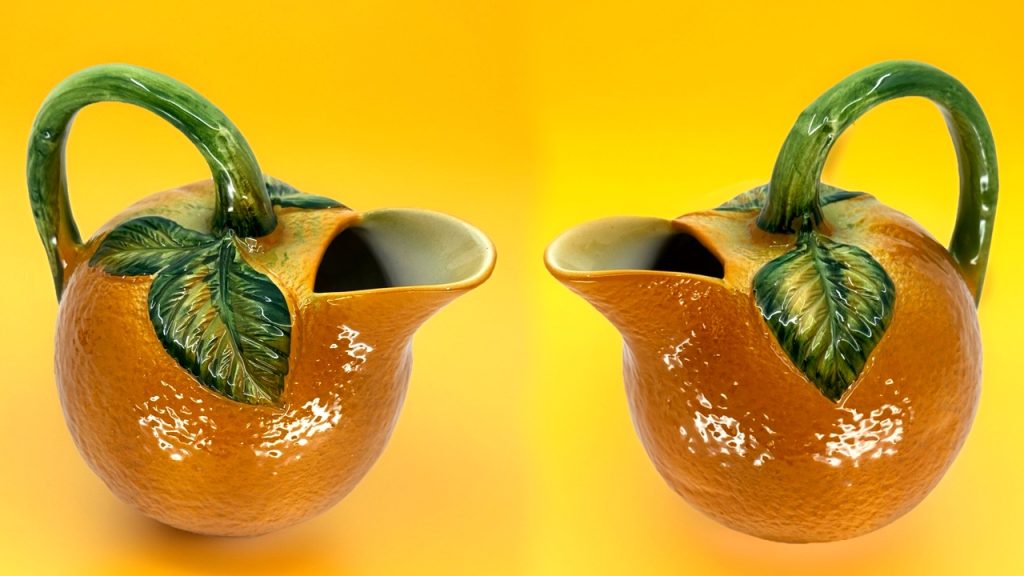
Have you ever come across a beautiful piece of pottery marked “Majolica” and wondered if it’s worth anything? If you’re a collector or simply interested in antiques, knowing how to identify and value Majolica pottery can be a game-changer. Why should you care? Because the market for Majolica is vast and varied, with some pieces fetching hundreds, even thousands, of dollars. This article taps into expert insights, real-world trends, and trusted sources to help you navigate the fascinating world of Majolica. Let’s dive right in.
1. Understand Its Origins

Majolica (also spelled maiolica in the Italian tradition) originally refers to tin-glazed earthenware developed in Renaissance Italy. The name is historically linked to trade routes through Majorca. For a concise history, see Britannica’s overview of majolica. For deeper background on Renaissance maiolica and its techniques, the Met’s essay “Maiolica in the Renaissance” is an excellent read.
2. Identify the Markings
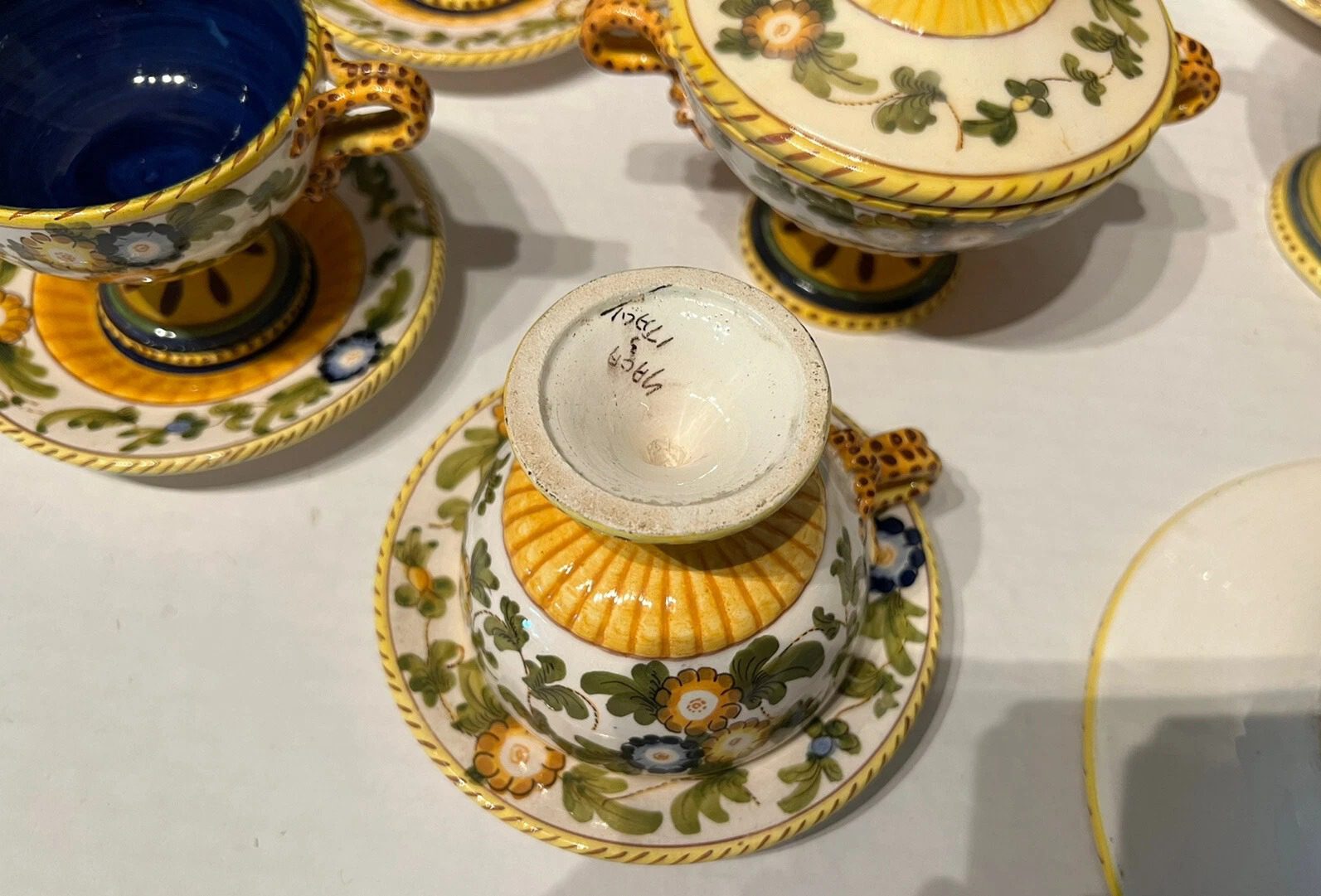
Authentic pieces often carry maker’s marks, painted, impressed, or printed on the base. A quick primer on common 19th–20th century majolica traits and collecting basics: LoveToKnow: Antique Majolica. For specific maker’s marks (Minton, Wedgwood, George Jones, etc.), see this illustrated guide: Majolica Makers’ Marks (Madelena).
3. Examine the Glaze
One defining characteristic of traditional Italian maiolica is its opaque, tin-glazed surface—typically white with brightly painted decoration—while Victorian “majolica” often uses brightly colored lead glazes on molded relief. For the tin-glazed aspect, see Britannica: Tin-glazed earthenware and the Met’s overview of Renaissance maiolica techniques: Met Museum essay.
4. Look at the Design and Colors

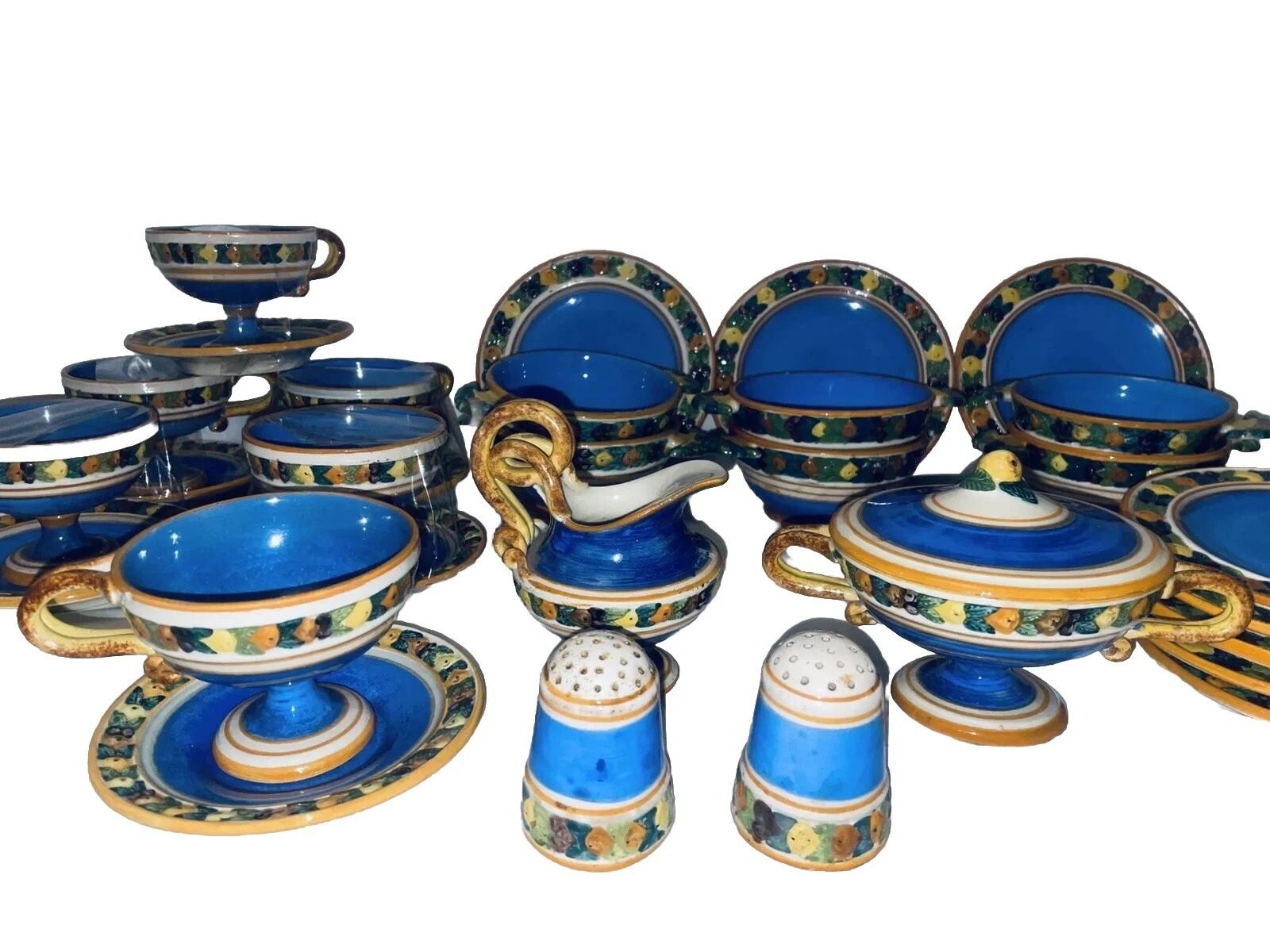
Majolica is beloved for vivid palettes and nature motifs—leaves, fruits, animals, shells—often modeled in high relief (especially in Victorian wares). For a broad collector’s overview (patterns, colors, context), see Collectors Weekly’s glass & pottery introductions and the Met’s searchable collections for Italian maiolica: Met Museum search: “Majolica”.
5. Consider Its Condition
As with any antique, condition strongly influences value. Chips, cracks, hairlines, or heavy restoration can reduce price; light craze lines (surface crackle) are commonly accepted on older glazes. If you’re assessing authenticity vs. reproduction, this guide highlights telltales seen on new copies: Real or Repro: Majolica Reproductions.
6. Get Professional Appraisal
For valuation, seek a qualified personal property appraiser (decorative arts/ceramics). Use one of these national directories to find vetted professionals by specialty and location:
- International Society of Appraisers (ISA) – Find an Appraiser
- American Society of Appraisers (ASA) – Find an Appraiser
- Appraisers Association of America (AAA) – Find an Appraiser
Navigating the world of Majolica can be exciting and rewarding with a little knowledge and understanding. Whether you’re a seasoned collector or just starting, being able to identify and value Majolica will enhance your appreciation for this unique form of pottery. So, next time you stumble upon a Majolica piece, remember these tips and you might just uncover a hidden gem.