


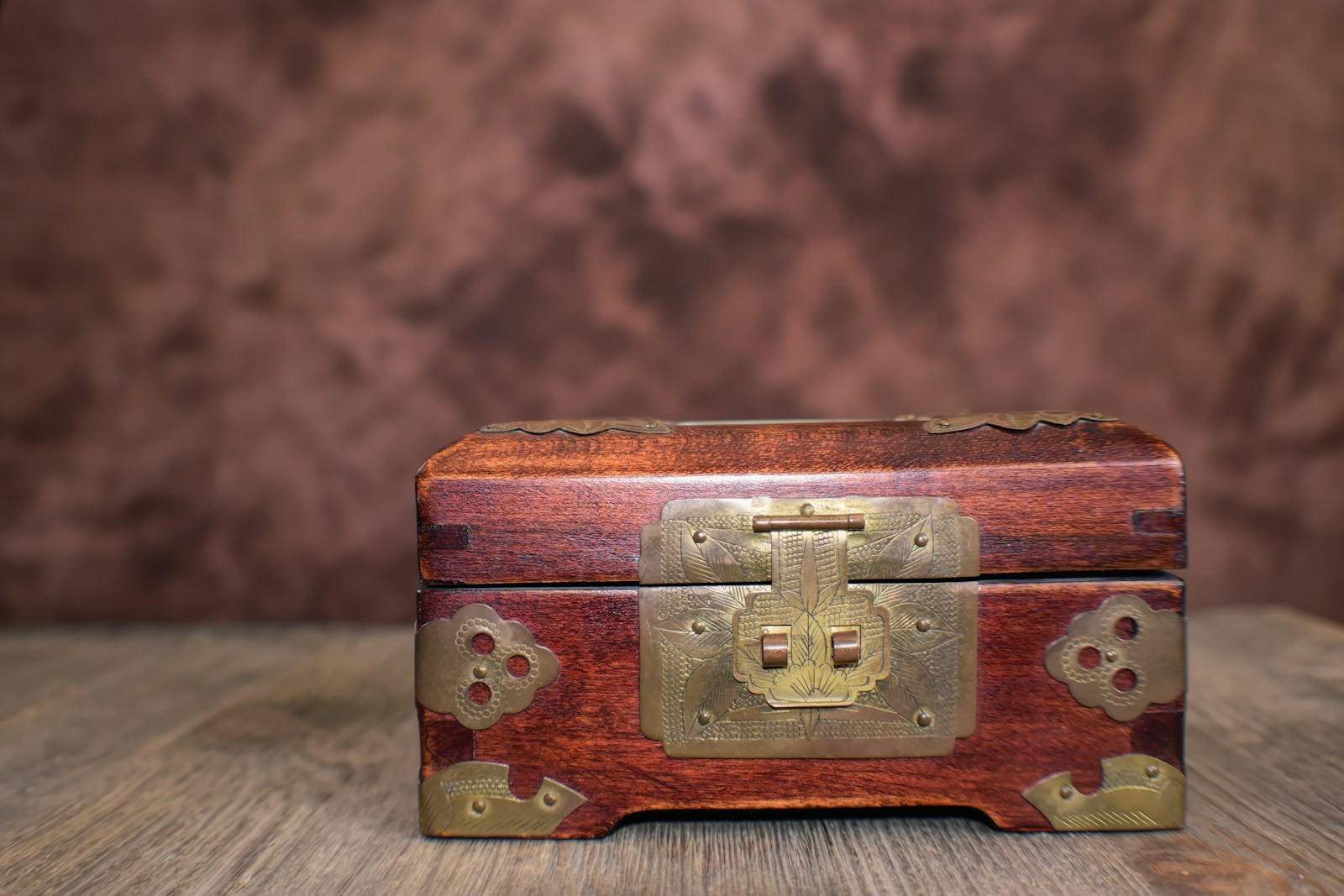
Estate sales promise a shortcut into someone else’s past, a chance to buy a life’s worth of objects in a single Saturday. The man who carried home a “still sealed” vintage box thought he had found exactly that, only to discover that the tape on the lid was less about preserving treasure and more about keeping a problem contained. His experience, echoed by other buyers who have opened mysterious boxes to find everything from hidden compartments to forgotten collections, shows how the thrill of the unknown can collide with the very practical reasons families sometimes leave things shut.
What looks like a time capsule can turn out to be a puzzle, a payday, or a headache. The sealed box at the center of this story sat untouched for decades, its contents carefully hidden behind a false bottom that only revealed itself after a closer look. As other recent finds show, from old cameras to boxes of dishes that were not dishes at all, the line between lucky discovery and cautionary tale is thinner than most weekend treasure hunters want to admit.
The Allure of the Sealed Box

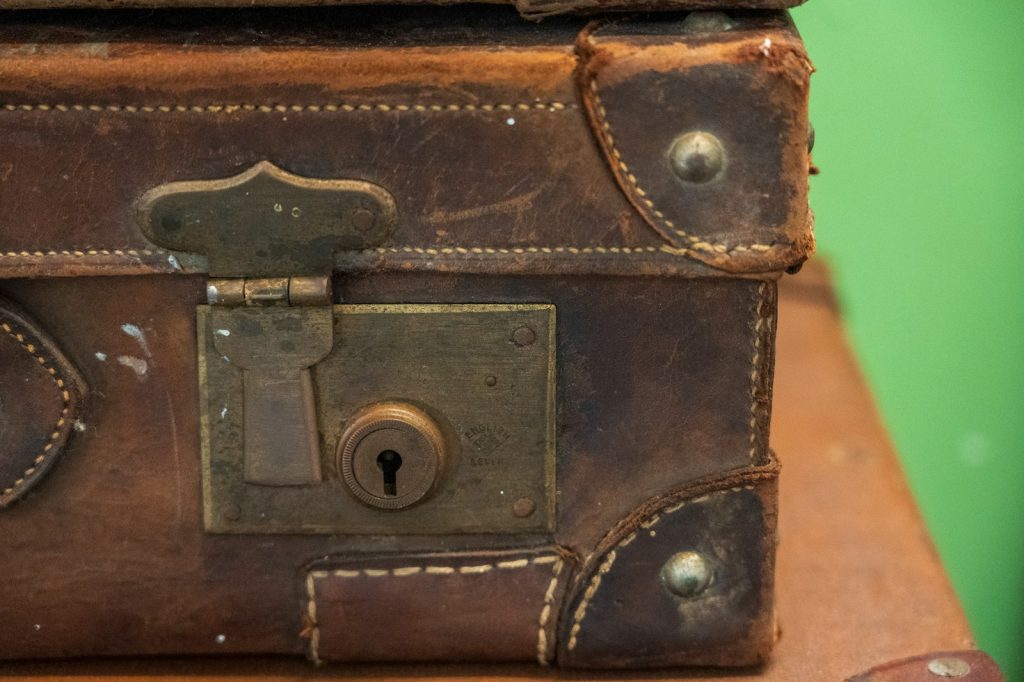
Collectors and casual bargain hunters are drawn to sealed boxes because they promise narrative as much as value. A layer of yellowed tape or a factory strap suggests that whatever is inside has not been picked over, that the buyer might be the first person in years to see what the original owner tucked away. In the case of the man at the estate sale, the box’s unbroken seal signaled authenticity and mystery, a combination that can override common sense about why something was never opened in the first place.
That psychology is reinforced by stories of unexpected windfalls, where ordinary people stumble into extraordinary finds. One buyer who paid $75 for baseball cards glued to a wooden chest later learned that the cards were likely worth thousands of dollars, a twist that turned a casual purchase into a serious asset and was documented by reporter Logan Hall, an Emmy award-winning journalist with WBZ. Stories like that help explain why a sealed box at an estate sale can feel less like a cardboard container and more like a lottery ticket waiting to be scratched.
Inside the Estate Sale Where It Started
The estate sale that produced the problematic box followed a familiar script. Tables were lined with dishes, framed photos, costume jewelry, and the usual mix of furniture and tools, each tagged with a fluorescent sticker. Toward the back of a linen closet, the buyer spotted a medium-sized box that looked untouched since the 1970s, its corners softened by time but its tape still intact. The price was low enough to feel like a harmless gamble, and the promise of “unopened” contents sealed the decision.
Only later did the buyer realize that the box’s condition raised as many questions as it answered. Another shopper described a similar moment in a social media group, explaining that she purchased a box at an estate sale, took it home, and, after a closer evaluation, realized there was a gap between the inside bottom and the outer shell. Her description of how she “Got it home and upon closer evaluation realized there was a gap between the inside bottom” shows how a simple box can turn into a small investigation, a process she detailed in a post that ended with the understated line that “the mystery was solved” and that is preserved in a Facebook group.
The Hidden Compartment No One Expected
Back at home, the man who bought the sealed vintage box noticed something that had not been obvious in the crowded house. The interior base did not sit flush with the sides, and when he tapped it, the sound was duller than the rest of the wood. That small inconsistency suggested a second layer, the kind of false bottom often used to hide valuables or sensitive documents. What had looked like a simple storage container now appeared to be a piece of improvised security, and the buyer had to decide whether to pry it open or preserve it as found.
Other estate sale shoppers have described similar discoveries, including one person who bought what was advertised as a box of dishes from the 1970s, still sealed, only to find that there were no dishes at all. Once the tape was cut, the buyer discovered old love letters and a vintage stamp collection from South America and China, items that had been quietly preserved for decades and then sold off as kitchenware. That account, shared in a philately-focused group, asked whether there were collectors who would like the stamps and is captured in a post about a vintage stamp collection, underscoring how hidden compartments and mislabelled boxes can turn a routine purchase into a delicate ethical and financial decision.
Why Some Boxes Stay Sealed on Purpose
Families do not always leave boxes sealed because they forgot about them. Sometimes, the tape is a quiet boundary, a way to keep painful memories, sensitive paperwork, or awkward secrets out of sight. In the case of the estate sale box with the false bottom, the construction suggested intention rather than accident, as if someone had gone to the trouble of creating a space that would not be casually opened. That raises questions about whether the buyer is simply the new owner of an object or an uninvited guest in someone else’s private history.
Online communities that trade stories about estate finds often wrestle with that tension. The person who described the gap in the bottom of her box did not immediately rip it apart; she performed a methodical evaluation, checking the dimensions and gently probing the interior before deciding how to proceed, a process she recounted in the same post where she wrote that she had purchased the box at an estate sale and only later noticed the irregularity after she “Got it home.” Her account, preserved in the linen closet discussion, illustrates how buyers often sense that a sealed container might be sealed for reasons that go beyond dust and disuse.
When Mystery Turns Into Windfall
Despite the ethical gray areas, the possibility of a financial windfall keeps many buyers prying open lids. The modern resale economy is full of stories where a modest outlay turns into a life-changing sum, and those narratives shape how people approach every sealed box and storage unit. In one widely shared example, an unidentified buyer at a California storage auction paid exactly $500 for a unit and later discovered contents valuable enough to walk away a millionaire, a transformation that was framed with the line “Imagine if this happened to you” in a post that highlighted how a single bid can alter a bank balance.
That California story, circulated by Project Nightfall, sits alongside smaller but still striking examples, like the $75 wooden chest covered in baseball cards that turned out to hold items likely worth thousands. In that case, the buyer initially saw the cards as decoration, only later learning that the images of players like Cy Young were far more than wall art. Logan Hall, who holds an Emmy and works for WBZ, documented how the chest’s apparent kitsch concealed serious value, reinforcing the idea that the next sealed box could be the one that pays off.
When Mystery Turns Into Responsibility
Not every surprise inside a sealed box can be converted into cash. Sometimes, the contents impose obligations that the buyer never anticipated, from sensitive personal documents to images that raise privacy concerns. A man named Noah Simmons experienced a version of that dilemma when he bought a 1950s camera at an estate sale and discovered something unexpected inside the box. The camera itself was a period piece, but tucked into the packaging was a pamphlet that appeared to have been placed there for safekeeping, a reminder that people often use camera boxes and similar containers as informal vaults.
Simmons, who shared his find on TikTok under the handle @noahbsimmons, later explained that “He must have tucked the pamphlet into the camera box for safe keeping,” a line that captured his sense that he was handling something that had once mattered deeply to its owner. His story, detailed in coverage of the 1950s camera, shows how estate sale buyers can suddenly find themselves curating fragments of other people’s lives, with no clear rulebook for what to keep, what to return, and what to discard.
How Online Communities Solve Estate Sale Mysteries
Faced with ambiguous finds, many buyers turn to online groups for help. Social media communities dedicated to estate sales, vintage collectibles, and even specific niches like philately have become informal research labs where strangers crowdsource answers. When the buyer with the linen closet box noticed the gap in the bottom, she did not call an appraiser first; she posted photos and a description to a group, inviting thousands of eyes to weigh in on what the construction might mean and how to open it without damage.
Those same networks help people identify and rehome unexpected discoveries. The person who opened the “sealed” box of dishes and instead found old love letters and a stamp collection from South America and China used a philately group to ask whether there were collectors who would appreciate the material, a question preserved in the post about the South America and stamps. In that sense, the internet has become an extension of the estate sale itself, a place where the contents of sealed boxes can be interpreted, valued, and sometimes redistributed with more care than they received at the checkout table.
The Rise of “Curiosit” and the Entertainment of Risk
Beyond private groups, entire channels are now devoted to the spectacle of opening mystery boxes and storage units. Viewers tune in not just for the potential payoff but for the suspense of watching someone cut through tape and peel back cardboard, knowing that the result could be anything from moldy linens to rare collectibles. One creator who leans into that dynamic uses the name Curiosit, describing the process as “having fun and even though sometimes I get over my head we try and make things a little better along the way,” a candid acknowledgment that the thrill of the hunt can sometimes outpace expertise.
In a video titled “Estate Sale Box Of Collectibles! What did I get today?!?” Curiosit films the unboxing of a haul that includes figurines, paper ephemera, and other small items, turning what might have been a solitary afternoon of sorting into a shared experience for thousands of viewers. The clip, available on YouTube, captures the blend of optimism and anxiety that defines much of the estate sale subculture. Every sealed box is content, every surprise a potential storyline, and the risk of disappointment becomes part of the entertainment rather than a deterrent.
Lessons From a Box That Was Sealed for a Reason
The man who bought the “unopened” vintage box ultimately learned that the seal was not a promise of untouched treasure but a warning that the contents were complicated. Whether the hidden compartment held sensitive papers, personal mementos, or simply items the family did not want to sort, the construction suggested that someone had intended to keep prying eyes away. His experience, mirrored in the stories of Noah Simmons with his 1950s camera and the buyers who found stamps and letters instead of dishes, underscores how estate sale finds often blur the line between bargain hunting and accidental intrusion.
For would-be treasure seekers, the lesson is not to avoid sealed boxes altogether but to approach them with a mix of curiosity, respect, and realism. The same culture that celebrates the California buyer who paid $500 and walked away a millionaire, or the person whose $75 chest of baseball cards turned out to be worth thousands, can sometimes gloss over the emotional and ethical weight of what is left behind. As more people share their discoveries in online groups, from the linen closet box that required careful evaluation to the stamp collection that needed a new home, a more nuanced picture is emerging: some boxes are sealed to protect value, others to protect memories, and it is up to the new owner to decide which matters more once the tape is cut.
More from Decluttering Mom: